
Arm Unveils AGI Optimized CPU for AI Cloud

Arm announced its new AGI CPU as a foundational design tailored for “agentic AI” workloads systems capable of autonomous reasoning, planning, and execution.

March 30, 2026
|

A major development in AI infrastructure emerged as Arm Holdings introduced its AGI-focused CPU architecture, signaling a strategic shift toward “agentic AI” computing. The move aims to power next-generation autonomous AI systems, with significant implications for cloud providers, enterprise computing, and the global semiconductor race.

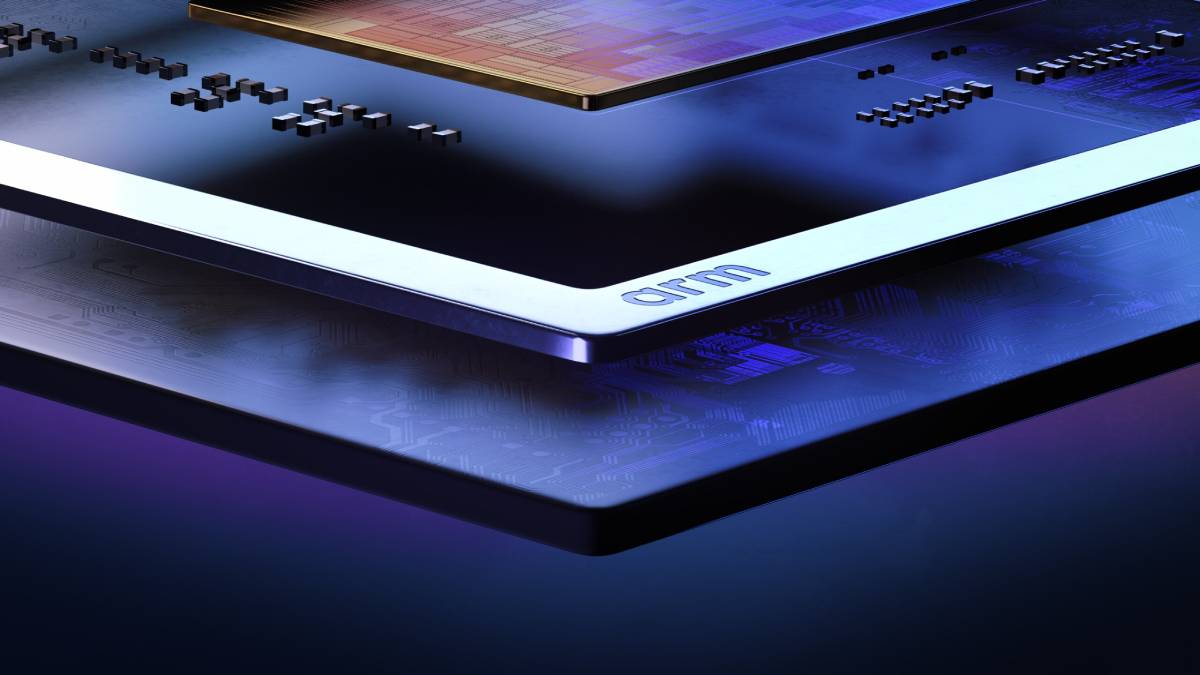
Arm announced its new AGI CPU as a foundational design tailored for “agentic AI” workloads systems capable of autonomous reasoning, planning, and execution. The architecture is optimized for high-efficiency, scalable cloud environments where AI agents operate continuously.

The company emphasized improved performance-per-watt, a critical metric for hyperscalers managing energy-intensive AI workloads. The rollout aligns with increasing demand from cloud providers and enterprise clients seeking infrastructure capable of supporting advanced AI models beyond traditional generative systems.

Arm’s roadmap positions this CPU as central to future data center deployments, particularly as AI transitions from passive tools to active, decision-making agents embedded across industries.

The announcement reflects a broader shift in the AI landscape from generative AI models like chatbots to fully autonomous “agentic AI” systems. These systems can independently perform tasks, interact with digital environments, and execute multi-step workflows without constant human input.

This evolution is driving unprecedented demand for specialized hardware. Traditional CPUs and GPUs, while powerful, are increasingly being re-engineered or supplemented to meet the needs of persistent, always-on AI agents. Companies across the semiconductor ecosystem are racing to define this next phase, where efficiency, scalability, and real-time processing become critical.

Arm has long played a central role in global computing, with its energy-efficient architectures powering billions of devices. Its expansion into AI-optimized cloud CPUs places it in direct competition and collaboration with major players in the AI infrastructure stack, as nations and corporations invest heavily in AI sovereignty and data center expansion.

Industry analysts view Arm’s AGI CPU as a strategic pivot that aligns with the future direction of AI computing. Experts suggest that as AI agents become more autonomous, infrastructure must evolve to support continuous inference, decision-making, and orchestration at scale.

Arm executives highlighted that the new CPU is designed not just for performance, but for sustained, energy-efficient AI operations an increasingly important factor as data center power consumption becomes a global concern.

Market observers note that this move strengthens Arm’s position in the cloud ecosystem, particularly as hyperscalers seek alternatives to traditional architectures. Analysts also point out that the success of such chips will depend on software ecosystem support and integration with AI frameworks. Overall, the announcement is seen as a forward-looking bet on the convergence of AI, cloud computing, and edge intelligence.

For global businesses, the shift toward AGI-ready infrastructure could redefine IT investment strategies. Enterprises may need to upgrade systems to support autonomous AI workflows, particularly in sectors like finance, logistics, and healthcare.

Cloud providers stand to benefit from more efficient compute solutions, potentially lowering operational costs while enabling new AI-driven services. For investors, the move signals continued growth in semiconductor innovation tied directly to AI expansion.

From a policy perspective, governments may intensify focus on semiconductor independence and AI infrastructure resilience. Energy efficiency highlighted by Arm could also become a regulatory priority as AI-driven data center demand surges globally.

Looking ahead, the success of Arm’s AGI CPU will depend on adoption by hyperscalers and integration into AI software ecosystems. As agentic AI matures, competition in specialized chips is expected to intensify.

Decision-makers should monitor partnerships, deployment timelines, and real-world performance benchmarks. The race to define the infrastructure of autonomous AI has begun and its outcome will shape the next decade of global computing.

Source: Arm Newsroom
Date: March 2026

  • Featured tools
Twistly AI
Paid

Twistly AI is a PowerPoint add-in that allows users to generate full slide decks, improve existing presentations, and convert various content types into polished slides directly within Microsoft PowerPoint.It streamlines presentation creation using AI-powered text analysis, image generation and content conversion.

#
Presentation
Learn more
Surfer AI
Free

Surfer AI is an AI-powered content creation assistant built into the Surfer SEO platform, designed to generate SEO-optimized articles from prompts, leveraging data from search results to inform tone, structure, and relevance.

#
SEO
Learn more

Learn more about future of AI

Join 80,000+ Ai enthusiast getting weekly updates on exciting AI tools.
Thank you! Your submission has been received!
Oops! Something went wrong while submitting the form.

Arm Unveils AGI Optimized CPU for AI Cloud

March 30, 2026

Arm announced its new AGI CPU as a foundational design tailored for “agentic AI” workloads systems capable of autonomous reasoning, planning, and execution.

A major development in AI infrastructure emerged as Arm Holdings introduced its AGI-focused CPU architecture, signaling a strategic shift toward “agentic AI” computing. The move aims to power next-generation autonomous AI systems, with significant implications for cloud providers, enterprise computing, and the global semiconductor race.

Arm announced its new AGI CPU as a foundational design tailored for “agentic AI” workloads systems capable of autonomous reasoning, planning, and execution. The architecture is optimized for high-efficiency, scalable cloud environments where AI agents operate continuously.

The company emphasized improved performance-per-watt, a critical metric for hyperscalers managing energy-intensive AI workloads. The rollout aligns with increasing demand from cloud providers and enterprise clients seeking infrastructure capable of supporting advanced AI models beyond traditional generative systems.

Arm’s roadmap positions this CPU as central to future data center deployments, particularly as AI transitions from passive tools to active, decision-making agents embedded across industries.

The announcement reflects a broader shift in the AI landscape from generative AI models like chatbots to fully autonomous “agentic AI” systems. These systems can independently perform tasks, interact with digital environments, and execute multi-step workflows without constant human input.

This evolution is driving unprecedented demand for specialized hardware. Traditional CPUs and GPUs, while powerful, are increasingly being re-engineered or supplemented to meet the needs of persistent, always-on AI agents. Companies across the semiconductor ecosystem are racing to define this next phase, where efficiency, scalability, and real-time processing become critical.

Arm has long played a central role in global computing, with its energy-efficient architectures powering billions of devices. Its expansion into AI-optimized cloud CPUs places it in direct competition and collaboration with major players in the AI infrastructure stack, as nations and corporations invest heavily in AI sovereignty and data center expansion.

Industry analysts view Arm’s AGI CPU as a strategic pivot that aligns with the future direction of AI computing. Experts suggest that as AI agents become more autonomous, infrastructure must evolve to support continuous inference, decision-making, and orchestration at scale.

Arm executives highlighted that the new CPU is designed not just for performance, but for sustained, energy-efficient AI operations an increasingly important factor as data center power consumption becomes a global concern.

Market observers note that this move strengthens Arm’s position in the cloud ecosystem, particularly as hyperscalers seek alternatives to traditional architectures. Analysts also point out that the success of such chips will depend on software ecosystem support and integration with AI frameworks. Overall, the announcement is seen as a forward-looking bet on the convergence of AI, cloud computing, and edge intelligence.

For global businesses, the shift toward AGI-ready infrastructure could redefine IT investment strategies. Enterprises may need to upgrade systems to support autonomous AI workflows, particularly in sectors like finance, logistics, and healthcare.

Cloud providers stand to benefit from more efficient compute solutions, potentially lowering operational costs while enabling new AI-driven services. For investors, the move signals continued growth in semiconductor innovation tied directly to AI expansion.

From a policy perspective, governments may intensify focus on semiconductor independence and AI infrastructure resilience. Energy efficiency highlighted by Arm could also become a regulatory priority as AI-driven data center demand surges globally.

Looking ahead, the success of Arm’s AGI CPU will depend on adoption by hyperscalers and integration into AI software ecosystems. As agentic AI matures, competition in specialized chips is expected to intensify.

Decision-makers should monitor partnerships, deployment timelines, and real-world performance benchmarks. The race to define the infrastructure of autonomous AI has begun and its outcome will shape the next decade of global computing.

Source: Arm Newsroom
Date: March 2026

Promote Your Tool

Copy Embed Code

Similar Blogs

March 30, 2026
|

Meta Court Setbacks Signal Stricter AI Scrutiny

Meta faced multiple legal losses related to its AI initiatives, particularly around training data usage, algorithmic transparency, and consumer protection obligations. Courts questioned the company’s safeguards, emphasizing risks of bias, privacy violations, and misinformation.
Read more
March 30, 2026
|

Anthropic Pushes Back Against Pentagon Pressure

Anthropic, a leading AI firm, resisted Pentagon pressure to weaken or remove safeguards designed to prevent misuse of its AI systems. The confrontation escalated after Hegseth urged faster deployment of AI capabilities without certain safety constraints.
Read more
March 30, 2026
|

Digital Twin Meets AI in Mining Transformation

MineScape 2026 introduces enhanced capabilities combining AI-powered analytics with digital twin simulations to optimize mine planning and operations.
Read more
March 30, 2026
|

AI Moves Beyond Earth With Space Data Centers

Nvidia has introduced a concept for deploying AI data center hardware in space, leveraging satellite platforms and orbital infrastructure to process data closer to its source. The initiative aligns with rising demand for real-time analytics from Earth observation, telecommunications, and defense sectors.
Read more
March 30, 2026
|

AI Becomes Frontline Defense Against Spam Calls

The development aligns with a broader trend across global markets where AI is being used both to enable and combat digital fraud. Spam calls have become a widespread issue, costing consumers and businesses billions annually.
Read more
March 30, 2026
|

Bluesky Unveils AI Driven Feed Customization

The integration of AI into feed customization represents a convergence of personalization and decentralization. Historically, social media has prioritized engagement metrics over user choice.
Read more