



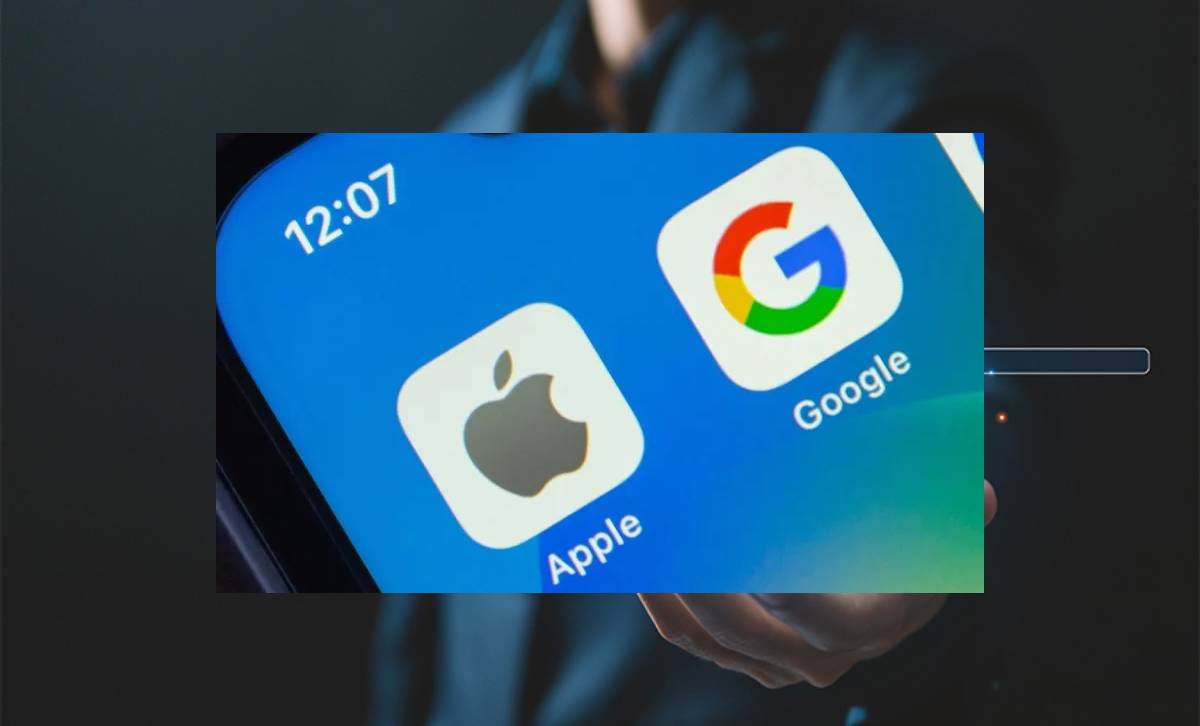
A strategic leadership move by Apple underscores its accelerating AI ambitions, as the company recruits a senior executive from Google to lead AI marketing. The hire signals a sharper focus on positioning AI products globally, with implications for competition, consumer adoption, and platform strategy.
- Apple has recruited a key executive from Google’s shopping division to oversee its AI marketing efforts.
- The move reflects Apple’s intent to strengthen go-to-market strategies for AI-driven products and services.
- The hire comes amid increasing competition in consumer AI, particularly across mobile ecosystems.
- Apple is aligning leadership talent with its broader push to integrate AI across hardware and services.
- The development highlights the growing importance of marketing and positioning in the AI race.
The development aligns with a broader trend across global markets where talent acquisition has become a critical lever in the AI race. As companies compete not only on technology but also on user adoption and ecosystem dominance, leadership expertise in scaling consumer platforms is increasingly valuable. Apple’s decision to recruit from Google reflects the competitive overlap between the two companies, particularly in areas such as search, commerce, and AI-driven services.
While Google has traditionally led in AI research and deployment, Apple has focused on integrating AI within its hardware ecosystem, emphasizing privacy and user experience. The hiring move suggests Apple is intensifying efforts to bridge the gap in AI visibility and adoption. Historically, strategic hires from competitors have played pivotal roles in shaping product direction and market positioning, especially in fast-evolving sectors like artificial intelligence.
Industry analysts view the recruitment as a signal of Apple’s growing emphasis on AI commercialization. “Technology alone is not enough how AI is positioned to users will determine its success,” noted a market strategist. Experts highlight that Apple’s ecosystem provides a strong foundation, but effective marketing will be key to unlocking its full potential. The executive’s background in e-commerce and consumer platforms could help Apple refine its AI value proposition.
However, some analysts caution that Apple must ensure its messaging aligns with its privacy-first brand identity. Industry observers also point to the increasing importance of cross-functional leadership, combining technical expertise with market strategy. The move reflects a broader shift in the AI industry, where differentiation is driven not just by innovation but by user engagement and trust.
For global executives, the development highlights the strategic importance of talent in driving AI adoption and market leadership. Businesses may need to invest in both technological capabilities and go-to-market expertise to remain competitive. Investors could interpret the move as a signal of Apple’s long-term commitment to AI-driven growth. Policymakers may also observe how talent mobility between major tech firms influences competition and innovation.
The hiring trend underscores the convergence of technology, marketing, and user experience in shaping AI ecosystems. Organizations must recognize that success in AI will depend not only on building capabilities but also on effectively communicating value to users.
Apple is expected to continue strengthening its AI leadership and marketing capabilities as competition intensifies. Decision-makers should monitor how the company positions its AI offerings and whether it can drive widespread adoption. The effectiveness of this strategy will depend on execution, differentiation, and user trust. As the AI race evolves, talent and storytelling will play a role in determining market leadership.
Source: PYMNTS
Date: March 2026


