
Apple Privacy First AI Strategy Strengthened

Reports indicate that Apple’s 2026 AI strategy will prioritize privacy-centric design, ensuring that user data remains tightly controlled and processed with minimal external exposure.

May 18, 2026
|
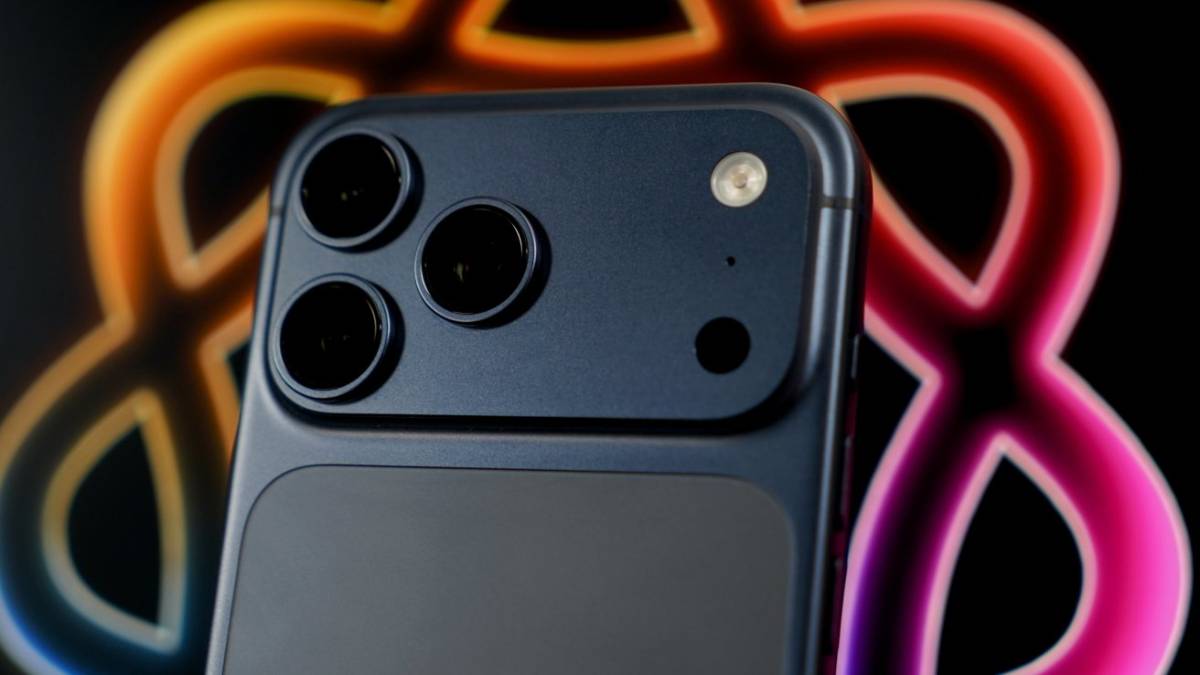
Image Source: AppleInsider Report

A strategic emphasis on privacy and data security is emerging as a defining feature of Apple Inc.’s artificial intelligence roadmap for 2026. The company’s continued focus on user data protection highlights a differentiated approach in the global AI race, with implications for consumer trust, platform competition, and regulatory alignment across digital ecosystems.

Reports indicate that Apple’s 2026 AI strategy will prioritize privacy-centric design, ensuring that user data remains tightly controlled and processed with minimal external exposure. The approach reinforces existing frameworks such as on-device processing and encrypted data flows across Apple’s ecosystem.

The company is expected to integrate AI capabilities more deeply into iOS, macOS, and its suite of services while maintaining strict data governance standards. Unlike competitors relying heavily on cloud-based AI models, Apple’s strategy continues to emphasize localized computation. This positions the company as a key outlier in the global AI landscape, where data scale and centralized model training dominate.

The renewed focus on privacy comes amid intensifying global competition in artificial intelligence, where firms are racing to scale large language models and integrate them into consumer ecosystems. However, this expansion has triggered growing regulatory scrutiny over how personal data is collected, stored, and processed.

Apple Inc. has historically differentiated itself through privacy-first branding, positioning user data protection as a core product feature rather than a compliance requirement. This approach contrasts with cloud-first AI strategies adopted by major technology competitors.

The broader industry is now at a crossroads: balancing AI performance improvements with increasing demands for data sovereignty, regulatory compliance, and consumer trust. In this environment, Apple’s strategy aligns with a growing geopolitical trend toward digital sovereignty, where governments are tightening controls over cross-border data flows and AI model training practices.

Industry analysts suggest that Apple’s privacy-centric AI model could strengthen its ecosystem lock-in while reducing regulatory exposure in key markets such as the EU and Asia. Experts argue that on-device AI processing may limit certain large-scale model capabilities but enhances user trust and security differentiation.

While Apple has not issued detailed public commentary specific to this report, its leadership has consistently emphasized privacy as a “fundamental human right” in prior communications. Technology strategists note that this positioning allows Apple to appeal to both consumers and regulators simultaneously.

Market observers also highlight that competitors relying on cloud-intensive AI architectures may face higher compliance burdens. Analysts further suggest that Apple’s approach could influence industry standards, especially if on-device AI proves capable of delivering comparable performance without compromising data security.

For global technology firms, Apple’s strategy reinforces the growing importance of privacy as a competitive differentiator in AI development. Businesses operating in the digital ecosystem may need to reassess how they balance personalization with data minimization requirements.

For regulators, Apple’s model offers a potential blueprint for privacy-compliant AI deployment, potentially influencing future policy frameworks around data localization and AI governance.

For consumers, the shift strengthens assurances around data protection while potentially limiting certain cloud-enabled AI functionalities. Analysts warn that the industry may bifurcate into privacy-first and performance-first AI ecosystems, forcing companies and users to choose between security and scale-driven capabilities.

Looking ahead, Apple’s AI rollout will be closely watched for its ability to balance performance with strict privacy constraints. The success of on-device AI models will determine whether this approach can scale globally without compromising functionality. Key uncertainties include regulatory alignment across jurisdictions and competitive pressure from cloud-native AI providers. The outcome could reshape how the next generation of consumer AI systems is designed and deployed.

Source: AppleInsider Report
Date: May 17, 2026

  • Featured tools
Neuron AI
Free

Neuron AI is an AI-driven content optimization platform that helps creators produce SEO-friendly content by combining semantic SEO, competitor analysis, and AI-assisted writing workflows.

#
SEO
Learn more
Copy Ai
Free

Copy AI is one of the most popular AI writing tools designed to help professionals create high-quality content quickly. Whether you are a product manager drafting feature descriptions or a marketer creating ad copy, Copy AI can save hours of work while maintaining creativity and tone.

#
Copywriting
Learn more

Learn more about future of AI

Join 80,000+ Ai enthusiast getting weekly updates on exciting AI tools.
Thank you! Your submission has been received!
Oops! Something went wrong while submitting the form.

Apple Privacy First AI Strategy Strengthened

May 18, 2026

Reports indicate that Apple’s 2026 AI strategy will prioritize privacy-centric design, ensuring that user data remains tightly controlled and processed with minimal external exposure.

Image Source: AppleInsider Report

A strategic emphasis on privacy and data security is emerging as a defining feature of Apple Inc.’s artificial intelligence roadmap for 2026. The company’s continued focus on user data protection highlights a differentiated approach in the global AI race, with implications for consumer trust, platform competition, and regulatory alignment across digital ecosystems.

Reports indicate that Apple’s 2026 AI strategy will prioritize privacy-centric design, ensuring that user data remains tightly controlled and processed with minimal external exposure. The approach reinforces existing frameworks such as on-device processing and encrypted data flows across Apple’s ecosystem.

The company is expected to integrate AI capabilities more deeply into iOS, macOS, and its suite of services while maintaining strict data governance standards. Unlike competitors relying heavily on cloud-based AI models, Apple’s strategy continues to emphasize localized computation. This positions the company as a key outlier in the global AI landscape, where data scale and centralized model training dominate.

The renewed focus on privacy comes amid intensifying global competition in artificial intelligence, where firms are racing to scale large language models and integrate them into consumer ecosystems. However, this expansion has triggered growing regulatory scrutiny over how personal data is collected, stored, and processed.

Apple Inc. has historically differentiated itself through privacy-first branding, positioning user data protection as a core product feature rather than a compliance requirement. This approach contrasts with cloud-first AI strategies adopted by major technology competitors.

The broader industry is now at a crossroads: balancing AI performance improvements with increasing demands for data sovereignty, regulatory compliance, and consumer trust. In this environment, Apple’s strategy aligns with a growing geopolitical trend toward digital sovereignty, where governments are tightening controls over cross-border data flows and AI model training practices.

Industry analysts suggest that Apple’s privacy-centric AI model could strengthen its ecosystem lock-in while reducing regulatory exposure in key markets such as the EU and Asia. Experts argue that on-device AI processing may limit certain large-scale model capabilities but enhances user trust and security differentiation.

While Apple has not issued detailed public commentary specific to this report, its leadership has consistently emphasized privacy as a “fundamental human right” in prior communications. Technology strategists note that this positioning allows Apple to appeal to both consumers and regulators simultaneously.

Market observers also highlight that competitors relying on cloud-intensive AI architectures may face higher compliance burdens. Analysts further suggest that Apple’s approach could influence industry standards, especially if on-device AI proves capable of delivering comparable performance without compromising data security.

For global technology firms, Apple’s strategy reinforces the growing importance of privacy as a competitive differentiator in AI development. Businesses operating in the digital ecosystem may need to reassess how they balance personalization with data minimization requirements.

For regulators, Apple’s model offers a potential blueprint for privacy-compliant AI deployment, potentially influencing future policy frameworks around data localization and AI governance.

For consumers, the shift strengthens assurances around data protection while potentially limiting certain cloud-enabled AI functionalities. Analysts warn that the industry may bifurcate into privacy-first and performance-first AI ecosystems, forcing companies and users to choose between security and scale-driven capabilities.

Looking ahead, Apple’s AI rollout will be closely watched for its ability to balance performance with strict privacy constraints. The success of on-device AI models will determine whether this approach can scale globally without compromising functionality. Key uncertainties include regulatory alignment across jurisdictions and competitive pressure from cloud-native AI providers. The outcome could reshape how the next generation of consumer AI systems is designed and deployed.

Source: AppleInsider Report
Date: May 17, 2026

Promote Your Tool

Copy Embed Code

Similar Blogs

May 18, 2026
|

AI Companion Robots Grow Elder Care Support

The ElliQ robot functions as an interactive companion designed to assist older adults with reminders, conversation, wellness prompts, and daily engagement activities.
Read more
May 18, 2026
|

Meta Advances Spatial Computing With Smart Glasses

The Ray-Ban Display glasses reportedly integrate virtual writing capabilities, allowing users to input text and interact with applications through spatial gestures and display overlays.
Read more
May 18, 2026
|

Dyson AI Air Mobility Era Purifier

The latest Dyson purifier integrates camera-based tracking technology to identify user location within a room and dynamically adjust airflow direction.
Read more
May 18, 2026
|

Apple Intelligence Upgrades Siri Chat Privacy

Reports suggest that Apple’s upcoming Siri upgrade will introduce auto-deleting conversations, allowing user interactions with the assistant to be automatically removed after a defined period.
Read more
May 18, 2026
|

AI Becomes Core Study Infrastructure Students

Students are increasingly leveraging AI tools for structured exam preparation, including summarization of study material, practice question generation, and concept clarification.
Read more
May 18, 2026
|

Google Accelerates Smart Glasses Push AR

Reports indicate that Google’s upcoming smart glasses initiative will focus on integrating advanced AI features, real-time contextual computing, and enhanced visual overlays for everyday use.
Read more