
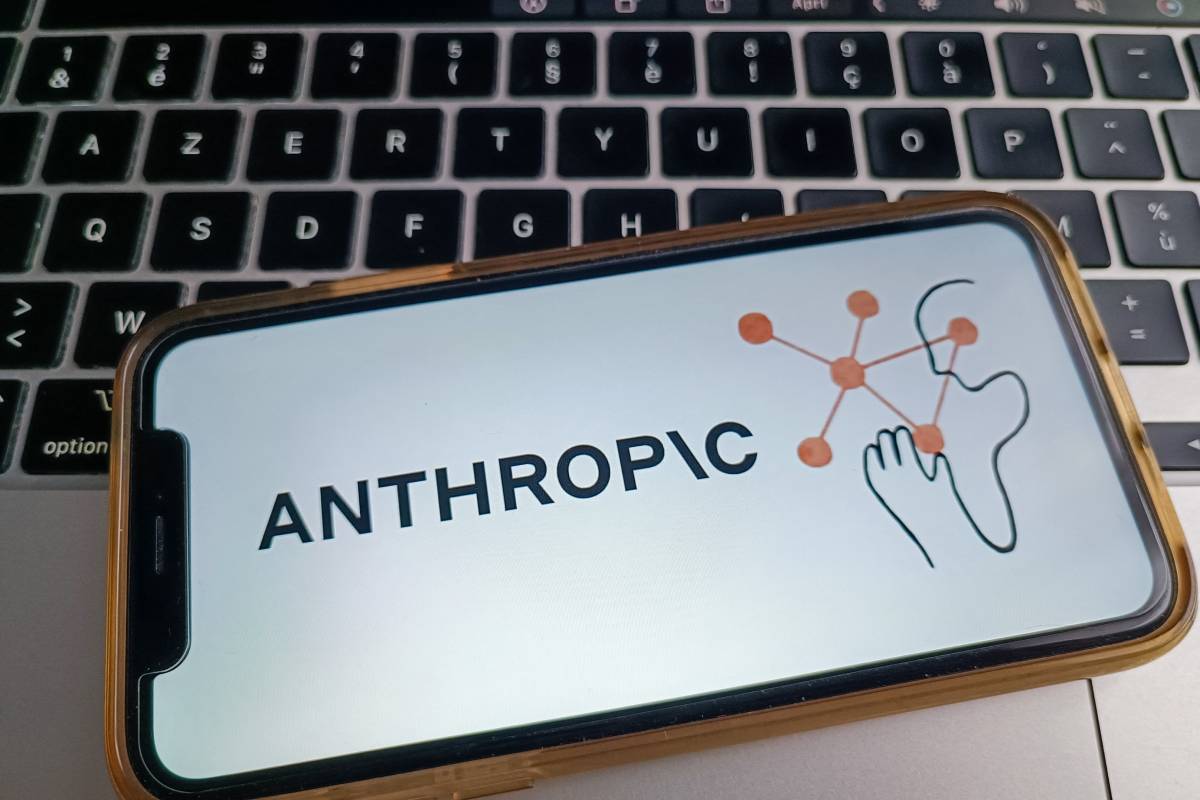
Anthropic Pushes Back in High-Stakes U.S. AI Dispute

Anthropic has initiated legal action against the U.S. Department of Defense following a dispute related to restrictions surrounding the use of its artificial intelligence systems.

March 10, 2026
|

A major legal confrontation has emerged in the global AI sector as Anthropic challenges actions taken by the U.S. Department of Defense. The dispute highlights growing tensions between AI developers and government agencies over the deployment, regulation, and strategic use of advanced artificial intelligence technologies.

Anthropic has initiated legal action against the U.S. Department of Defense following a dispute related to restrictions surrounding the use of its artificial intelligence systems. The company argues that the government’s actions could effectively blacklist its technology from certain federal programs, potentially limiting its ability to compete for defense-related AI contracts.

According to court filings and statements, Anthropic maintains that it was penalized for maintaining safety-oriented limitations on how its AI systems can be used. The case centers on whether government procurement policies can pressure AI companies to relax safety controls. Industry observers say the dispute could shape future relationships between technology firms and national security agencies.

The legal dispute emerges at a time when artificial intelligence has become a strategic priority for governments around the world. Companies such as Anthropic, OpenAI, Google, and Microsoft are developing increasingly powerful AI models with applications ranging from enterprise software to national security.

Government agencies including the U.S. Department of Defense have shown growing interest in integrating AI into military planning, intelligence analysis, and logistics. However, many AI developers have implemented restrictions to prevent their models from being used for harmful or controversial applications. These safeguards have occasionally created friction between technology companies and defense institutions seeking broader operational capabilities.

The outcome of the Anthropic case could influence how governments structure contracts with AI developers and how companies design safety frameworks for their technologies.

Legal analysts say the dispute could set an important precedent for the governance of artificial intelligence technologies. “This case raises fundamental questions about how governments interact with private AI developers,” said a technology policy expert following the litigation. Executives at Anthropic have emphasized that the company prioritizes responsible AI development and has implemented guardrails designed to prevent misuse.

Government officials have argued that national security agencies must retain flexibility when evaluating technologies for defense-related applications. Industry observers note that the conflict reflects a broader debate over how AI safety standards should intersect with geopolitical and security priorities. As governments increase their reliance on advanced AI systems, tensions between commercial innovation and national security objectives may become more common.

For businesses, the case highlights the growing complexity of operating in the global AI market, where companies must balance commercial opportunities with ethical guidelines and government expectations. AI developers working with government clients may face increasing scrutiny regarding how their systems can be used.

Investors are also monitoring the dispute closely, as regulatory uncertainty can influence the long-term valuation of AI companies. From a policy perspective, the case could influence future rules governing government procurement of AI technologies. Lawmakers and regulators may need to clarify how safety restrictions imposed by AI developers interact with national security requirements.

Looking ahead, the legal battle between Anthropic and the U.S. Department of Defense could shape the evolving regulatory landscape surrounding artificial intelligence. Executives, policymakers, and investors will closely watch the case as it unfolds. The outcome may influence how AI companies structure safety policies and how governments engage with private technology providers in strategic sectors.

Source: Reuters
Date: March 9, 2026

  • Featured tools
Outplay AI
Free

Outplay AI is a dynamic sales engagement platform combining AI-powered outreach, multi-channel automation, and performance tracking to help teams optimize conversion and pipeline generation.

#
Sales
Learn more
Alli AI
Free

Alli AI is an all-in-one, AI-powered SEO automation platform that streamlines on-page optimization, site auditing, speed improvements, schema generation, internal linking, and ranking insights.

#
SEO
Learn more

Learn more about future of AI

Join 80,000+ Ai enthusiast getting weekly updates on exciting AI tools.
Thank you! Your submission has been received!
Oops! Something went wrong while submitting the form.

Anthropic Pushes Back in High-Stakes U.S. AI Dispute

March 10, 2026

Anthropic has initiated legal action against the U.S. Department of Defense following a dispute related to restrictions surrounding the use of its artificial intelligence systems.

A major legal confrontation has emerged in the global AI sector as Anthropic challenges actions taken by the U.S. Department of Defense. The dispute highlights growing tensions between AI developers and government agencies over the deployment, regulation, and strategic use of advanced artificial intelligence technologies.

Anthropic has initiated legal action against the U.S. Department of Defense following a dispute related to restrictions surrounding the use of its artificial intelligence systems. The company argues that the government’s actions could effectively blacklist its technology from certain federal programs, potentially limiting its ability to compete for defense-related AI contracts.

According to court filings and statements, Anthropic maintains that it was penalized for maintaining safety-oriented limitations on how its AI systems can be used. The case centers on whether government procurement policies can pressure AI companies to relax safety controls. Industry observers say the dispute could shape future relationships between technology firms and national security agencies.

The legal dispute emerges at a time when artificial intelligence has become a strategic priority for governments around the world. Companies such as Anthropic, OpenAI, Google, and Microsoft are developing increasingly powerful AI models with applications ranging from enterprise software to national security.

Government agencies including the U.S. Department of Defense have shown growing interest in integrating AI into military planning, intelligence analysis, and logistics. However, many AI developers have implemented restrictions to prevent their models from being used for harmful or controversial applications. These safeguards have occasionally created friction between technology companies and defense institutions seeking broader operational capabilities.

The outcome of the Anthropic case could influence how governments structure contracts with AI developers and how companies design safety frameworks for their technologies.

Legal analysts say the dispute could set an important precedent for the governance of artificial intelligence technologies. “This case raises fundamental questions about how governments interact with private AI developers,” said a technology policy expert following the litigation. Executives at Anthropic have emphasized that the company prioritizes responsible AI development and has implemented guardrails designed to prevent misuse.

Government officials have argued that national security agencies must retain flexibility when evaluating technologies for defense-related applications. Industry observers note that the conflict reflects a broader debate over how AI safety standards should intersect with geopolitical and security priorities. As governments increase their reliance on advanced AI systems, tensions between commercial innovation and national security objectives may become more common.

For businesses, the case highlights the growing complexity of operating in the global AI market, where companies must balance commercial opportunities with ethical guidelines and government expectations. AI developers working with government clients may face increasing scrutiny regarding how their systems can be used.

Investors are also monitoring the dispute closely, as regulatory uncertainty can influence the long-term valuation of AI companies. From a policy perspective, the case could influence future rules governing government procurement of AI technologies. Lawmakers and regulators may need to clarify how safety restrictions imposed by AI developers interact with national security requirements.

Looking ahead, the legal battle between Anthropic and the U.S. Department of Defense could shape the evolving regulatory landscape surrounding artificial intelligence. Executives, policymakers, and investors will closely watch the case as it unfolds. The outcome may influence how AI companies structure safety policies and how governments engage with private technology providers in strategic sectors.

Source: Reuters
Date: March 9, 2026

Promote Your Tool

Copy Embed Code

Similar Blogs

March 10, 2026
|

Canva Outpaces Leading AI Chatbots in Usage Rankings

A recent ranking of consumer AI web applications released by venture capital firm Andreessen Horowitz placed Canva ahead of several well-known AI platforms, including Claude, Grok, and DeepSeek.
Read more
March 10, 2026
|

Tempus AI Shares Drop on Healthcare AI Outlook

Tempus AI Inc saw its stock price fall by approximately 3.2% during the March 9 trading session, highlighting short-term market pressure on the AI-powered healthcare company.
Read more
March 10, 2026
|

AI Reshapes SEO as Search Visibility Shifts

AI-powered search systems are rapidly altering the landscape for SEO tools and digital marketing strategies.
Read more
March 10, 2026
|

UiPath Gains AIUC-1 Certification Elevating AI Agent Security

UiPath revealed that it has successfully obtained AIUC-1 certification, a compliance standard designed to validate the security, transparency, and operational reliability of AI-powered agents.
Read more
March 10, 2026
|

Two AI-Driven Stocks Positioned for Strong Market Gains in 2026

Investment analysts have identified two technology companies with significant growth potential tied to the artificial intelligence sector. The growing investor interest in AI-linked stocks reflects a broader transformation taking place across global technology markets.
Read more
March 10, 2026
|

Minnesota Lawmakers Push Stricter AI Rules for Children

Minnesota legislators have introduced proposals that would impose stricter oversight on how artificial intelligence systems interact with minors and handle personal data.
Read more