
Anthropic Fights Pentagon Blacklisting Amid U.S. AI Policy Clash

Anthropic has initiated legal action against the U.S. Department of Defense after the agency reportedly moved to blacklist the AI developer over concerns related to restrictions on military AI usage.

March 10, 2026
|

A major legal confrontation is unfolding in the artificial intelligence sector as Anthropic filed a lawsuit seeking to block blacklisting by the U.S. Department of Defense. The dispute centers on restrictions surrounding military AI applications, raising broader questions about government oversight, corporate autonomy, and the future of defense-related AI partnerships.

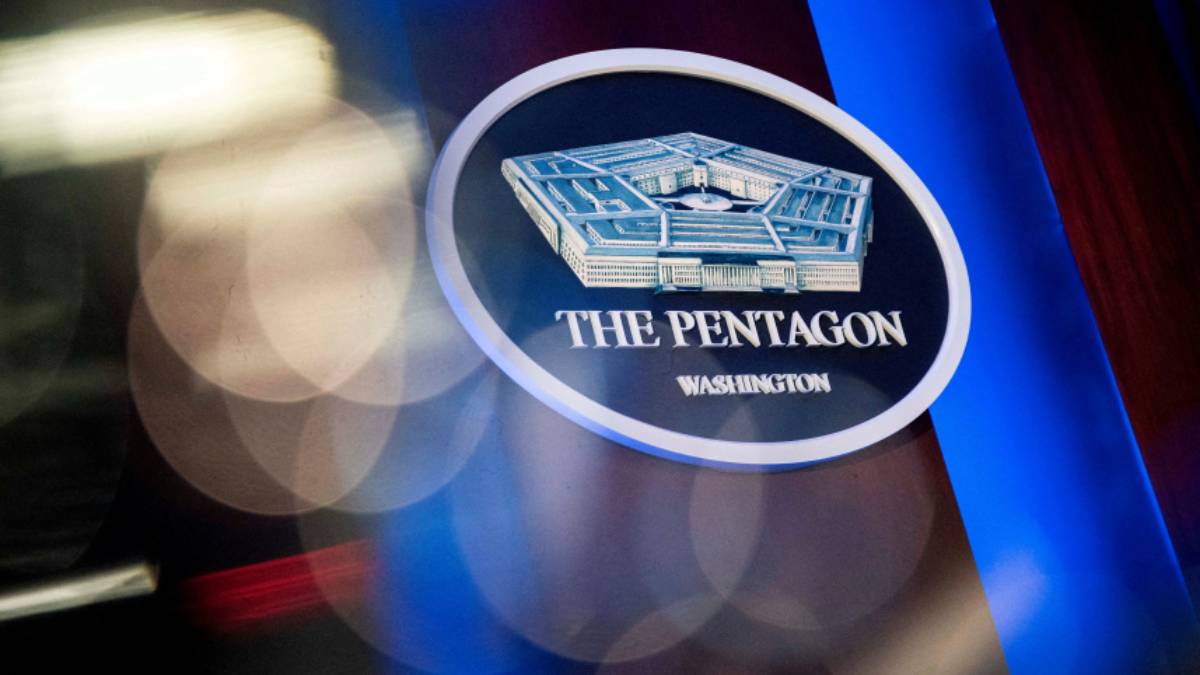
Anthropic has initiated legal action against the U.S. Department of Defense after the agency reportedly moved to blacklist the AI developer over concerns related to restrictions on military AI usage. The Pentagon classified the company as a potential “supply chain risk,” a designation that could block Anthropic from participating in defense contracts and collaborations.

Anthropic argues the move is unjustified and could harm competition in the rapidly evolving AI sector. The lawsuit seeks an injunction preventing the blacklisting from taking effect, while negotiations between the company and federal authorities continue. Analysts note the case could shape future policies governing AI providers involved in sensitive national security applications.

The dispute reflects mounting tensions between technology firms and governments over the role of artificial intelligence in military operations. As AI becomes a strategic national security asset, governments are increasingly scrutinizing private-sector providers whose technologies may influence defense capabilities.

Anthropic has emerged as one of the leading developers of advanced AI models, competing with major players in the generative AI ecosystem. The company has positioned itself as a proponent of strong safety guardrails and ethical guidelines governing AI deployment.

However, defense agencies have been eager to incorporate AI tools into intelligence analysis, cybersecurity operations, logistics optimization, and autonomous systems. Similar disputes have surfaced across the technology sector in recent years, as companies balance commercial growth with ethical commitments regarding military use of their technology. The current case highlights the growing complexity of aligning national security objectives with corporate governance and AI safety policies.

Industry analysts say the legal challenge underscores the broader struggle to define acceptable boundaries for military AI collaboration. “Artificial intelligence has become a strategic capability comparable to nuclear or cyber technologies,” noted a technology policy expert. “Governments want access, while companies seek to maintain ethical control over how their systems are used.”

Representatives from Anthropic argue that their safeguards are designed to prevent misuse of AI systems while still enabling responsible partnerships with public institutions. Defense officials, meanwhile, emphasize that supply chain security and operational reliability are essential when integrating private-sector technologies into national defense frameworks.

Market observers note that the outcome of the dispute could influence how governments evaluate AI vendors, potentially establishing precedent for procurement rules and technology oversight in the defense sector.

For technology companies, the case highlights growing regulatory and geopolitical risks associated with government AI partnerships. Firms developing advanced AI systems may face increased scrutiny over safety protocols, data governance, and national security considerations.

Investors are also closely monitoring the dispute, as restrictions on government contracts could influence revenue prospects and valuations for AI developers. From a policy standpoint, the lawsuit could accelerate efforts to define formal regulatory frameworks governing military AI collaborations.

Executives across the technology sector may need to reassess risk management strategies, ensuring alignment between corporate ethics policies and government expectations regarding defense technology partnerships.

The legal battle between Anthropic and the U.S. Department of Defense is likely to become a defining case in the governance of military AI. Courts and policymakers will determine whether government agencies can restrict AI vendors based on usage policies.

Executives, investors, and regulators worldwide will be watching closely, as the ruling could shape the future framework for AI procurement, oversight, and defense-sector innovation.

Source: Reuters
Date: March 9, 2026

  • Featured tools
Wonder AI
Free

Wonder AI is a versatile AI-powered creative platform that generates text, images, and audio with minimal input, designed for fast storytelling, visual creation, and audio content generation

#
Art Generator
Learn more
Neuron AI
Free

Neuron AI is an AI-driven content optimization platform that helps creators produce SEO-friendly content by combining semantic SEO, competitor analysis, and AI-assisted writing workflows.

#
SEO
Learn more

Learn more about future of AI

Join 80,000+ Ai enthusiast getting weekly updates on exciting AI tools.
Thank you! Your submission has been received!
Oops! Something went wrong while submitting the form.

Anthropic Fights Pentagon Blacklisting Amid U.S. AI Policy Clash

March 10, 2026

Anthropic has initiated legal action against the U.S. Department of Defense after the agency reportedly moved to blacklist the AI developer over concerns related to restrictions on military AI usage.

A major legal confrontation is unfolding in the artificial intelligence sector as Anthropic filed a lawsuit seeking to block blacklisting by the U.S. Department of Defense. The dispute centers on restrictions surrounding military AI applications, raising broader questions about government oversight, corporate autonomy, and the future of defense-related AI partnerships.

Anthropic has initiated legal action against the U.S. Department of Defense after the agency reportedly moved to blacklist the AI developer over concerns related to restrictions on military AI usage. The Pentagon classified the company as a potential “supply chain risk,” a designation that could block Anthropic from participating in defense contracts and collaborations.

Anthropic argues the move is unjustified and could harm competition in the rapidly evolving AI sector. The lawsuit seeks an injunction preventing the blacklisting from taking effect, while negotiations between the company and federal authorities continue. Analysts note the case could shape future policies governing AI providers involved in sensitive national security applications.

The dispute reflects mounting tensions between technology firms and governments over the role of artificial intelligence in military operations. As AI becomes a strategic national security asset, governments are increasingly scrutinizing private-sector providers whose technologies may influence defense capabilities.

Anthropic has emerged as one of the leading developers of advanced AI models, competing with major players in the generative AI ecosystem. The company has positioned itself as a proponent of strong safety guardrails and ethical guidelines governing AI deployment.

However, defense agencies have been eager to incorporate AI tools into intelligence analysis, cybersecurity operations, logistics optimization, and autonomous systems. Similar disputes have surfaced across the technology sector in recent years, as companies balance commercial growth with ethical commitments regarding military use of their technology. The current case highlights the growing complexity of aligning national security objectives with corporate governance and AI safety policies.

Industry analysts say the legal challenge underscores the broader struggle to define acceptable boundaries for military AI collaboration. “Artificial intelligence has become a strategic capability comparable to nuclear or cyber technologies,” noted a technology policy expert. “Governments want access, while companies seek to maintain ethical control over how their systems are used.”

Representatives from Anthropic argue that their safeguards are designed to prevent misuse of AI systems while still enabling responsible partnerships with public institutions. Defense officials, meanwhile, emphasize that supply chain security and operational reliability are essential when integrating private-sector technologies into national defense frameworks.

Market observers note that the outcome of the dispute could influence how governments evaluate AI vendors, potentially establishing precedent for procurement rules and technology oversight in the defense sector.

For technology companies, the case highlights growing regulatory and geopolitical risks associated with government AI partnerships. Firms developing advanced AI systems may face increased scrutiny over safety protocols, data governance, and national security considerations.

Investors are also closely monitoring the dispute, as restrictions on government contracts could influence revenue prospects and valuations for AI developers. From a policy standpoint, the lawsuit could accelerate efforts to define formal regulatory frameworks governing military AI collaborations.

Executives across the technology sector may need to reassess risk management strategies, ensuring alignment between corporate ethics policies and government expectations regarding defense technology partnerships.

The legal battle between Anthropic and the U.S. Department of Defense is likely to become a defining case in the governance of military AI. Courts and policymakers will determine whether government agencies can restrict AI vendors based on usage policies.

Executives, investors, and regulators worldwide will be watching closely, as the ruling could shape the future framework for AI procurement, oversight, and defense-sector innovation.

Source: Reuters
Date: March 9, 2026

Promote Your Tool

Copy Embed Code

Similar Blogs

March 10, 2026
|

Canva Outpaces Leading AI Chatbots in Usage Rankings

A recent ranking of consumer AI web applications released by venture capital firm Andreessen Horowitz placed Canva ahead of several well-known AI platforms, including Claude, Grok, and DeepSeek.
Read more
March 10, 2026
|

Tempus AI Shares Drop on Healthcare AI Outlook

Tempus AI Inc saw its stock price fall by approximately 3.2% during the March 9 trading session, highlighting short-term market pressure on the AI-powered healthcare company.
Read more
March 10, 2026
|

AI Reshapes SEO as Search Visibility Shifts

AI-powered search systems are rapidly altering the landscape for SEO tools and digital marketing strategies.
Read more
March 10, 2026
|

UiPath Gains AIUC-1 Certification Elevating AI Agent Security

UiPath revealed that it has successfully obtained AIUC-1 certification, a compliance standard designed to validate the security, transparency, and operational reliability of AI-powered agents.
Read more
March 10, 2026
|

Two AI-Driven Stocks Positioned for Strong Market Gains in 2026

Investment analysts have identified two technology companies with significant growth potential tied to the artificial intelligence sector. The growing investor interest in AI-linked stocks reflects a broader transformation taking place across global technology markets.
Read more
March 10, 2026
|

Minnesota Lawmakers Push Stricter AI Rules for Children

Minnesota legislators have introduced proposals that would impose stricter oversight on how artificial intelligence systems interact with minors and handle personal data.
Read more