
Anthropic Defies Pentagon, Reaffirms AI Guardrails Amid Tensions

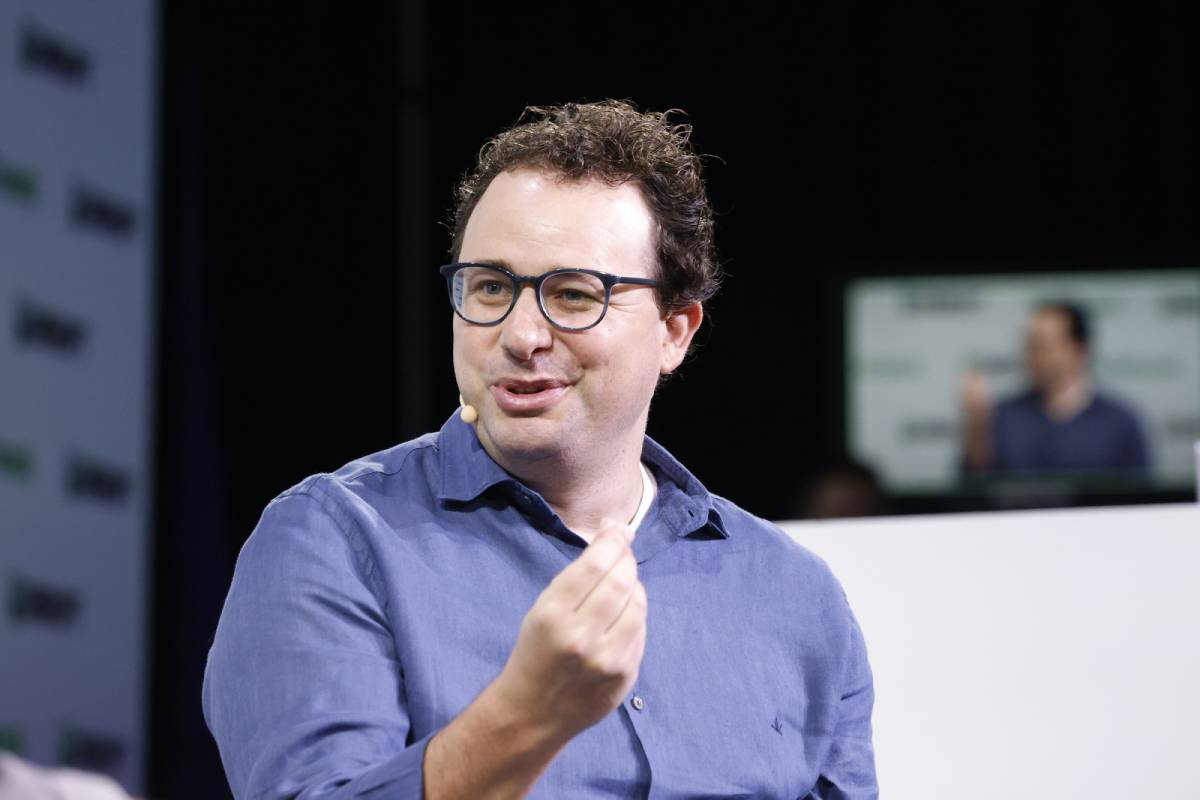
Dario Amodei stated that Pentagon pressure would not alter Anthropic’s commitment to strict AI guardrails, particularly concerning military applications.

February 27, 2026
|

A major development unfolded today as Anthropic CEO Dario Amodei publicly rejected pressure from the United States Department of Defense to loosen AI safeguards. The statement underscores escalating tensions between national security priorities and private-sector AI governance, with significant implications for defense contracts, regulatory frameworks, and global AI policy alignment.

Dario Amodei stated that Pentagon pressure would not alter Anthropic’s commitment to strict AI guardrails, particularly concerning military applications. Reports indicate the Defense Department sought expanded flexibility in deploying advanced AI models for strategic and operational use. Anthropic maintained that safety constraints and usage limitations are foundational to its long-term strategy and risk mitigation approach.

The standoff highlights growing friction between AI developers and defense agencies seeking competitive advantages in emerging technology domains. Industry observers note that government contracts represent significant revenue opportunities, intensifying scrutiny over whether AI firms will prioritize commercial growth or ethical constraints.

The episode arrives amid intensifying global competition in AI capabilities, particularly among major geopolitical powers. The development aligns with a broader trend across global markets where advanced AI technologies are increasingly intersecting with national security agendas.

Governments worldwide are accelerating AI integration into defense, intelligence, and cybersecurity frameworks, viewing the technology as strategically decisive. Anthropic, positioned as a safety-focused AI company, has differentiated itself by emphasizing responsible deployment and controlled model access.

Previous debates surrounding AI in military contexts including autonomous weapons and surveillance systems have triggered ethical and regulatory scrutiny. The Pentagon’s engagement reflects Washington’s urgency to secure AI leadership amid strategic competition with China and other emerging tech powers.

For corporate leaders and policymakers, the dispute illustrates a fundamental tension: balancing innovation, commercial opportunity, and ethical boundaries in high-stakes geopolitical environments. Understanding this context is essential for executives navigating AI procurement, compliance, and long-term global risk exposure.

Industry analysts suggest Anthropic’s stance reinforces its brand positioning as a safety-first AI developer, potentially strengthening trust among enterprise clients concerned about misuse risks. Defense policy experts argue that limiting military AI capabilities could constrain national competitiveness, particularly as rival nations accelerate AI integration.

Technology governance specialists emphasize that private-sector AI firms increasingly act as gatekeepers in national security innovation, giving them unprecedented influence over state capabilities. While Amodei signaled willingness to collaborate within defined safeguards, he maintained that relaxing guardrails would undermine long-term safety objectives.

Market observers note that defense-related AI contracts could represent substantial financial upside, placing companies in a delicate position between shareholder expectations and ethical commitments. The episode may prompt clearer contractual frameworks defining acceptable use cases and compliance standards in government-AI partnerships.

For global executives, the dispute signals rising complexity in public-private AI collaboration, especially in defense and security sectors. Companies may need to reassess risk frameworks, contractual obligations, and governance policies when engaging with government clients. Investors could weigh ethical positioning against revenue potential in evaluating AI firms with defense exposure.

Policymakers may accelerate efforts to formalize AI deployment standards, ensuring alignment between innovation goals and national security imperatives. The episode underscores the growing strategic leverage AI companies hold, potentially reshaping how governments negotiate technology access and regulatory oversight in high-impact domains.

Decision-makers should monitor whether negotiations between Anthropic and defense authorities evolve into revised agreements or hardened stances. Key uncertainties include regulatory intervention, geopolitical escalation, and competitive responses from rival AI firms willing to adopt fewer restrictions.

The outcome may set a precedent for how AI developers globally navigate defense partnerships, shaping the balance between national security objectives and responsible AI governance.

Source: CNBC
Date: February 26, 2026

  • Featured tools
Hostinger Website Builder
Paid

Hostinger Website Builder is a drag-and-drop website creator bundled with hosting and AI-powered tools, designed for businesses, blogs and small shops with minimal technical effort.It makes launching a site fast and affordable, with templates, responsive design and built-in hosting all in one.

#
Productivity
#
Startup Tools
#
Ecommerce
Learn more
Murf Ai
Free

Murf AI Review – Advanced AI Voice Generator for Realistic Voiceovers

#
Text to Speech
Learn more

Learn more about future of AI

Join 80,000+ Ai enthusiast getting weekly updates on exciting AI tools.
Thank you! Your submission has been received!
Oops! Something went wrong while submitting the form.

Anthropic Defies Pentagon, Reaffirms AI Guardrails Amid Tensions

February 27, 2026

Dario Amodei stated that Pentagon pressure would not alter Anthropic’s commitment to strict AI guardrails, particularly concerning military applications.

A major development unfolded today as Anthropic CEO Dario Amodei publicly rejected pressure from the United States Department of Defense to loosen AI safeguards. The statement underscores escalating tensions between national security priorities and private-sector AI governance, with significant implications for defense contracts, regulatory frameworks, and global AI policy alignment.

Dario Amodei stated that Pentagon pressure would not alter Anthropic’s commitment to strict AI guardrails, particularly concerning military applications. Reports indicate the Defense Department sought expanded flexibility in deploying advanced AI models for strategic and operational use. Anthropic maintained that safety constraints and usage limitations are foundational to its long-term strategy and risk mitigation approach.

The standoff highlights growing friction between AI developers and defense agencies seeking competitive advantages in emerging technology domains. Industry observers note that government contracts represent significant revenue opportunities, intensifying scrutiny over whether AI firms will prioritize commercial growth or ethical constraints.

The episode arrives amid intensifying global competition in AI capabilities, particularly among major geopolitical powers. The development aligns with a broader trend across global markets where advanced AI technologies are increasingly intersecting with national security agendas.

Governments worldwide are accelerating AI integration into defense, intelligence, and cybersecurity frameworks, viewing the technology as strategically decisive. Anthropic, positioned as a safety-focused AI company, has differentiated itself by emphasizing responsible deployment and controlled model access.

Previous debates surrounding AI in military contexts including autonomous weapons and surveillance systems have triggered ethical and regulatory scrutiny. The Pentagon’s engagement reflects Washington’s urgency to secure AI leadership amid strategic competition with China and other emerging tech powers.

For corporate leaders and policymakers, the dispute illustrates a fundamental tension: balancing innovation, commercial opportunity, and ethical boundaries in high-stakes geopolitical environments. Understanding this context is essential for executives navigating AI procurement, compliance, and long-term global risk exposure.

Industry analysts suggest Anthropic’s stance reinforces its brand positioning as a safety-first AI developer, potentially strengthening trust among enterprise clients concerned about misuse risks. Defense policy experts argue that limiting military AI capabilities could constrain national competitiveness, particularly as rival nations accelerate AI integration.

Technology governance specialists emphasize that private-sector AI firms increasingly act as gatekeepers in national security innovation, giving them unprecedented influence over state capabilities. While Amodei signaled willingness to collaborate within defined safeguards, he maintained that relaxing guardrails would undermine long-term safety objectives.

Market observers note that defense-related AI contracts could represent substantial financial upside, placing companies in a delicate position between shareholder expectations and ethical commitments. The episode may prompt clearer contractual frameworks defining acceptable use cases and compliance standards in government-AI partnerships.

For global executives, the dispute signals rising complexity in public-private AI collaboration, especially in defense and security sectors. Companies may need to reassess risk frameworks, contractual obligations, and governance policies when engaging with government clients. Investors could weigh ethical positioning against revenue potential in evaluating AI firms with defense exposure.

Policymakers may accelerate efforts to formalize AI deployment standards, ensuring alignment between innovation goals and national security imperatives. The episode underscores the growing strategic leverage AI companies hold, potentially reshaping how governments negotiate technology access and regulatory oversight in high-impact domains.

Decision-makers should monitor whether negotiations between Anthropic and defense authorities evolve into revised agreements or hardened stances. Key uncertainties include regulatory intervention, geopolitical escalation, and competitive responses from rival AI firms willing to adopt fewer restrictions.

The outcome may set a precedent for how AI developers globally navigate defense partnerships, shaping the balance between national security objectives and responsible AI governance.

Source: CNBC
Date: February 26, 2026

Promote Your Tool

Copy Embed Code

Similar Blogs

March 9, 2026
|

Nota AI Demonstrates On Device AI at Embedded World

Nota AI plans to showcase a fully integrated AI solution spanning device-level optimization, real-time analytics, and industrial deployment. The demonstration at Embedded World 2026.
Read more
March 9, 2026
|

Criteo Debuts AI Commerce Platform With ChatGPT Pilot

A major development unfolded today as Criteo presented its AI-driven commerce platform at the Morgan Stanley Technology, Media & Telecom Conference. The announcement, highlighting a ChatGPT pilot and the Commerce Go solution.
Read more
March 9, 2026
|

AI Governance Risks Rise Amid U.S. Anthropic Standoff

The U.S. Department of Defense and federal regulators have expressed caution over Anthropic’s AI models, citing potential risks to security and ethical compliance.
Read more
March 9, 2026
|

Investors Move From Prediction Markets to AI Stocks

A major investment trend is emerging as market observers note soaring activity in prediction markets, yet analysts suggest that high-growth artificial intelligence stocks offer more strategic upside.
Read more
March 9, 2026
|

Netflix Buys Ben Affleck’s AI Start Up for Innovation

Netflix completed the acquisition of Ben Affleck’s AI start-up, a company specializing in generative AI tools for video production, script analysis, and automated editing.
Read more
March 9, 2026
|

AWS Boosts AI Workforce Skills Via College Alliance

Amazon Web Services (AWS) is scaling its partnership with the National Applied AI Consortium to broaden AI-focused training programs across community colleges in the United States.
Read more