
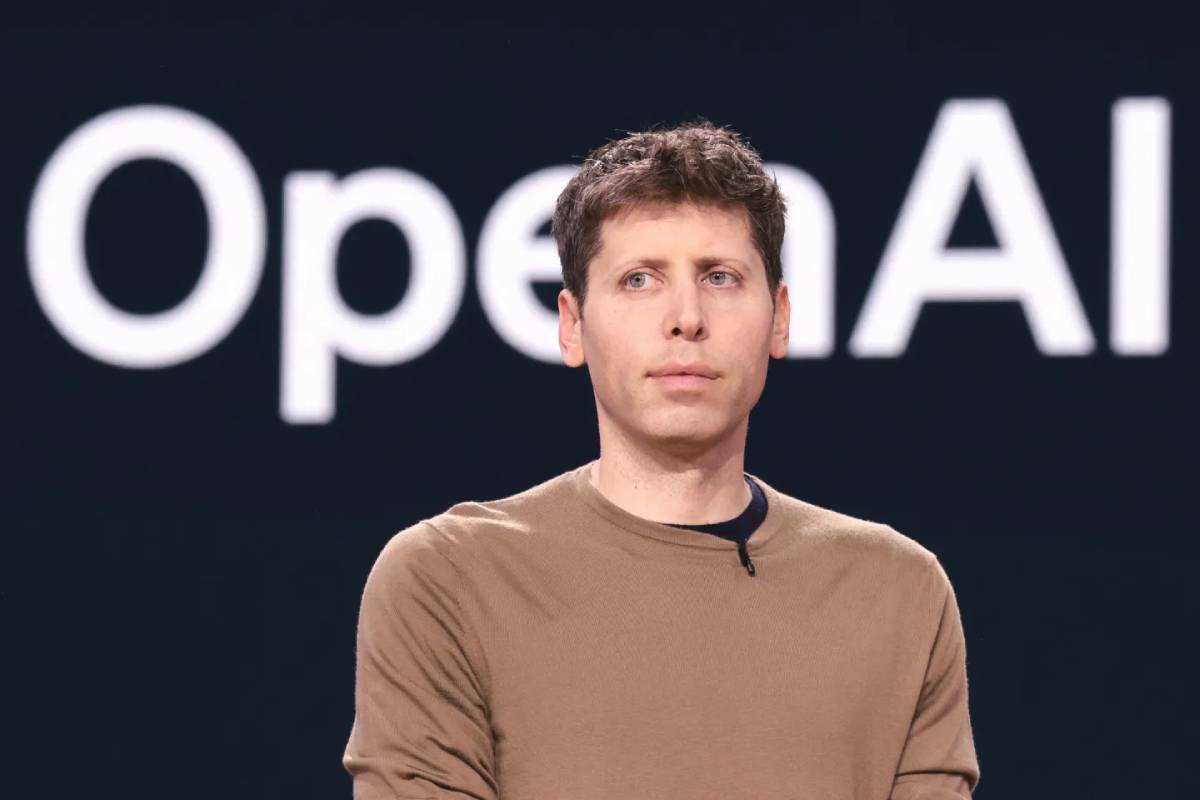
Altman’s Growing AI Power Sparks Trust Questions

The report highlights Sam Altman’s central role in shaping the trajectory of advanced AI systems through his leadership at OpenAI. It underscores concerns about concentration of power, decision-making authority, and the long-term societal impact of AI technologies

April 7, 2026
|

A major development unfolded as scrutiny intensifies around Sam Altman and his growing influence over artificial intelligence. The debate centers on trust, governance, and control of transformative technologies, signaling a pivotal moment with far-reaching implications for global markets, policymakers, and corporate leaders navigating the AI era.

The report highlights Sam Altman’s central role in shaping the trajectory of advanced AI systems through his leadership at OpenAI. It underscores concerns about concentration of power, decision-making authority, and the long-term societal impact of AI technologies.

Key stakeholders include governments, global enterprises, investors, and billions of users interacting with AI systems. The timeline reflects rapid developments over the past few years, with OpenAI launching increasingly powerful models and expanding commercial partnerships.

The article raises critical questions about accountability, transparency, and the influence of private entities in determining the future of AI issues that intersect with geopolitics, economic competition, and regulatory oversight.

The development aligns with a broader global trend where a small group of technology leaders and companies wield disproportionate influence over AI innovation. Over the past decade, AI has transitioned from a niche research field to a foundational technology underpinning industries such as healthcare, finance, defense, and education.

Historically, transformative technologies from nuclear energy to the internet have prompted debates about centralized control versus distributed governance. In the AI context, these concerns are amplified by the technology’s speed of advancement and its potential societal impact.

Geopolitically, AI leadership has become a strategic priority for nations, with the U.S., China, and Europe competing for dominance. Within this landscape, figures like Altman represent not just corporate leadership but also a nexus of technological, economic, and political influence, raising questions about checks and balances in AI development.

Industry analysts suggest that the concentration of AI leadership in a few organizations necessitates stronger governance frameworks and international collaboration. Experts emphasize that trust in AI systems depends on transparency, ethical safeguards, and accountability mechanisms.

Some observers view Altman as a visionary driving innovation responsibly, citing efforts to promote AI safety and alignment research. Others express concern about the risks of centralized control, arguing that decisions affecting global populations should not rest with a limited group of private actors.

Policy experts highlight the need for regulatory oversight that balances innovation with public interest, including independent audits, ethical review boards, and international standards. The discourse reflects a broader tension between rapid technological progress and the societal need for oversight, accountability, and equitable access.

For global executives, the debate underscores the importance of aligning AI strategies with governance, transparency, and ethical considerations. Companies may need to evaluate dependencies on major AI providers and diversify technology partnerships to mitigate risk.

Investors are likely to scrutinize companies’ exposure to AI governance challenges, while markets may respond to regulatory developments affecting leading AI firms. Policymakers could accelerate efforts to establish frameworks governing AI development, deployment, and accountability.

Analysts warn that organizations ignoring governance risks may face reputational damage, regulatory penalties, or operational disruptions, making responsible AI adoption a strategic imperative for long-term competitiveness.

Looking ahead, the global conversation around AI leadership and trust is expected to intensify. Decision-makers should monitor regulatory initiatives, corporate governance reforms, and technological advancements shaping the AI ecosystem.

As AI becomes increasingly embedded in economic and societal systems, the balance between innovation, control, and accountability will define the next phase of global technology leadership making trust a central pillar of future growth.

Source: The New Yorker
Date: April 2026

  • Featured tools
Upscayl AI
Free

Upscayl AI is a free, open-source AI-powered tool that enhances and upscales images to higher resolutions. It transforms blurry or low-quality visuals into sharp, detailed versions with ease.

#
Productivity
Learn more
Scalenut AI
Free

Scalenut AI is an all-in-one SEO content platform that combines AI-driven writing, keyword research, competitor insights, and optimization tools to help you plan, create, and rank content.

#
SEO
Learn more

Learn more about future of AI

Join 80,000+ Ai enthusiast getting weekly updates on exciting AI tools.
Thank you! Your submission has been received!
Oops! Something went wrong while submitting the form.

Altman’s Growing AI Power Sparks Trust Questions

April 7, 2026

The report highlights Sam Altman’s central role in shaping the trajectory of advanced AI systems through his leadership at OpenAI. It underscores concerns about concentration of power, decision-making authority, and the long-term societal impact of AI technologies

A major development unfolded as scrutiny intensifies around Sam Altman and his growing influence over artificial intelligence. The debate centers on trust, governance, and control of transformative technologies, signaling a pivotal moment with far-reaching implications for global markets, policymakers, and corporate leaders navigating the AI era.

The report highlights Sam Altman’s central role in shaping the trajectory of advanced AI systems through his leadership at OpenAI. It underscores concerns about concentration of power, decision-making authority, and the long-term societal impact of AI technologies.

Key stakeholders include governments, global enterprises, investors, and billions of users interacting with AI systems. The timeline reflects rapid developments over the past few years, with OpenAI launching increasingly powerful models and expanding commercial partnerships.

The article raises critical questions about accountability, transparency, and the influence of private entities in determining the future of AI issues that intersect with geopolitics, economic competition, and regulatory oversight.

The development aligns with a broader global trend where a small group of technology leaders and companies wield disproportionate influence over AI innovation. Over the past decade, AI has transitioned from a niche research field to a foundational technology underpinning industries such as healthcare, finance, defense, and education.

Historically, transformative technologies from nuclear energy to the internet have prompted debates about centralized control versus distributed governance. In the AI context, these concerns are amplified by the technology’s speed of advancement and its potential societal impact.

Geopolitically, AI leadership has become a strategic priority for nations, with the U.S., China, and Europe competing for dominance. Within this landscape, figures like Altman represent not just corporate leadership but also a nexus of technological, economic, and political influence, raising questions about checks and balances in AI development.

Industry analysts suggest that the concentration of AI leadership in a few organizations necessitates stronger governance frameworks and international collaboration. Experts emphasize that trust in AI systems depends on transparency, ethical safeguards, and accountability mechanisms.

Some observers view Altman as a visionary driving innovation responsibly, citing efforts to promote AI safety and alignment research. Others express concern about the risks of centralized control, arguing that decisions affecting global populations should not rest with a limited group of private actors.

Policy experts highlight the need for regulatory oversight that balances innovation with public interest, including independent audits, ethical review boards, and international standards. The discourse reflects a broader tension between rapid technological progress and the societal need for oversight, accountability, and equitable access.

For global executives, the debate underscores the importance of aligning AI strategies with governance, transparency, and ethical considerations. Companies may need to evaluate dependencies on major AI providers and diversify technology partnerships to mitigate risk.

Investors are likely to scrutinize companies’ exposure to AI governance challenges, while markets may respond to regulatory developments affecting leading AI firms. Policymakers could accelerate efforts to establish frameworks governing AI development, deployment, and accountability.

Analysts warn that organizations ignoring governance risks may face reputational damage, regulatory penalties, or operational disruptions, making responsible AI adoption a strategic imperative for long-term competitiveness.

Looking ahead, the global conversation around AI leadership and trust is expected to intensify. Decision-makers should monitor regulatory initiatives, corporate governance reforms, and technological advancements shaping the AI ecosystem.

As AI becomes increasingly embedded in economic and societal systems, the balance between innovation, control, and accountability will define the next phase of global technology leadership making trust a central pillar of future growth.

Source: The New Yorker
Date: April 2026

Promote Your Tool

Copy Embed Code

Similar Blogs

April 29, 2026
|

Dell XPS 16 Balances Performance Pricing Trade-Off

The Dell XPS 16 positions itself as a flagship large-screen laptop offering strong performance, premium design, and advanced display capabilities.
Read more
April 29, 2026
|

Logitech Redefines Gaming Hybrid Keyboard Innovation

The Logitech G512 X gaming keyboard integrates a hybrid switch architecture combining mechanical responsiveness with analog-level input control.
Read more
April 29, 2026
|

Acer Predator Deal Signals Gaming Hardware Shift

The Acer Predator Helios Neo 16 AI gaming laptop is currently available at a discount of approximately $560, positioning it as a competitively priced high-end device.
Read more
April 29, 2026
|

Elgato 4K Webcam Redefines Video Standards

The Elgato Facecam 4K webcam is currently being offered at approximately $160, positioning it competitively within the premium webcam segment.
Read more
April 29, 2026
|

Musk Altman Clash Exposes Global AI Faultlines

The opening day of the legal confrontation between Musk and Altman centered on disputes tied to the origins and direction of OpenAI.
Read more
April 29, 2026
|

Viture Beast Signals Breakthrough in AR Displays

The Viture Beast display glasses introduce a high-resolution virtual screen experience, enabling users to project large-format displays through lightweight wearable hardware.
Read more