
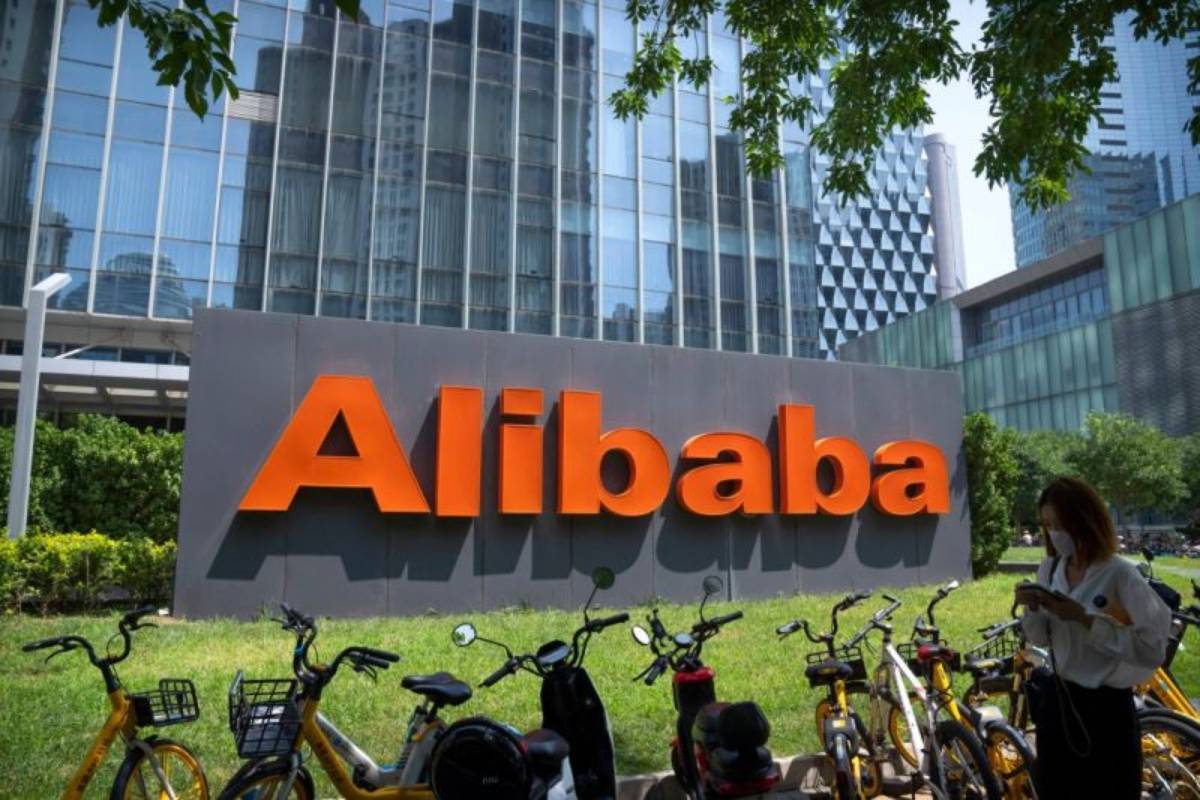
Alibaba Surges in AI Commerce, Outpaces Amazon OpenAI

Alibaba has rolled out AI-powered features across its e-commerce platforms, including smart product recommendations, automated customer support, and dynamic pricing engines.

March 6, 2026
|

A major development unfolded today as Alibaba accelerates its adoption of artificial intelligence in commerce, surpassing rivals Amazon and OpenAI in integrating AI tools for retail operations and customer engagement. This strategic push signals a competitive shift with global implications for e-commerce, technology investment, and cross-border digital trade.

Alibaba has rolled out AI-powered features across its e-commerce platforms, including smart product recommendations, automated customer support, and dynamic pricing engines. The company has reportedly accelerated its AI initiatives in 2026, unveiling pilot programs in logistics automation and virtual shopping assistants.

By comparison, Amazon and OpenAI remain in earlier deployment phases, focused largely on AI research or incremental retail integrations. This rapid adoption positions Alibaba as a leading force in AI-driven commerce in Asia and beyond, raising concerns among competitors about market share and consumer loyalty. Investors are closely monitoring Alibaba’s growth trajectory, with AI innovations seen as key to sustaining long-term revenue expansion in a competitive global market.

The development aligns with a broader trend of integrating artificial intelligence into retail, logistics, and customer engagement globally. Alibaba’s AI strategy focuses on creating fully automated, personalized shopping experiences, leveraging deep learning models trained on vast consumer datasets. These innovations aim to reduce operational costs, increase conversion rates, and enhance user satisfaction.

Globally, Amazon has made significant AI investments, primarily through recommendation engines and warehouse automation, while OpenAI focuses on general-purpose AI models rather than direct commerce applications.

Analysts note that China’s digital ecosystem, with large-scale e-commerce adoption and mobile-first consumer behavior, provides a fertile environment for Alibaba to rapidly deploy AI capabilities. The move also has implications for international competition, signaling a shift in AI leadership from traditional U.S.-based companies to agile, Asia-based innovators.

Industry analysts suggest Alibaba’s accelerated AI adoption demonstrates the company’s ability to operationalize AI at scale, converting technological capability into measurable business impact.

“Alibaba is translating its AI research into actionable commerce solutions faster than Western peers,” said a market analyst. “This gives them a strategic advantage in both domestic and cross-border retail.”

Competitors like Amazon face pressure to ramp up AI-driven features or risk losing market share in key regions. Observers also highlight that regulatory frameworks in China allow for rapid AI deployment in commerce, a contrast to slower compliance and privacy-driven adoption in the U.S.

Corporate strategists emphasize that Alibaba’s integration of AI across marketing, logistics, and customer engagement could serve as a blueprint for future global e-commerce operations. Industry leaders are watching closely to gauge how AI adoption rates will impact competitive positioning and profitability.

For global executives, Alibaba’s AI acceleration could redefine operational strategies across e-commerce, retail, and digital marketing. Companies may need to reassess AI investment priorities and deployment speed to remain competitive.

Investors are weighing the potential for increased revenues from AI-enabled efficiencies against the risks of technological overreach or regulatory backlash.

The trend also carries implications for cross-border trade and policy, as countries monitor AI-driven retail dominance and potential data sovereignty issues. Analysts warn that companies failing to match AI integration speed risk losing market share and relevance, emphasizing strategic adaptation as a critical imperative in the evolving digital economy.

Decision-makers should watch Alibaba’s AI initiatives for expansion into new markets and continued enhancement of e-commerce automation. Competitors are expected to accelerate AI deployments, potentially triggering an AI arms race in global commerce. Regulatory scrutiny, particularly around consumer data and cross-border transactions, remains an uncertainty. The pace at which AI integrates into retail operations will shape competitive positioning and influence investment strategies in the next 12–24 months.

Date: March 6, 2026
Source: theinformation

  • Featured tools
Writesonic AI
Free

Writesonic AI is a versatile AI writing platform designed for marketers, entrepreneurs, and content creators. It helps users create blog posts, ad copies, product descriptions, social media posts, and more with ease. With advanced AI models and user-friendly tools, Writesonic streamlines content production and saves time for busy professionals.

#
Copywriting
Learn more
Outplay AI
Free

Outplay AI is a dynamic sales engagement platform combining AI-powered outreach, multi-channel automation, and performance tracking to help teams optimize conversion and pipeline generation.

#
Sales
Learn more

Learn more about future of AI

Join 80,000+ Ai enthusiast getting weekly updates on exciting AI tools.
Thank you! Your submission has been received!
Oops! Something went wrong while submitting the form.

Alibaba Surges in AI Commerce, Outpaces Amazon OpenAI

March 6, 2026

Alibaba has rolled out AI-powered features across its e-commerce platforms, including smart product recommendations, automated customer support, and dynamic pricing engines.

A major development unfolded today as Alibaba accelerates its adoption of artificial intelligence in commerce, surpassing rivals Amazon and OpenAI in integrating AI tools for retail operations and customer engagement. This strategic push signals a competitive shift with global implications for e-commerce, technology investment, and cross-border digital trade.

Alibaba has rolled out AI-powered features across its e-commerce platforms, including smart product recommendations, automated customer support, and dynamic pricing engines. The company has reportedly accelerated its AI initiatives in 2026, unveiling pilot programs in logistics automation and virtual shopping assistants.

By comparison, Amazon and OpenAI remain in earlier deployment phases, focused largely on AI research or incremental retail integrations. This rapid adoption positions Alibaba as a leading force in AI-driven commerce in Asia and beyond, raising concerns among competitors about market share and consumer loyalty. Investors are closely monitoring Alibaba’s growth trajectory, with AI innovations seen as key to sustaining long-term revenue expansion in a competitive global market.

The development aligns with a broader trend of integrating artificial intelligence into retail, logistics, and customer engagement globally. Alibaba’s AI strategy focuses on creating fully automated, personalized shopping experiences, leveraging deep learning models trained on vast consumer datasets. These innovations aim to reduce operational costs, increase conversion rates, and enhance user satisfaction.

Globally, Amazon has made significant AI investments, primarily through recommendation engines and warehouse automation, while OpenAI focuses on general-purpose AI models rather than direct commerce applications.

Analysts note that China’s digital ecosystem, with large-scale e-commerce adoption and mobile-first consumer behavior, provides a fertile environment for Alibaba to rapidly deploy AI capabilities. The move also has implications for international competition, signaling a shift in AI leadership from traditional U.S.-based companies to agile, Asia-based innovators.

Industry analysts suggest Alibaba’s accelerated AI adoption demonstrates the company’s ability to operationalize AI at scale, converting technological capability into measurable business impact.

“Alibaba is translating its AI research into actionable commerce solutions faster than Western peers,” said a market analyst. “This gives them a strategic advantage in both domestic and cross-border retail.”

Competitors like Amazon face pressure to ramp up AI-driven features or risk losing market share in key regions. Observers also highlight that regulatory frameworks in China allow for rapid AI deployment in commerce, a contrast to slower compliance and privacy-driven adoption in the U.S.

Corporate strategists emphasize that Alibaba’s integration of AI across marketing, logistics, and customer engagement could serve as a blueprint for future global e-commerce operations. Industry leaders are watching closely to gauge how AI adoption rates will impact competitive positioning and profitability.

For global executives, Alibaba’s AI acceleration could redefine operational strategies across e-commerce, retail, and digital marketing. Companies may need to reassess AI investment priorities and deployment speed to remain competitive.

Investors are weighing the potential for increased revenues from AI-enabled efficiencies against the risks of technological overreach or regulatory backlash.

The trend also carries implications for cross-border trade and policy, as countries monitor AI-driven retail dominance and potential data sovereignty issues. Analysts warn that companies failing to match AI integration speed risk losing market share and relevance, emphasizing strategic adaptation as a critical imperative in the evolving digital economy.

Decision-makers should watch Alibaba’s AI initiatives for expansion into new markets and continued enhancement of e-commerce automation. Competitors are expected to accelerate AI deployments, potentially triggering an AI arms race in global commerce. Regulatory scrutiny, particularly around consumer data and cross-border transactions, remains an uncertainty. The pace at which AI integrates into retail operations will shape competitive positioning and influence investment strategies in the next 12–24 months.

Date: March 6, 2026
Source: theinformation

Promote Your Tool

Copy Embed Code

Similar Blogs

March 6, 2026
|

Thoughtly Launches No Code AI Phone Agents for Automation

Thoughtly’s launch aligns with a global trend toward AI-driven enterprise automation and intelligent customer engagement. As businesses grapple with rising operational costs and the need for 24/7 customer support.
Read more
March 6, 2026
|

Broadcom Rises on CEO Optimism for AI Growth

Broadcom shares rallied sharply after CEO Hock Tan outlined a robust outlook for AI-driven demand in the semiconductor sector.
Read more
March 6, 2026
|

Alibaba Surges in AI Commerce, Outpaces Amazon OpenAI

Alibaba has rolled out AI-powered features across its e-commerce platforms, including smart product recommendations, automated customer support, and dynamic pricing engines.
Read more
March 6, 2026
|

ByteDance AI Ambitions Hindered by Compute, Copyright Limits

ByteDance, the Chinese tech powerhouse behind TikTok, faces mounting obstacles in its AI expansion as limited access to high-performance computing and ongoing copyright disputes slow its ambitions.
Read more
March 6, 2026
|

Donald Trump Anthropic Clash Threatens United States AI Strategy

The conflict centers on disagreements between the administration of Donald Trump and leading AI firm Anthropic over safety restrictions embedded in advanced AI systems.
Read more
March 6, 2026
|

United States Weighs Global AI Chip Export Rules for Nvidia, AMD

US officials are reportedly drafting new regulations that would expand government oversight of global sales of advanced artificial intelligence chips produced by leading semiconductor firms such as Nvidia and AMD.
Read more