
AI Investments Spotlighted by Google CEO

During a public address in April 2026, Sundar Pichai outlined how AI advancements are reshaping markets and creating new avenues for startup investment.

April 8, 2026
|
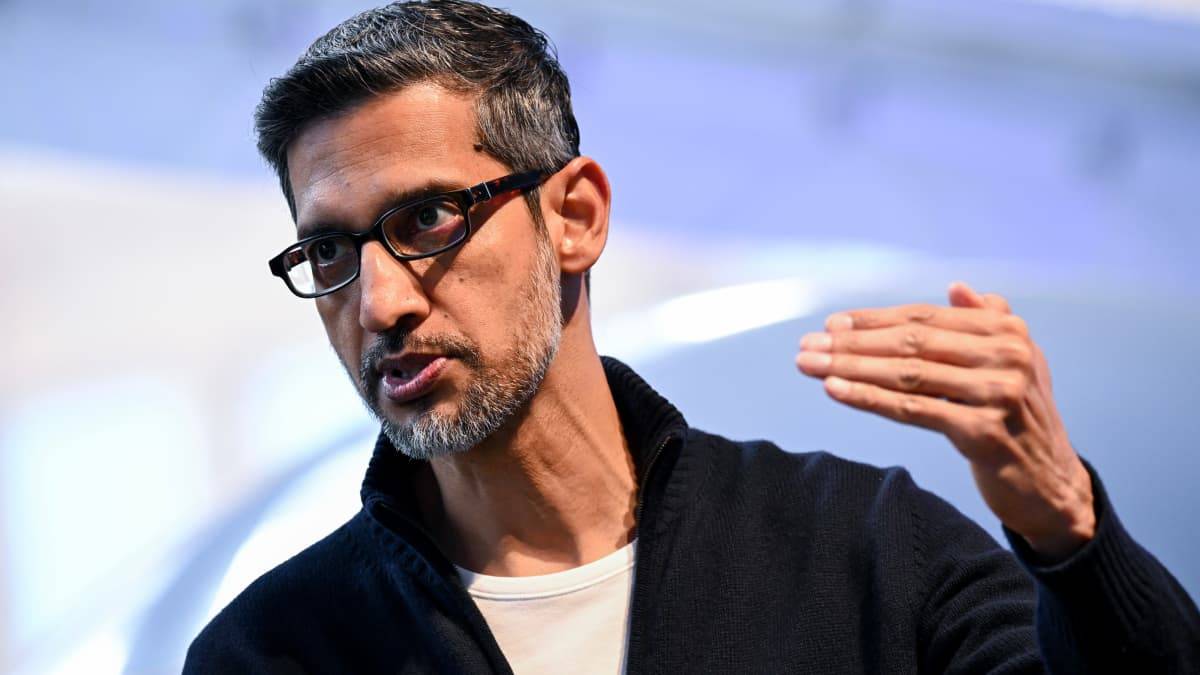
Image Credit: David Paul Morris | Bloomberg | Getty Images

A major development unfolded as Sundar Pichai signaled that the ongoing AI transformation presents fertile opportunities for investment in early-stage startups. The statement underscores a strategic pivot for Google, emphasizing the role of innovation and venture capital in shaping the future of AI-driven technologies, with implications for global investors, tech entrepreneurs, and corporate strategy.

During a public address in April 2026, Sundar Pichai outlined how AI advancements are reshaping markets and creating new avenues for startup investment. Google plans to actively support emerging AI ventures through partnerships, funding programs, and technical resources.

Analysts note that this signals increased competition among tech giants to capture innovation at the earliest stage, potentially accelerating AI commercialization. The announcement comes amid heightened interest in generative AI, enterprise AI tools, and AI-driven consumer applications. Venture capitalists and startup founders are closely watching Google’s moves, as they may influence funding flows and strategic partnerships globally.

The development aligns with a broader trend where AI is becoming a central driver of technological and economic growth across global markets. Startups in generative AI, autonomous systems, and enterprise automation are increasingly attracting attention from major tech firms seeking strategic footholds.

Historically, Google has leveraged both acquisitions and internal development to maintain leadership in AI, including investments in AI research labs, accelerator programs, and cloud-based AI platforms. The current shift highlights the growing convergence of AI innovation, venture funding, and corporate strategy.

Globally, governments are evaluating regulatory frameworks for AI deployment, data governance, and intellectual property, influencing how startups can scale internationally. For investors and corporate leaders, early-stage AI ventures represent both high-growth potential and significant risk, emphasizing the need for careful due diligence and strategic alignment.

Industry analysts interpret Sundar Pichai’s remarks as a clear signal of Google’s intent to nurture the AI startup ecosystem while expanding its competitive edge. Experts note that early-stage investment allows Google to shape emerging technologies and potentially integrate innovations into its core platforms.

Venture capital leaders anticipate increased collaboration between Google and high-potential AI startups, spanning healthcare AI, enterprise software automation, and generative content solutions. Analysts also caution that while the opportunity is significant, startups may face competitive pressures from established tech giants and regulatory constraints.

Corporate strategists emphasize that Google’s support could accelerate adoption of AI across sectors, but also raises questions about market concentration and long-term industry dynamics. The statement positions Google as both a facilitator and competitor in the AI innovation landscape.

For global executives, the shift underscores the strategic importance of engaging with AI startups, either through partnerships, investments, or acquisitions. Companies may need to reassess innovation pipelines, R&D strategies, and collaboration frameworks to remain competitive.

Investors are likely to recalibrate portfolios to capitalize on high-growth AI startups, while also accounting for market volatility and emerging regulatory guidelines. Governments may respond by updating policies on AI investment, data protection, and cross-border technology transfer.

Consumers and enterprise clients could benefit from accelerated AI product development, though concerns over monopolistic practices and ethical AI deployment remain critical considerations for policymakers and business leaders alike.

Decision-makers should monitor Google’s startup investment initiatives, emerging partnerships, and funding programs. Key uncertainties include regulatory responses, global competition among tech giants, and the pace of AI commercialization.

Companies and investors must assess which startups have the scalability and compliance readiness to deliver long-term value. The evolution of Google’s engagement with early-stage AI ventures may serve as a benchmark for strategic innovation across the technology sector.

Source: CNBC
Date: April 7, 2026

  • Featured tools
Hostinger Website Builder
Paid

Hostinger Website Builder is a drag-and-drop website creator bundled with hosting and AI-powered tools, designed for businesses, blogs and small shops with minimal technical effort.It makes launching a site fast and affordable, with templates, responsive design and built-in hosting all in one.

#
Productivity
#
Startup Tools
#
Ecommerce
Learn more
Writesonic AI
Free

Writesonic AI is a versatile AI writing platform designed for marketers, entrepreneurs, and content creators. It helps users create blog posts, ad copies, product descriptions, social media posts, and more with ease. With advanced AI models and user-friendly tools, Writesonic streamlines content production and saves time for busy professionals.

#
Copywriting
Learn more

Learn more about future of AI

Join 80,000+ Ai enthusiast getting weekly updates on exciting AI tools.
Thank you! Your submission has been received!
Oops! Something went wrong while submitting the form.

AI Investments Spotlighted by Google CEO

April 8, 2026

During a public address in April 2026, Sundar Pichai outlined how AI advancements are reshaping markets and creating new avenues for startup investment.

Image Credit: David Paul Morris | Bloomberg | Getty Images

A major development unfolded as Sundar Pichai signaled that the ongoing AI transformation presents fertile opportunities for investment in early-stage startups. The statement underscores a strategic pivot for Google, emphasizing the role of innovation and venture capital in shaping the future of AI-driven technologies, with implications for global investors, tech entrepreneurs, and corporate strategy.

During a public address in April 2026, Sundar Pichai outlined how AI advancements are reshaping markets and creating new avenues for startup investment. Google plans to actively support emerging AI ventures through partnerships, funding programs, and technical resources.

Analysts note that this signals increased competition among tech giants to capture innovation at the earliest stage, potentially accelerating AI commercialization. The announcement comes amid heightened interest in generative AI, enterprise AI tools, and AI-driven consumer applications. Venture capitalists and startup founders are closely watching Google’s moves, as they may influence funding flows and strategic partnerships globally.

The development aligns with a broader trend where AI is becoming a central driver of technological and economic growth across global markets. Startups in generative AI, autonomous systems, and enterprise automation are increasingly attracting attention from major tech firms seeking strategic footholds.

Historically, Google has leveraged both acquisitions and internal development to maintain leadership in AI, including investments in AI research labs, accelerator programs, and cloud-based AI platforms. The current shift highlights the growing convergence of AI innovation, venture funding, and corporate strategy.

Globally, governments are evaluating regulatory frameworks for AI deployment, data governance, and intellectual property, influencing how startups can scale internationally. For investors and corporate leaders, early-stage AI ventures represent both high-growth potential and significant risk, emphasizing the need for careful due diligence and strategic alignment.

Industry analysts interpret Sundar Pichai’s remarks as a clear signal of Google’s intent to nurture the AI startup ecosystem while expanding its competitive edge. Experts note that early-stage investment allows Google to shape emerging technologies and potentially integrate innovations into its core platforms.

Venture capital leaders anticipate increased collaboration between Google and high-potential AI startups, spanning healthcare AI, enterprise software automation, and generative content solutions. Analysts also caution that while the opportunity is significant, startups may face competitive pressures from established tech giants and regulatory constraints.

Corporate strategists emphasize that Google’s support could accelerate adoption of AI across sectors, but also raises questions about market concentration and long-term industry dynamics. The statement positions Google as both a facilitator and competitor in the AI innovation landscape.

For global executives, the shift underscores the strategic importance of engaging with AI startups, either through partnerships, investments, or acquisitions. Companies may need to reassess innovation pipelines, R&D strategies, and collaboration frameworks to remain competitive.

Investors are likely to recalibrate portfolios to capitalize on high-growth AI startups, while also accounting for market volatility and emerging regulatory guidelines. Governments may respond by updating policies on AI investment, data protection, and cross-border technology transfer.

Consumers and enterprise clients could benefit from accelerated AI product development, though concerns over monopolistic practices and ethical AI deployment remain critical considerations for policymakers and business leaders alike.

Decision-makers should monitor Google’s startup investment initiatives, emerging partnerships, and funding programs. Key uncertainties include regulatory responses, global competition among tech giants, and the pace of AI commercialization.

Companies and investors must assess which startups have the scalability and compliance readiness to deliver long-term value. The evolution of Google’s engagement with early-stage AI ventures may serve as a benchmark for strategic innovation across the technology sector.

Source: CNBC
Date: April 7, 2026

Promote Your Tool

Copy Embed Code

Similar Blogs

April 29, 2026
|

Dell XPS 16 Balances Performance Pricing Trade-Off

The Dell XPS 16 positions itself as a flagship large-screen laptop offering strong performance, premium design, and advanced display capabilities.
Read more
April 29, 2026
|

Logitech Redefines Gaming Hybrid Keyboard Innovation

The Logitech G512 X gaming keyboard integrates a hybrid switch architecture combining mechanical responsiveness with analog-level input control.
Read more
April 29, 2026
|

Acer Predator Deal Signals Gaming Hardware Shift

The Acer Predator Helios Neo 16 AI gaming laptop is currently available at a discount of approximately $560, positioning it as a competitively priced high-end device.
Read more
April 29, 2026
|

Elgato 4K Webcam Redefines Video Standards

The Elgato Facecam 4K webcam is currently being offered at approximately $160, positioning it competitively within the premium webcam segment.
Read more
April 29, 2026
|

Musk Altman Clash Exposes Global AI Faultlines

The opening day of the legal confrontation between Musk and Altman centered on disputes tied to the origins and direction of OpenAI.
Read more
April 29, 2026
|

Viture Beast Signals Breakthrough in AR Displays

The Viture Beast display glasses introduce a high-resolution virtual screen experience, enabling users to project large-format displays through lightweight wearable hardware.
Read more