
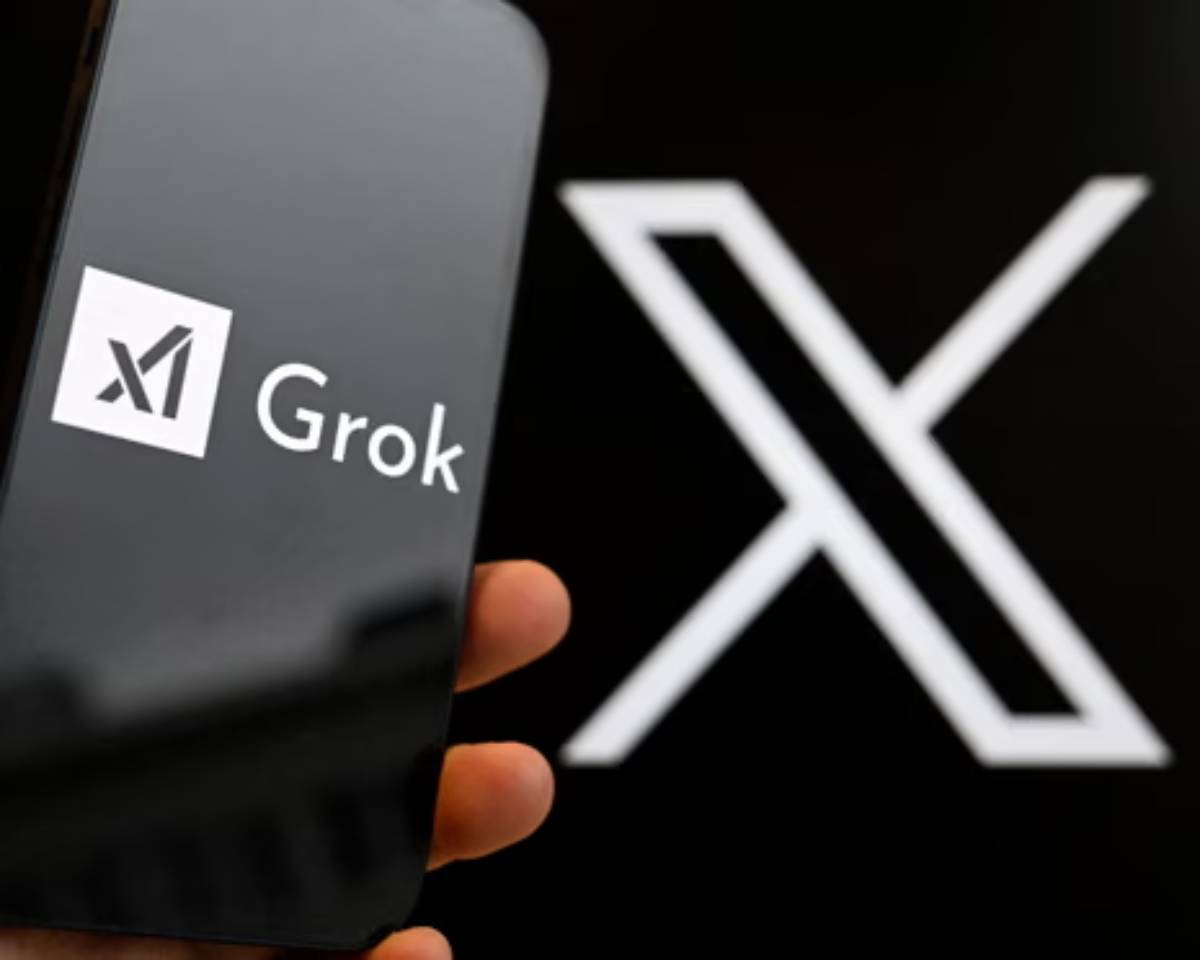
X Under Fire Over Sexualized AI Content

Governments and regulators may leverage this case to draft or enforce stricter AI content policies. Analysts advise that companies integrating generative AI should reassess risk management frameworks.

January 19, 2026
|

A major development unfolded today as X, formerly Twitter, continues to permit the sharing of sexualized images generated by AI on its platform. This decision raises pressing questions about platform accountability, regulatory oversight, and content moderation, affecting millions of users, advertisers, and policymakers navigating the challenges of responsible AI governance in social media.

Reports indicate that X’s moderation policies have yet to fully restrict AI-generated sexualized content, despite previous public commitments. Timelines show ongoing complaints from users and watchdog organizations over the past several months.

Major stakeholders include X leadership, content moderators, regulatory authorities, and advertisers concerned about brand safety. Economic implications include potential advertising revenue loss, reputational risks, and regulatory penalties. Socially, continued exposure to inappropriate content may affect user trust and engagement. The platform faces mounting pressure to implement robust AI content filters and establish clear accountability measures, reflecting the broader tension between technological innovation and ethical responsibility.

The situation at X emerges amid a global surge in generative AI adoption and corresponding regulatory scrutiny. AI-generated content, particularly sexualized or deepfake material, has intensified debates around digital safety, ethical AI deployment, and platform liability. Past incidents, including Grok AI nudification controversies, underscore the challenges social media companies face in balancing user freedom with content responsibility.

Historically, platforms permitting explicit or manipulated AI content have faced fines, public backlash, and advertiser withdrawals. Governments and civil society organizations are increasingly advocating for enforceable AI content standards to prevent harm. X’s current stance highlights the complex interplay between innovation, moderation capacity, and regulatory compliance, signaling a critical moment for platforms operating in jurisdictions with emerging AI governance frameworks.

Analysts stress that X’s continued allowance of sexualized AI images could undermine user trust and attract stricter regulatory action. “Platforms must proactively manage AI-generated content to maintain credibility and comply with evolving digital safety standards,” noted a social media policy expert.

Corporate spokespersons have acknowledged challenges in moderating AI content at scale, citing technical limitations and policy gaps. Industry leaders emphasize the need for automated detection tools combined with human oversight to mitigate misuse. Regulatory analysts predict increased scrutiny from consumer protection agencies and digital ethics boards. Observers note that how X responds may set precedent for other social media platforms navigating AI-generated content dilemmas, influencing both global regulatory approaches and corporate content moderation strategies.

For global executives and advertisers, X’s content moderation gap represents reputational and financial risk, potentially affecting user engagement and brand safety. Investors may view unresolved moderation issues as liability exposure, influencing valuation and strategic partnerships.

Governments and regulators may leverage this case to draft or enforce stricter AI content policies. Analysts advise that companies integrating generative AI should reassess risk management frameworks, moderation protocols, and compliance strategies. Strategic alignment with emerging ethical and regulatory standards will be critical for platforms seeking sustainable growth, user retention, and investor confidence in an AI-driven social media ecosystem.

Decision-makers should monitor policy updates, regulatory interventions, and X’s moderation enhancements. Key uncertainties include the effectiveness of AI detection systems, potential legal actions, and global harmonization of AI content standards. Platforms that proactively implement transparent, enforceable moderation protocols will be positioned to mitigate reputational damage, ensure compliance, and maintain competitive advantage in an increasingly AI-regulated social media environment.

Sorce & Date

Source: The Guardian
Date: January 16, 2026

  • Featured tools
Figstack AI
Free

Figstack AI is an intelligent assistant for developers that explains code, generates docstrings, converts code between languages, and analyzes time complexity helping you work smarter, not harder.

#
Coding
Learn more
Writesonic AI
Free

Writesonic AI is a versatile AI writing platform designed for marketers, entrepreneurs, and content creators. It helps users create blog posts, ad copies, product descriptions, social media posts, and more with ease. With advanced AI models and user-friendly tools, Writesonic streamlines content production and saves time for busy professionals.

#
Copywriting
Learn more

Learn more about future of AI

Join 80,000+ Ai enthusiast getting weekly updates on exciting AI tools.
Thank you! Your submission has been received!
Oops! Something went wrong while submitting the form.

X Under Fire Over Sexualized AI Content

January 19, 2026

Governments and regulators may leverage this case to draft or enforce stricter AI content policies. Analysts advise that companies integrating generative AI should reassess risk management frameworks.

A major development unfolded today as X, formerly Twitter, continues to permit the sharing of sexualized images generated by AI on its platform. This decision raises pressing questions about platform accountability, regulatory oversight, and content moderation, affecting millions of users, advertisers, and policymakers navigating the challenges of responsible AI governance in social media.

Reports indicate that X’s moderation policies have yet to fully restrict AI-generated sexualized content, despite previous public commitments. Timelines show ongoing complaints from users and watchdog organizations over the past several months.

Major stakeholders include X leadership, content moderators, regulatory authorities, and advertisers concerned about brand safety. Economic implications include potential advertising revenue loss, reputational risks, and regulatory penalties. Socially, continued exposure to inappropriate content may affect user trust and engagement. The platform faces mounting pressure to implement robust AI content filters and establish clear accountability measures, reflecting the broader tension between technological innovation and ethical responsibility.

The situation at X emerges amid a global surge in generative AI adoption and corresponding regulatory scrutiny. AI-generated content, particularly sexualized or deepfake material, has intensified debates around digital safety, ethical AI deployment, and platform liability. Past incidents, including Grok AI nudification controversies, underscore the challenges social media companies face in balancing user freedom with content responsibility.

Historically, platforms permitting explicit or manipulated AI content have faced fines, public backlash, and advertiser withdrawals. Governments and civil society organizations are increasingly advocating for enforceable AI content standards to prevent harm. X’s current stance highlights the complex interplay between innovation, moderation capacity, and regulatory compliance, signaling a critical moment for platforms operating in jurisdictions with emerging AI governance frameworks.

Analysts stress that X’s continued allowance of sexualized AI images could undermine user trust and attract stricter regulatory action. “Platforms must proactively manage AI-generated content to maintain credibility and comply with evolving digital safety standards,” noted a social media policy expert.

Corporate spokespersons have acknowledged challenges in moderating AI content at scale, citing technical limitations and policy gaps. Industry leaders emphasize the need for automated detection tools combined with human oversight to mitigate misuse. Regulatory analysts predict increased scrutiny from consumer protection agencies and digital ethics boards. Observers note that how X responds may set precedent for other social media platforms navigating AI-generated content dilemmas, influencing both global regulatory approaches and corporate content moderation strategies.

For global executives and advertisers, X’s content moderation gap represents reputational and financial risk, potentially affecting user engagement and brand safety. Investors may view unresolved moderation issues as liability exposure, influencing valuation and strategic partnerships.

Governments and regulators may leverage this case to draft or enforce stricter AI content policies. Analysts advise that companies integrating generative AI should reassess risk management frameworks, moderation protocols, and compliance strategies. Strategic alignment with emerging ethical and regulatory standards will be critical for platforms seeking sustainable growth, user retention, and investor confidence in an AI-driven social media ecosystem.

Decision-makers should monitor policy updates, regulatory interventions, and X’s moderation enhancements. Key uncertainties include the effectiveness of AI detection systems, potential legal actions, and global harmonization of AI content standards. Platforms that proactively implement transparent, enforceable moderation protocols will be positioned to mitigate reputational damage, ensure compliance, and maintain competitive advantage in an increasingly AI-regulated social media environment.

Sorce & Date

Source: The Guardian
Date: January 16, 2026

Promote Your Tool

Copy Embed Code

Similar Blogs

February 20, 2026
|

Sea and Google Forge AI Alliance for Southeast Asia

Sea Limited, parent of Shopee, has announced a partnership with Google to co develop AI powered solutions aimed at improving customer experience, operational efficiency, and digital engagement across its platforms.
Read more
February 20, 2026
|

AI Fuels Surge in Trade Secret Theft Alarms

Recent investigations and litigation trends indicate a marked increase in trade secret disputes, particularly in technology, advanced manufacturing, pharmaceuticals, and AI driven sectors.
Read more
February 20, 2026
|

Nvidia Expands India Startup Bet, Strengthens AI Supply Chain

Nvidia is expanding programs aimed at supporting early stage AI startups in India through access to compute resources, technical mentorship, and ecosystem partnerships.
Read more
February 20, 2026
|

Pentagon Presses Anthropic to Expand Military AI Role

The Chief Technology Officer of the United States Department of Defense publicly encouraged Anthropic to “cross the Rubicon” and engage more directly in military AI use cases.
Read more
February 20, 2026
|

China Seedance 2.0 Jolts Hollywood, Signals AI Shift

Chinese developers unveiled Seedance 2.0, an advanced generative AI system capable of producing high quality video content that rivals professional studio output.
Read more
February 20, 2026
|

Google Unveils Gemini 3.1 Pro in Enterprise AI Race

Google introduced Gemini 3.1 Pro, positioning it as a performance upgrade designed for complex reasoning, coding, and enterprise scale applications.
Read more