



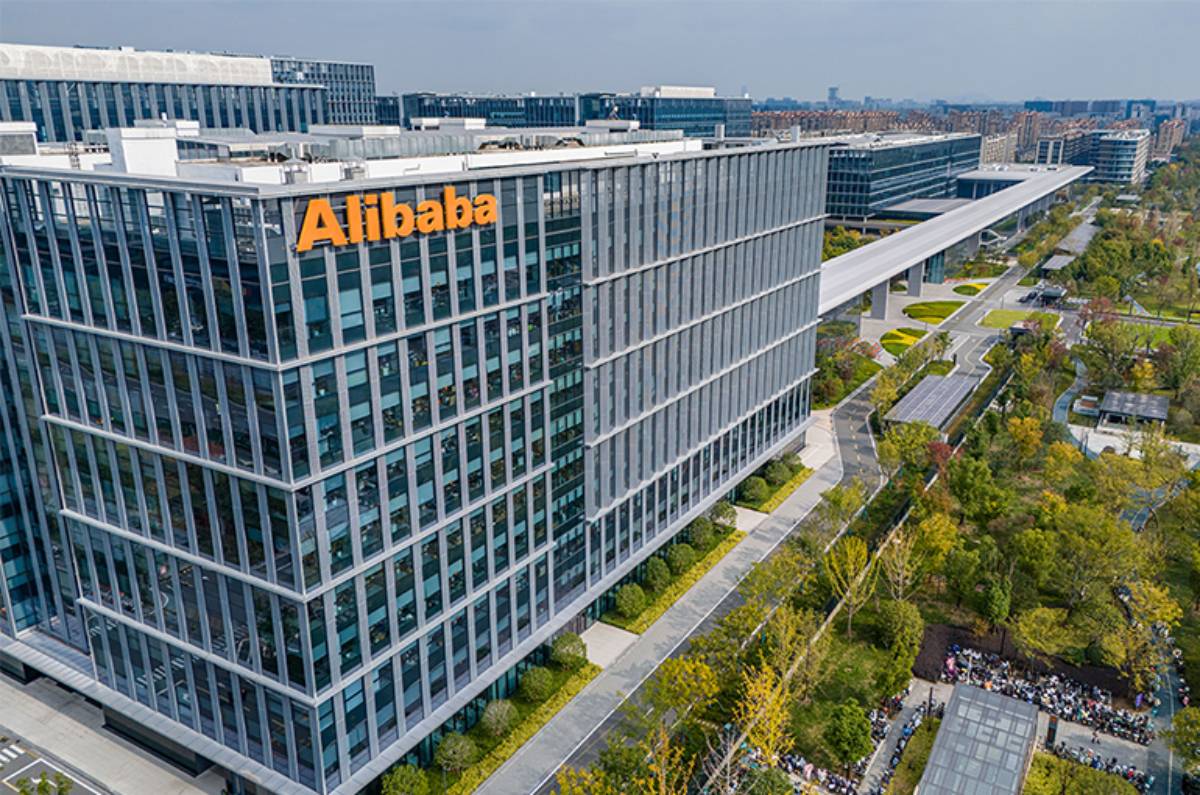
A major development unfolded in the global artificial intelligence race as Alibaba Group unveiled its new OpenClaw application designed to power agentic AI systems. The launch highlights China’s accelerating push to deploy autonomous AI agents capable of completing complex tasks, signalling intensifying competition in next-generation AI platforms.
Alibaba has introduced the OpenClaw app, a platform designed to support the growing ecosystem of “agentic AI” systems capable of performing tasks autonomously with minimal human intervention. The launch aims to help developers and users deploy AI agents capable of navigating digital environments, executing workflows, and automating business processes.
The application builds on China’s rapidly expanding AI infrastructure and reflects a broader effort by domestic tech giants to compete with Western AI platforms.
Alibaba’s move comes amid intense global competition in AI development, particularly between Chinese technology firms and major U.S. companies seeking leadership in generative and autonomous AI systems. The initiative also underscores China’s ambition to accelerate real-world adoption of agent-based AI technologies.
Agentic AI represents one of the most significant emerging frontiers in artificial intelligence. Unlike traditional AI models that respond to prompts, agentic systems are designed to take independent actions, manage workflows, and complete multi-step tasks on behalf of users.
China has rapidly positioned itself as a major testing ground for these technologies. The country’s large digital ecosystem, massive user base, and strong government support for AI innovation have allowed companies to deploy experimental AI services at scale.
Major Chinese technology firms including Tencent, Baidu, and Alibaba are investing heavily in autonomous AI agents, viewing them as the next stage of digital transformation.
Globally, competition is intensifying as companies race to develop platforms capable of managing AI agents that can perform tasks ranging from customer service to financial analysis and enterprise automation.
Technology analysts suggest that Alibaba’s OpenClaw initiative reflects a broader shift toward AI systems that can operate with greater autonomy. By enabling AI agents to complete multi-step workflows, such platforms could significantly expand the practical applications of artificial intelligence across industries.
Experts note that China’s technology companies have moved quickly to commercialize AI tools, often integrating them directly into consumer platforms and enterprise systems. This rapid deployment strategy allows companies to collect real-world data and refine AI performance.
Industry observers also highlight the strategic importance of agentic AI, which could reshape productivity, automation, and digital service delivery. Analysts believe that platforms capable of coordinating AI agents may become foundational infrastructure for future digital economies.
For global businesses, the rise of agentic AI platforms signals a shift toward more automated operations and decision-making systems. Companies may soon deploy AI agents capable of managing tasks such as customer interactions, logistics planning, and market analysis.
Investors are closely monitoring how quickly agentic AI technologies can transition from experimental tools to large-scale commercial products.
From a policy standpoint, the expansion of autonomous AI systems raises new regulatory questions around accountability, cybersecurity, and data governance. Governments may need to develop updated frameworks to oversee AI agents that can act independently in digital environments.
The launch of OpenClaw marks another step in the rapidly evolving race to build autonomous AI ecosystems. As technology companies continue developing platforms that enable AI agents to perform complex tasks, the competition between global tech powers is likely to intensify.
For executives and policymakers alike, the next phase of artificial intelligence may hinge on who can deploy the most capable and scalable AI agents.
Source: Bloomberg
Date: March 13, 2026


