



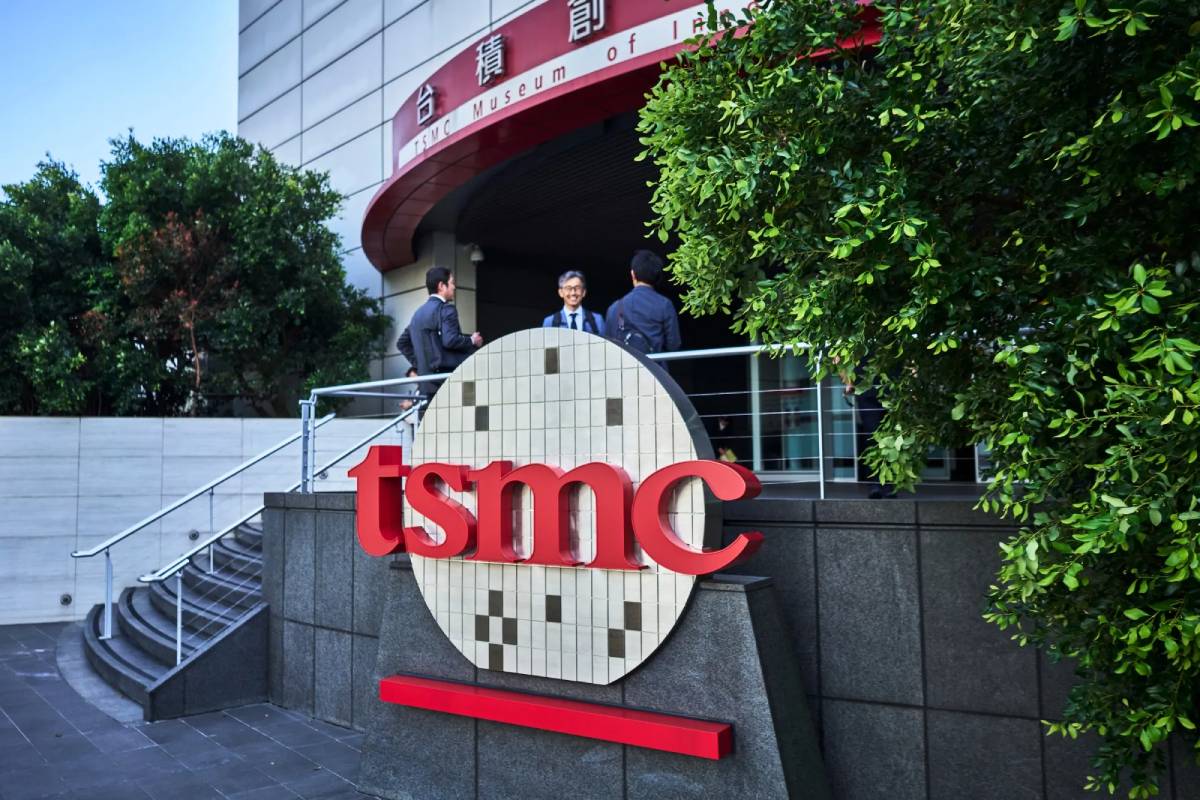
A major development unfolded in global technology markets as Taiwan Semiconductor Manufacturing Company (TSMC) reported a record-breaking quarter, with profits surging 35% year-on-year. The results underscore how explosive demand for AI chips is reshaping the semiconductor industry, with far-reaching implications for global supply chains, investors, and geopolitics.
TSMC announced fourth-quarter profits exceeding NT$1 trillion, marking another historic milestone driven primarily by orders for advanced AI processors. Demand from major clients developing generative AI, data center infrastructure, and high-performance computing systems fueled growth across 3nm and 5nm process technologies. Revenue growth outpaced market expectations, reinforcing TSMC’s position as the world’s most critical chip manufacturer. Management highlighted sustained capacity utilization and strong pricing power, while signaling continued capital expenditure to expand advanced-node production. The performance comes amid heightened global competition and intensifying strategic importance of semiconductor manufacturing.
The results align with a broader global surge in AI investment, as enterprises and governments race to deploy large-scale AI models and infrastructure. Semiconductors particularly advanced logic chips have become the backbone of this transformation. TSMC sits at the center of this ecosystem, manufacturing chips for leading US and global technology firms. Over the past two years, geopolitical tensions around Taiwan, export controls, and supply chain resilience have elevated the company’s strategic significance. Governments in the US, Europe, and Asia have launched domestic chip initiatives, yet TSMC remains unmatched in advanced-node manufacturing at scale. The company’s consistent execution highlights the widening gap between leading-edge foundries and lagging competitors.
Industry analysts describe TSMC’s performance as a clear signal that the AI-driven semiconductor supercycle is accelerating rather than peaking. Market observers note that demand visibility for advanced chips now extends several quarters ahead, reducing near-term volatility. Executives have emphasized disciplined expansion, prioritizing high-margin AI workloads over commoditized chips. Analysts also point out that TSMC’s technological lead creates a defensive moat, even as customers diversify supply chains geographically. From a policy perspective, experts highlight how TSMC’s earnings reinforce why governments continue to court the company with incentives, viewing it as both an economic and national security asset.
For global businesses, TSMC’s results confirm that access to advanced AI chips will remain a competitive differentiator. Technology firms dependent on AI acceleration face higher costs but more predictable supply. Investors may view the earnings as validation of long-term semiconductor exposure, particularly in AI-linked segments. For policymakers, the results reinforce concerns around supply concentration and strategic dependence. Governments may accelerate subsidies, trade negotiations, and regulatory frameworks aimed at securing chip supply, while balancing national security with global market efficiency.
Looking ahead, decision-makers will closely monitor TSMC’s capital spending plans, capacity expansion outside Taiwan, and customer demand signals. Key uncertainties include geopolitical risk, potential export restrictions, and the pace of AI adoption across industries. Still, the company’s latest performance suggests the AI-driven semiconductor boom is entering a structurally durable phase rather than a short-lived cycle.
Source & Date
Source: CNBC
Date: January 15, 2026


