
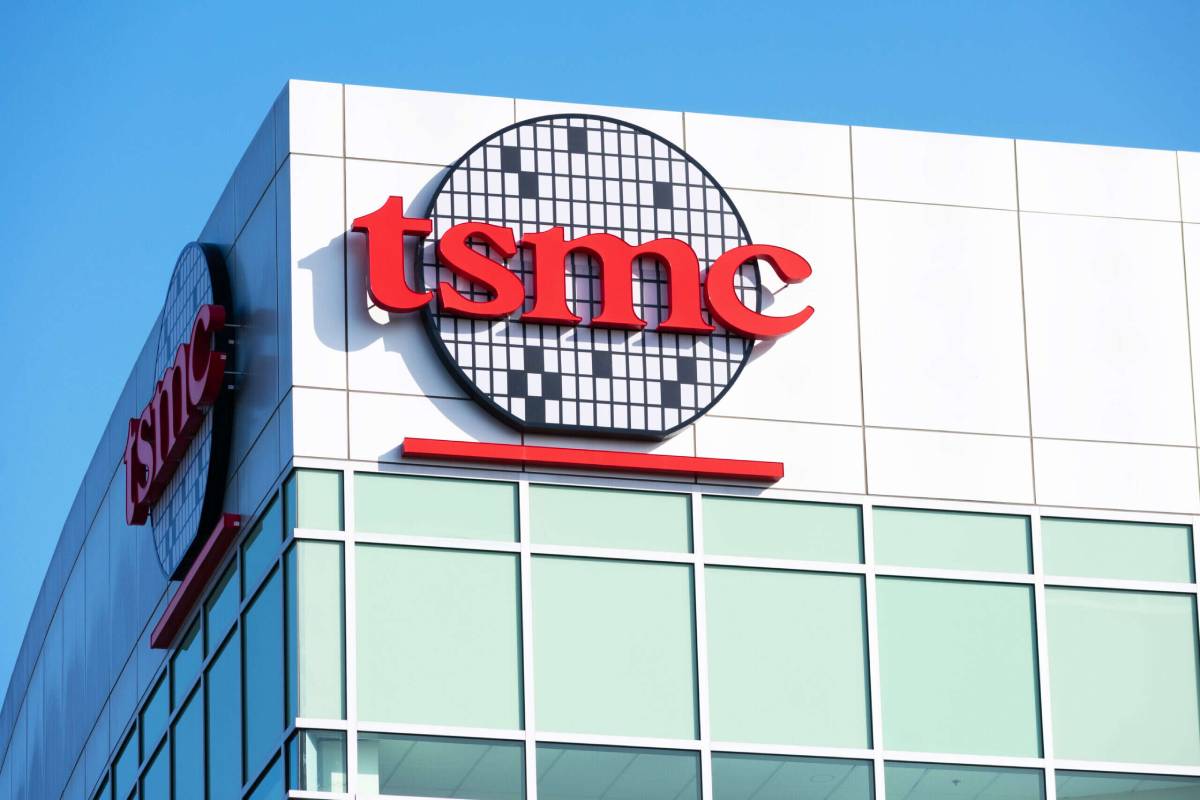
TSMC Forecasts 27% Q4 Profit Surge as AI-Driven Chip Demand Soars

Taiwan Semiconductor Manufacturing Company (TSMC) is projected to post a 27% jump in Q4 profits, driven by surging global demand for AI chips. The growth underscores the company’s

January 12, 2026
|

Taiwan Semiconductor Manufacturing Company (TSMC) is projected to post a 27% jump in Q4 profits, driven by surging global demand for AI chips. The growth underscores the company’s pivotal role in powering next-generation artificial intelligence applications, signalling critical implications for investors, tech supply chains, and global technology markets.

TSMC’s Q4 earnings are expected to reach record highs as orders for AI-optimized processors from major hyperscalers, cloud providers, and consumer electronics firms accelerate. The surge reflects strong demand for high-performance computing chips supporting generative AI, large language models, and enterprise AI deployments.

The company’s advanced 3nm and 5nm manufacturing nodes are particularly in demand, highlighting Taiwan’s strategic significance in the global semiconductor supply chain. Analysts note that TSMC’s growth has broader geopolitical relevance, as U.S.-China technology tensions amplify the importance of secure chip supply. Revenue forecasts and capacity expansion plans are under close scrutiny by global investors and policymakers alike.

TSMC’s anticipated profit surge aligns with a global trend of accelerating AI adoption across industries. Over the past two years, enterprises, cloud providers, and tech startups have increased spending on AI infrastructure, driving unprecedented demand for advanced semiconductors.

Historically, TSMC has maintained a leadership position by investing heavily in cutting-edge fabrication technology, making it the backbone of the global semiconductor ecosystem. The company’s dominance in high-end chips makes it a critical supplier for AI workloads, gaming, automotive, and data centers.

Geopolitical tensions, particularly between the U.S. and China, have amplified the strategic importance of Taiwan’s semiconductor industry. Supply chain resilience, export controls, and international partnerships are now as pivotal as technological prowess in shaping TSMC’s business trajectory. This positions the company at the intersection of innovation, commerce, and global policy considerations.

Analysts highlight TSMC’s unique advantage in meeting the soaring compute demands of AI applications. “Their 3nm and 5nm nodes are critical for high-performance AI chips, giving them pricing power and strategic leverage,” noted a leading semiconductor analyst.

Corporate executives and industry observers emphasize that TSMC’s growth is not only revenue-driven but also a bellwether for global AI deployment. Investors are closely monitoring TSMC’s capacity expansion plans, including new fabrication lines and investments in advanced packaging, as indicators of the broader technology sector’s health.

Policymakers are also watching, given the geopolitical implications of Taiwan’s semiconductor dominance. Experts warn that any disruption to TSMC’s operations could have cascading effects on AI projects worldwide, reinforcing the strategic importance of maintaining stable production and secure supply chains.

For businesses, TSMC’s growth highlights the urgency of securing advanced semiconductor supply for AI-driven operations. Companies dependent on high-performance computing must plan around potential capacity constraints and pricing pressures.

Investors can view TSMC as a bellwether for AI-related tech investments, while also considering geopolitical risks tied to Taiwan’s central role in chip manufacturing. Governments are increasingly focused on semiconductor security, with policies promoting domestic production, strategic reserves, and international collaboration. For global executives, the company’s trajectory underscores that technological advantage and supply chain resilience are now tightly linked to corporate strategy and national policy planning.

Looking ahead, TSMC’s performance will be shaped by continued AI adoption, production ramp-up efficiency, and geopolitical developments. Decision-makers should monitor chip supply trends, order backlogs, and regulatory measures affecting cross-border trade. While growth prospects remain strong, uncertainties in international relations and raw material availability could influence production and profitability. TSMC’s results will serve as a critical barometer for the health and trajectory of the global AI technology ecosystem.

Source & Date

Source: Reuters
Date: January 12, 2026

  • Featured tools
Tome AI
Free

Tome AI is an AI-powered storytelling and presentation tool designed to help users create compelling narratives and presentations quickly and efficiently. It leverages advanced AI technologies to generate content, images, and animations based on user input.

#
Presentation
#
Startup Tools
Learn more
Hostinger Website Builder
Paid

Hostinger Website Builder is a drag-and-drop website creator bundled with hosting and AI-powered tools, designed for businesses, blogs and small shops with minimal technical effort.It makes launching a site fast and affordable, with templates, responsive design and built-in hosting all in one.

#
Productivity
#
Startup Tools
#
Ecommerce
Learn more

Learn more about future of AI

Join 80,000+ Ai enthusiast getting weekly updates on exciting AI tools.
Thank you! Your submission has been received!
Oops! Something went wrong while submitting the form.

TSMC Forecasts 27% Q4 Profit Surge as AI-Driven Chip Demand Soars

January 12, 2026

Taiwan Semiconductor Manufacturing Company (TSMC) is projected to post a 27% jump in Q4 profits, driven by surging global demand for AI chips. The growth underscores the company’s

Taiwan Semiconductor Manufacturing Company (TSMC) is projected to post a 27% jump in Q4 profits, driven by surging global demand for AI chips. The growth underscores the company’s pivotal role in powering next-generation artificial intelligence applications, signalling critical implications for investors, tech supply chains, and global technology markets.

TSMC’s Q4 earnings are expected to reach record highs as orders for AI-optimized processors from major hyperscalers, cloud providers, and consumer electronics firms accelerate. The surge reflects strong demand for high-performance computing chips supporting generative AI, large language models, and enterprise AI deployments.

The company’s advanced 3nm and 5nm manufacturing nodes are particularly in demand, highlighting Taiwan’s strategic significance in the global semiconductor supply chain. Analysts note that TSMC’s growth has broader geopolitical relevance, as U.S.-China technology tensions amplify the importance of secure chip supply. Revenue forecasts and capacity expansion plans are under close scrutiny by global investors and policymakers alike.

TSMC’s anticipated profit surge aligns with a global trend of accelerating AI adoption across industries. Over the past two years, enterprises, cloud providers, and tech startups have increased spending on AI infrastructure, driving unprecedented demand for advanced semiconductors.

Historically, TSMC has maintained a leadership position by investing heavily in cutting-edge fabrication technology, making it the backbone of the global semiconductor ecosystem. The company’s dominance in high-end chips makes it a critical supplier for AI workloads, gaming, automotive, and data centers.

Geopolitical tensions, particularly between the U.S. and China, have amplified the strategic importance of Taiwan’s semiconductor industry. Supply chain resilience, export controls, and international partnerships are now as pivotal as technological prowess in shaping TSMC’s business trajectory. This positions the company at the intersection of innovation, commerce, and global policy considerations.

Analysts highlight TSMC’s unique advantage in meeting the soaring compute demands of AI applications. “Their 3nm and 5nm nodes are critical for high-performance AI chips, giving them pricing power and strategic leverage,” noted a leading semiconductor analyst.

Corporate executives and industry observers emphasize that TSMC’s growth is not only revenue-driven but also a bellwether for global AI deployment. Investors are closely monitoring TSMC’s capacity expansion plans, including new fabrication lines and investments in advanced packaging, as indicators of the broader technology sector’s health.

Policymakers are also watching, given the geopolitical implications of Taiwan’s semiconductor dominance. Experts warn that any disruption to TSMC’s operations could have cascading effects on AI projects worldwide, reinforcing the strategic importance of maintaining stable production and secure supply chains.

For businesses, TSMC’s growth highlights the urgency of securing advanced semiconductor supply for AI-driven operations. Companies dependent on high-performance computing must plan around potential capacity constraints and pricing pressures.

Investors can view TSMC as a bellwether for AI-related tech investments, while also considering geopolitical risks tied to Taiwan’s central role in chip manufacturing. Governments are increasingly focused on semiconductor security, with policies promoting domestic production, strategic reserves, and international collaboration. For global executives, the company’s trajectory underscores that technological advantage and supply chain resilience are now tightly linked to corporate strategy and national policy planning.

Looking ahead, TSMC’s performance will be shaped by continued AI adoption, production ramp-up efficiency, and geopolitical developments. Decision-makers should monitor chip supply trends, order backlogs, and regulatory measures affecting cross-border trade. While growth prospects remain strong, uncertainties in international relations and raw material availability could influence production and profitability. TSMC’s results will serve as a critical barometer for the health and trajectory of the global AI technology ecosystem.

Source & Date

Source: Reuters
Date: January 12, 2026

Promote Your Tool

Copy Embed Code

Similar Blogs

March 13, 2026
|

Alibaba Releases OpenClaw App in China AI Race

Alibaba has introduced the OpenClaw app, a platform designed to support the growing ecosystem of “agentic AI” systems capable of performing tasks autonomously with minimal human intervention.
Read more
March 13, 2026
|

Meta Adds AI Tools to Boost Facebook Marketplace

Meta has rolled out a suite of artificial intelligence features designed to make selling items on Facebook Marketplace faster and more efficient. The tools can automatically generate product descriptions.
Read more
March 13, 2026
|

Proprietary Data Emerges as Key Advantage in AI

Analysts at S&P Global report that software companies with extensive proprietary data assets are likely to remain resilient as artificial intelligence transforms the technology sector.
Read more
March 13, 2026
|

ByteDance Gains Access to Nvidia AI Chips

ByteDance has obtained access to Nvidia’s high-end AI chips, which are widely considered essential for training and running advanced artificial intelligence models.
Read more
March 13, 2026
|

China Leads Global Rise of Agentic AI Platforms

Chinese technology companies and developers are rapidly experimenting with OpenClaw, an open-source platform designed to create autonomous AI agents capable of performing tasks.
Read more
March 13, 2026
|

Meta Acquires Social Network to Grow AI Ecosystem

Meta confirmed that the Moltbook acquisition will bring AI agent networking capabilities into its portfolio, allowing autonomous AI entities to interact, share data, and perform tasks collaboratively.
Read more