
Sundar Pichai’s AI Remarks Resurface as Sentience Debate Reignites

A renewed global debate over artificial intelligence intensified as an old video of Google CEO Sundar Pichai discussing AI models developing “unexpected capabilities” resurfaced online.

February 2, 2026
|
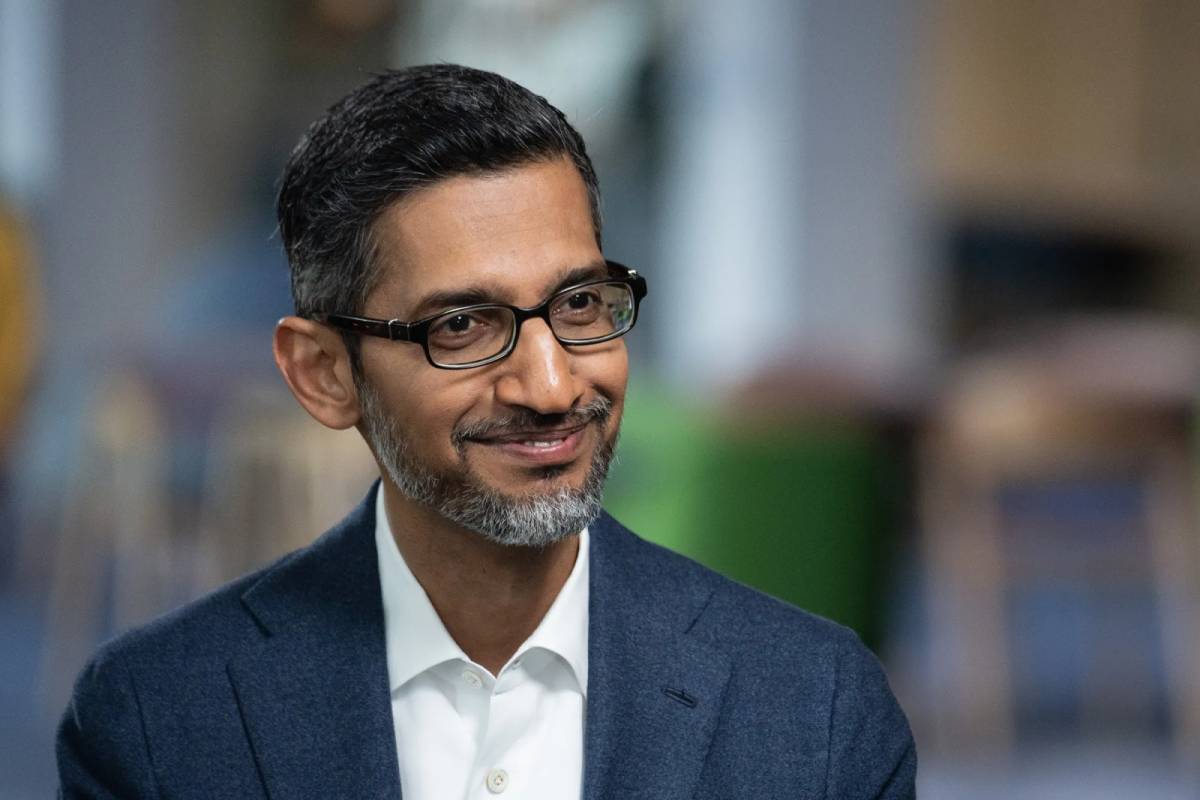
Google CEO Sundar Pichai

A renewed global debate over artificial intelligence intensified as an old video of Google CEO Sundar Pichai discussing AI models developing “unexpected capabilities” resurfaced online. The viral clip, circulating amid claims of sentient AI, has reignited concerns around transparency, governance, and accountability, with implications for technology leaders, policymakers, and global markets.

The resurfaced video features Pichai referencing instances where AI systems demonstrated capabilities not explicitly programmed, including language translation behaviors. The clip has gained traction alongside online claims suggesting AI may be approaching sentience, though Google has not endorsed such interpretations. The renewed attention comes as generative AI tools rapidly scale across consumer and enterprise applications. Industry observers note that the viral discussion reflects heightened public sensitivity around AI behavior and autonomy. While Google continues to emphasize responsible AI development, the episode highlights the growing gap between technical explanations and public perception, particularly as AI systems grow more complex and less easily interpretable.

The development aligns with a broader trend across global markets where rapid AI deployment is outpacing public understanding and regulatory clarity. Over the past decade, advances in large language models and self-learning systems have produced outputs that can appear emergent or autonomous to non-specialists. Previous controversies, including claims by former Google engineers about sentient AI, have amplified scrutiny of Big Tech’s research practices. Governments worldwide are now racing to establish AI governance frameworks, from the European Union’s AI Act to emerging regulatory discussions in the United States and Asia. Historically, transformative technologies often trigger similar cycles of fascination and fear, underscoring the importance of clear communication between developers, regulators, and society at large.

AI researchers caution that “unexpected capabilities” do not equate to consciousness, but rather reflect complex pattern recognition arising from large-scale training data. Industry analysts argue that viral narratives around sentience risk distorting public debate and could prompt reactionary regulation. Corporate leaders, including executives from major AI firms, have repeatedly stressed that current models lack self-awareness and intent. However, experts acknowledge that opacity in model behavior presents real governance challenges. From a geopolitical lens, the debate also intersects with global competition in AI leadership, as nations weigh innovation advantages against ethical and security risks. The resurfacing of Pichai’s remarks illustrates how legacy statements can acquire new significance in a rapidly shifting technological and social environment.

For businesses, the renewed debate underscores reputational and regulatory risks tied to AI deployment. Executives may need to strengthen communication strategies around AI capabilities and limitations to maintain trust among customers and investors. Policymakers face mounting pressure to clarify standards for transparency, explainability, and accountability in AI systems. Markets could see increased volatility if regulatory uncertainty escalates or public confidence erodes. Analysts warn that misinterpretations of AI behavior may accelerate calls for stricter oversight, potentially raising compliance costs for technology firms while reshaping innovation timelines across sectors.

Decision-makers should monitor how public discourse influences regulatory momentum and corporate governance around AI. Key uncertainties include the pace of policy intervention, the evolution of explainable AI tools, and how companies manage perception gaps. As AI systems continue to scale, balancing innovation with trust and clarity will remain a defining challenge for global technology leaders and regulators alike.

Source & Date

Source: NDTV
Date: February 2026

  • Featured tools
Hostinger Horizons
Freemium

Hostinger Horizons is an AI-powered platform that allows users to build and deploy custom web applications without writing code. It packs hosting, domain management and backend integration into a unified tool for rapid app creation.

#
Startup Tools
#
Coding
#
Project Management
Learn more
Murf Ai
Free

Murf AI Review – Advanced AI Voice Generator for Realistic Voiceovers

#
Text to Speech
Learn more

Learn more about future of AI

Join 80,000+ Ai enthusiast getting weekly updates on exciting AI tools.
Thank you! Your submission has been received!
Oops! Something went wrong while submitting the form.

Sundar Pichai’s AI Remarks Resurface as Sentience Debate Reignites

February 2, 2026

A renewed global debate over artificial intelligence intensified as an old video of Google CEO Sundar Pichai discussing AI models developing “unexpected capabilities” resurfaced online.

Google CEO Sundar Pichai

A renewed global debate over artificial intelligence intensified as an old video of Google CEO Sundar Pichai discussing AI models developing “unexpected capabilities” resurfaced online. The viral clip, circulating amid claims of sentient AI, has reignited concerns around transparency, governance, and accountability, with implications for technology leaders, policymakers, and global markets.

The resurfaced video features Pichai referencing instances where AI systems demonstrated capabilities not explicitly programmed, including language translation behaviors. The clip has gained traction alongside online claims suggesting AI may be approaching sentience, though Google has not endorsed such interpretations. The renewed attention comes as generative AI tools rapidly scale across consumer and enterprise applications. Industry observers note that the viral discussion reflects heightened public sensitivity around AI behavior and autonomy. While Google continues to emphasize responsible AI development, the episode highlights the growing gap between technical explanations and public perception, particularly as AI systems grow more complex and less easily interpretable.

The development aligns with a broader trend across global markets where rapid AI deployment is outpacing public understanding and regulatory clarity. Over the past decade, advances in large language models and self-learning systems have produced outputs that can appear emergent or autonomous to non-specialists. Previous controversies, including claims by former Google engineers about sentient AI, have amplified scrutiny of Big Tech’s research practices. Governments worldwide are now racing to establish AI governance frameworks, from the European Union’s AI Act to emerging regulatory discussions in the United States and Asia. Historically, transformative technologies often trigger similar cycles of fascination and fear, underscoring the importance of clear communication between developers, regulators, and society at large.

AI researchers caution that “unexpected capabilities” do not equate to consciousness, but rather reflect complex pattern recognition arising from large-scale training data. Industry analysts argue that viral narratives around sentience risk distorting public debate and could prompt reactionary regulation. Corporate leaders, including executives from major AI firms, have repeatedly stressed that current models lack self-awareness and intent. However, experts acknowledge that opacity in model behavior presents real governance challenges. From a geopolitical lens, the debate also intersects with global competition in AI leadership, as nations weigh innovation advantages against ethical and security risks. The resurfacing of Pichai’s remarks illustrates how legacy statements can acquire new significance in a rapidly shifting technological and social environment.

For businesses, the renewed debate underscores reputational and regulatory risks tied to AI deployment. Executives may need to strengthen communication strategies around AI capabilities and limitations to maintain trust among customers and investors. Policymakers face mounting pressure to clarify standards for transparency, explainability, and accountability in AI systems. Markets could see increased volatility if regulatory uncertainty escalates or public confidence erodes. Analysts warn that misinterpretations of AI behavior may accelerate calls for stricter oversight, potentially raising compliance costs for technology firms while reshaping innovation timelines across sectors.

Decision-makers should monitor how public discourse influences regulatory momentum and corporate governance around AI. Key uncertainties include the pace of policy intervention, the evolution of explainable AI tools, and how companies manage perception gaps. As AI systems continue to scale, balancing innovation with trust and clarity will remain a defining challenge for global technology leaders and regulators alike.

Source & Date

Source: NDTV
Date: February 2026

Promote Your Tool

Copy Embed Code

Similar Blogs

February 20, 2026
|

Sea and Google Forge AI Alliance for Southeast Asia

Sea Limited, parent of Shopee, has announced a partnership with Google to co develop AI powered solutions aimed at improving customer experience, operational efficiency, and digital engagement across its platforms.
Read more
February 20, 2026
|

AI Fuels Surge in Trade Secret Theft Alarms

Recent investigations and litigation trends indicate a marked increase in trade secret disputes, particularly in technology, advanced manufacturing, pharmaceuticals, and AI driven sectors.
Read more
February 20, 2026
|

Nvidia Expands India Startup Bet, Strengthens AI Supply Chain

Nvidia is expanding programs aimed at supporting early stage AI startups in India through access to compute resources, technical mentorship, and ecosystem partnerships.
Read more
February 20, 2026
|

Pentagon Presses Anthropic to Expand Military AI Role

The Chief Technology Officer of the United States Department of Defense publicly encouraged Anthropic to “cross the Rubicon” and engage more directly in military AI use cases.
Read more
February 20, 2026
|

China Seedance 2.0 Jolts Hollywood, Signals AI Shift

Chinese developers unveiled Seedance 2.0, an advanced generative AI system capable of producing high quality video content that rivals professional studio output.
Read more
February 20, 2026
|

Google Unveils Gemini 3.1 Pro in Enterprise AI Race

Google introduced Gemini 3.1 Pro, positioning it as a performance upgrade designed for complex reasoning, coding, and enterprise scale applications.
Read more