
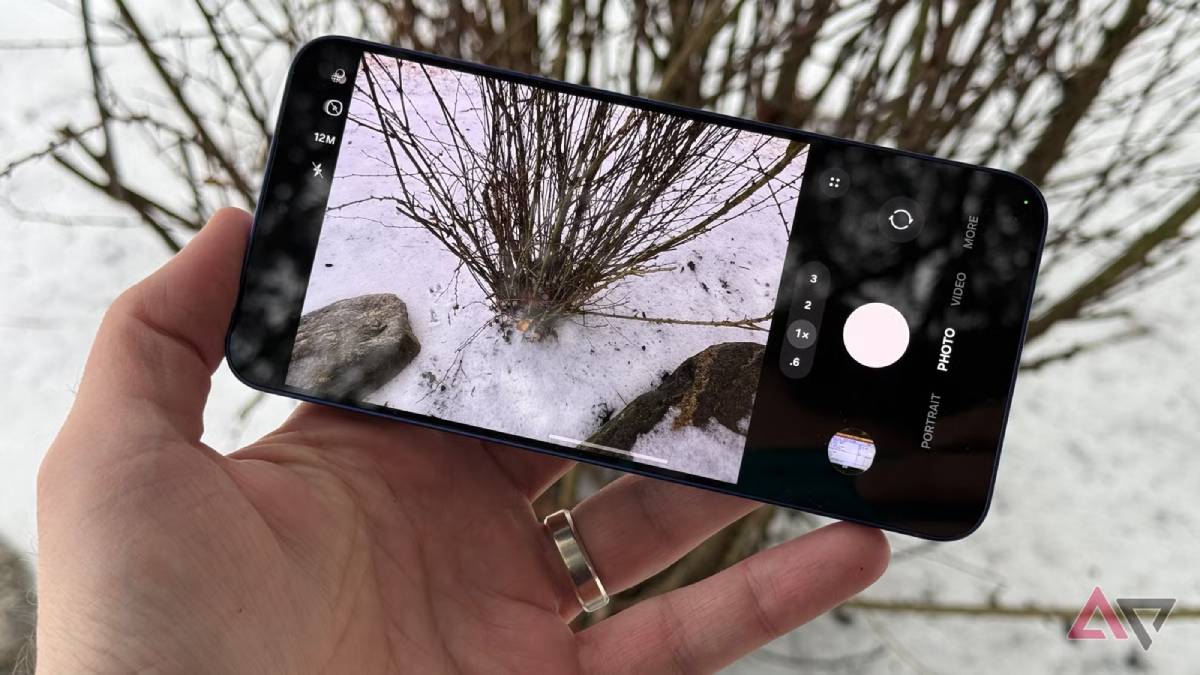
Samsung Positions Galaxy S26 as AI Imaging Powerhouse

Samsung has teased a new AI image editor designed to enhance photo manipulation capabilities directly on-device. The features are expected to include advanced object removal, scene enhancement.

February 18, 2026
|

A strategic product signal emerged as Samsung Electronics previewed an advanced AI-powered image editing suite for its upcoming Galaxy S26 smartphones. The move underscores intensifying competition in AI-driven mobile photography, with implications for consumer upgrades, semiconductor demand, and the broader smartphone innovation cycle.

Samsung has teased a new AI image editor designed to enhance photo manipulation capabilities directly on-device. The features are expected to include advanced object removal, scene enhancement, generative fill tools, and contextual image adjustments powered by integrated AI models.

The suite will reportedly debut with the Galaxy S26 lineup, positioning AI as a central differentiator in the premium smartphone segment. Development efforts indicate deeper integration between Samsung’s proprietary chips, camera sensors, and AI software stack.

Stakeholders include mobile chipset suppliers, app developers, content creators, and telecom carriers. The announcement signals Samsung’s intent to compete aggressively in AI-first mobile experiences as hardware upgrade cycles remain under pressure globally.

The development aligns with a broader industry pivot toward embedding generative AI into smartphones. As global handset growth slows, manufacturers are seeking software-driven innovation to stimulate demand and justify premium pricing.

AI-powered photography has become a key battleground, with brands competing on computational imaging rather than purely hardware specifications. On-device AI processing is increasingly prioritized to address latency, privacy, and connectivity limitations.

The Galaxy S series has historically served as Samsung’s flagship innovation platform, often setting benchmarks in display, camera, and semiconductor performance. By centering AI editing tools within the S26 launch, Samsung is reinforcing the narrative that the future of smartphones lies in intelligent, context-aware experiences rather than incremental hardware upgrades alone.

Industry analysts view Samsung’s move as part of a broader recalibration of smartphone value propositions. Experts suggest that AI-driven creative tools may resonate strongly with social media users and content creators seeking real-time editing capabilities.

Company executives have emphasized seamless integration between hardware and AI software, signaling a focus on optimized performance and battery efficiency. Observers note that leveraging proprietary chipsets could allow Samsung to differentiate from competitors reliant on third-party AI processing frameworks.

Market analysts caution that while AI features generate marketing momentum, sustained consumer adoption will depend on reliability, ease of use, and tangible improvements over existing editing apps. Nevertheless, many agree that AI functionality is becoming a baseline expectation in flagship devices.

For smartphone manufacturers, the escalation in AI features raises the competitive threshold for premium devices. Suppliers of sensors, memory, and AI accelerators may see increased demand as device makers optimize for on-device processing.

Investors will monitor whether AI-centric upgrades can reinvigorate global smartphone sales and improve margins. Telecom operators may leverage AI capabilities as marketing hooks to drive 5G device adoption.

From a regulatory perspective, enhanced AI image manipulation tools may prompt renewed scrutiny around misinformation and synthetic media. Policymakers could revisit disclosure requirements for AI-edited images as generative capabilities expand.

The Galaxy S26 launch will test whether AI imaging can meaningfully accelerate upgrade cycles. Decision-makers should watch consumer response, competitor feature rollouts, and semiconductor supply alignment. As smartphones evolve into AI companions, the race to deliver seamless, on-device intelligence may define the next phase of mobile industry leadership.

Source: Mashable
Date: February 2026

  • Featured tools
Upscayl AI
Free

Upscayl AI is a free, open-source AI-powered tool that enhances and upscales images to higher resolutions. It transforms blurry or low-quality visuals into sharp, detailed versions with ease.

#
Productivity
Learn more
Figstack AI
Free

Figstack AI is an intelligent assistant for developers that explains code, generates docstrings, converts code between languages, and analyzes time complexity helping you work smarter, not harder.

#
Coding
Learn more

Learn more about future of AI

Join 80,000+ Ai enthusiast getting weekly updates on exciting AI tools.
Thank you! Your submission has been received!
Oops! Something went wrong while submitting the form.

Samsung Positions Galaxy S26 as AI Imaging Powerhouse

February 18, 2026

Samsung has teased a new AI image editor designed to enhance photo manipulation capabilities directly on-device. The features are expected to include advanced object removal, scene enhancement.

A strategic product signal emerged as Samsung Electronics previewed an advanced AI-powered image editing suite for its upcoming Galaxy S26 smartphones. The move underscores intensifying competition in AI-driven mobile photography, with implications for consumer upgrades, semiconductor demand, and the broader smartphone innovation cycle.

Samsung has teased a new AI image editor designed to enhance photo manipulation capabilities directly on-device. The features are expected to include advanced object removal, scene enhancement, generative fill tools, and contextual image adjustments powered by integrated AI models.

The suite will reportedly debut with the Galaxy S26 lineup, positioning AI as a central differentiator in the premium smartphone segment. Development efforts indicate deeper integration between Samsung’s proprietary chips, camera sensors, and AI software stack.

Stakeholders include mobile chipset suppliers, app developers, content creators, and telecom carriers. The announcement signals Samsung’s intent to compete aggressively in AI-first mobile experiences as hardware upgrade cycles remain under pressure globally.

The development aligns with a broader industry pivot toward embedding generative AI into smartphones. As global handset growth slows, manufacturers are seeking software-driven innovation to stimulate demand and justify premium pricing.

AI-powered photography has become a key battleground, with brands competing on computational imaging rather than purely hardware specifications. On-device AI processing is increasingly prioritized to address latency, privacy, and connectivity limitations.

The Galaxy S series has historically served as Samsung’s flagship innovation platform, often setting benchmarks in display, camera, and semiconductor performance. By centering AI editing tools within the S26 launch, Samsung is reinforcing the narrative that the future of smartphones lies in intelligent, context-aware experiences rather than incremental hardware upgrades alone.

Industry analysts view Samsung’s move as part of a broader recalibration of smartphone value propositions. Experts suggest that AI-driven creative tools may resonate strongly with social media users and content creators seeking real-time editing capabilities.

Company executives have emphasized seamless integration between hardware and AI software, signaling a focus on optimized performance and battery efficiency. Observers note that leveraging proprietary chipsets could allow Samsung to differentiate from competitors reliant on third-party AI processing frameworks.

Market analysts caution that while AI features generate marketing momentum, sustained consumer adoption will depend on reliability, ease of use, and tangible improvements over existing editing apps. Nevertheless, many agree that AI functionality is becoming a baseline expectation in flagship devices.

For smartphone manufacturers, the escalation in AI features raises the competitive threshold for premium devices. Suppliers of sensors, memory, and AI accelerators may see increased demand as device makers optimize for on-device processing.

Investors will monitor whether AI-centric upgrades can reinvigorate global smartphone sales and improve margins. Telecom operators may leverage AI capabilities as marketing hooks to drive 5G device adoption.

From a regulatory perspective, enhanced AI image manipulation tools may prompt renewed scrutiny around misinformation and synthetic media. Policymakers could revisit disclosure requirements for AI-edited images as generative capabilities expand.

The Galaxy S26 launch will test whether AI imaging can meaningfully accelerate upgrade cycles. Decision-makers should watch consumer response, competitor feature rollouts, and semiconductor supply alignment. As smartphones evolve into AI companions, the race to deliver seamless, on-device intelligence may define the next phase of mobile industry leadership.

Source: Mashable
Date: February 2026

Promote Your Tool

Copy Embed Code

Similar Blogs

February 18, 2026
|

Cadence Beats Earnings as AI Chip Design Surges

Cadence exceeded Wall Street estimates for both revenue and earnings, citing robust orders for its electronic design automation (EDA) software used in developing advanced semiconductors.
Read more
February 18, 2026
|

Asian Markets Advance AI Volatility Oil Stabilizes on Diplomacy

Major Asian indices posted gains, supported by selective buying in technology and export-driven stocks, even as investors remained cautious about elevated AI-sector valuations.
Read more
February 18, 2026
|

Palo Alto Networks Shares Slide on Weak Forecast

Palo Alto Networks reported quarterly results that met or modestly exceeded expectations, but its forward revenue and billings guidance failed to excite investors.
Read more
February 18, 2026
|

EU Launches Fresh Probe Into Grok AI Images

Ireland’s data protection authorities the lead regulator for many major tech firms operating in the EU are examining whether Grok’s image-generation capabilities may have facilitated the creation or dissemination of nonconsensual AI-generated content.
Read more
February 18, 2026
|

Tesla Rolls Out Grok AI in Europe Amid Scrutiny

Tesla is introducing Grok originally launched on X into its vehicles in the UK and broader European markets through over-the-air software updates.
Read more
February 18, 2026
|

Meta Secures Patent for Posthumous AI Avatars

The patent describes a large language model (LLM) trained on a user’s historical posts, messages, and multimedia data to generate future content that mirrors their voice and personality even after they are deceased.
Read more