
Samsung Leak Hints at Wide Foldable Galaxy Z Design

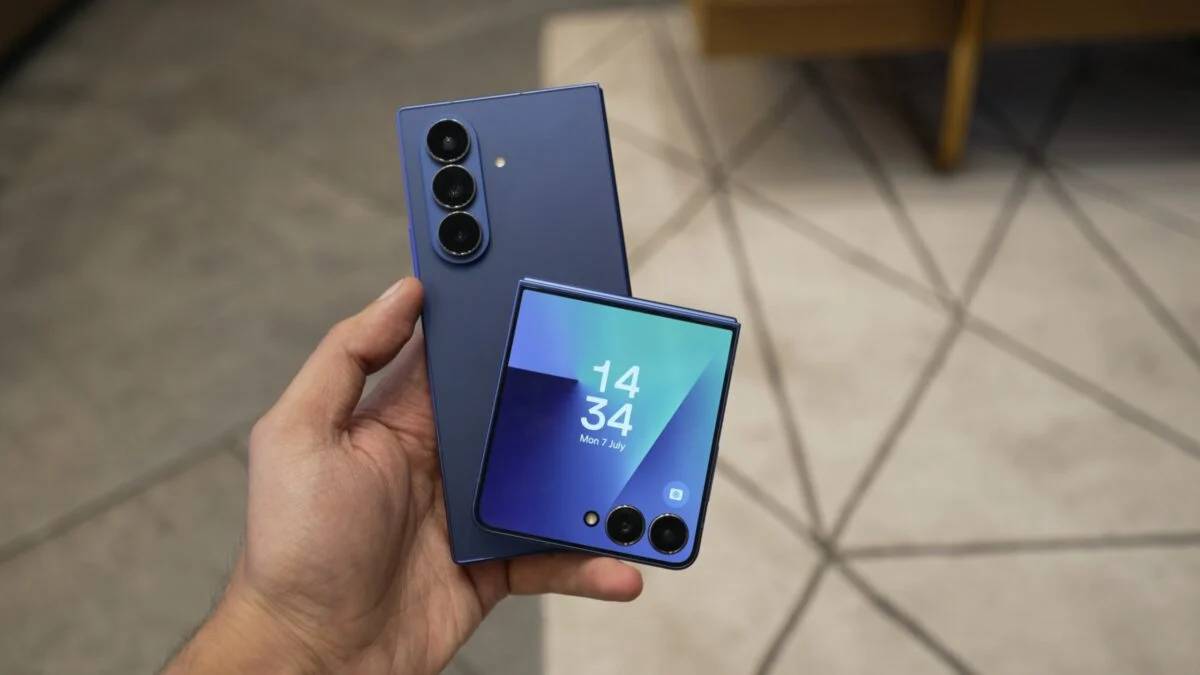
Reports based on leaked dummy units indicate that Samsung is exploring a wider foldable design, possibly for the upcoming Galaxy Z Fold 8 lineup. The prototype suggests a shift in aspect ratio aimed at improving multitasking and productivity use cases.

April 28, 2026
|
Image Source: https://www.sammobile.com

New leaks suggest that Samsung Electronics is developing a wider foldable device that may be optimized for AI platforms and advanced AI frameworks. The design shift signals a deeper integration of artificial intelligence into mobile hardware strategy, with implications for device usability, developer ecosystems, and premium smartphone competition.

Leaked dummy units indicate Samsung is testing a wider foldable form factor, potentially for the next Galaxy Z Fold generation. The design reportedly emphasizes improved multitasking, with closer alignment to AI platforms and AI framework-driven applications.

While not officially confirmed, the prototype suggests Samsung is preparing its foldable lineup for more AI-centric workloads, including on-device intelligence and agent-based interactions. The device is expected to evolve within the 2026–2027 product roadmap.

This iteration reflects Samsung’s continued push to merge hardware innovation with AI-driven software experiences, positioning foldables as productivity-centric AI devices rather than just display innovations.

The development aligns with a broader trend across global markets where smartphones are increasingly being designed around AI platforms and AI frameworks rather than traditional app ecosystems. As generative AI and on-device intelligence expand, hardware manufacturers are adapting form factors to support more complex AI-driven workflows.

Companies like Samsung Electronics, Apple, and Google are embedding AI capabilities directly into operating systems and devices, shifting toward integrated AI-first experiences.

Foldables, in particular, offer expanded screen real estate that can enhance AI-assisted multitasking, real-time summarization, and agent-based productivity tools. This positions them as natural candidates for next-generation AI framework integration, especially in enterprise and creative use cases where screen flexibility and computational intelligence converge.

Industry analysts suggest that combining foldable hardware with AI platforms could redefine mobile productivity, enabling richer interactions with AI agents, dynamic workflows, and context-aware applications. Experts highlight that AI frameworks running on-device could reduce latency and improve personalization.

Technology observers note that Samsung’s strategy reflects a broader industry transition toward AI-native devices, where hardware is designed around AI capabilities rather than retrofitted for them. However, challenges remain in optimizing performance, battery efficiency, and developer adoption.

Analysts also emphasize that success will depend on how effectively Samsung enables developers to build for AI frameworks across foldable interfaces. Without strong ecosystem support, even advanced hardware may struggle to achieve mainstream adoption in the competitive smartphone market.

For businesses, the integration of AI platforms into foldable devices could reshape mobile application design, pushing developers toward AI-first and framework-compatible experiences. Enterprises may increasingly adopt foldables for productivity-heavy workflows enhanced by AI agents.

Investors could view Samsung’s strategy as part of a broader convergence between hardware innovation and AI ecosystem expansion. Meanwhile, policymakers may need to consider evolving standards around on-device AI processing, data privacy, and cross-border AI deployment.

For global executives, the shift reinforces the importance of aligning digital strategies with emerging AI-native hardware ecosystems. Looking ahead, Samsung’s next foldable launch will be closely watched for confirmation of AI platform integration and AI framework support. Key uncertainties include pricing, developer adoption, and real-world performance benefits.

Decision-makers should monitor how quickly AI-native device ecosystems mature. If successful, foldables could evolve into primary interfaces for AI-driven computing, reshaping mobile productivity and user interaction models.

Source: The Verge
Date: April 2026

  • Featured tools
Writesonic AI
Free

Writesonic AI is a versatile AI writing platform designed for marketers, entrepreneurs, and content creators. It helps users create blog posts, ad copies, product descriptions, social media posts, and more with ease. With advanced AI models and user-friendly tools, Writesonic streamlines content production and saves time for busy professionals.

#
Copywriting
Learn more
Murf Ai
Free

Murf AI Review – Advanced AI Voice Generator for Realistic Voiceovers

#
Text to Speech
Learn more

Learn more about future of AI

Join 80,000+ Ai enthusiast getting weekly updates on exciting AI tools.
Thank you! Your submission has been received!
Oops! Something went wrong while submitting the form.

Samsung Leak Hints at Wide Foldable Galaxy Z Design

April 28, 2026

Reports based on leaked dummy units indicate that Samsung is exploring a wider foldable design, possibly for the upcoming Galaxy Z Fold 8 lineup. The prototype suggests a shift in aspect ratio aimed at improving multitasking and productivity use cases.

Image Source: https://www.sammobile.com

New leaks suggest that Samsung Electronics is developing a wider foldable device that may be optimized for AI platforms and advanced AI frameworks. The design shift signals a deeper integration of artificial intelligence into mobile hardware strategy, with implications for device usability, developer ecosystems, and premium smartphone competition.

Leaked dummy units indicate Samsung is testing a wider foldable form factor, potentially for the next Galaxy Z Fold generation. The design reportedly emphasizes improved multitasking, with closer alignment to AI platforms and AI framework-driven applications.

While not officially confirmed, the prototype suggests Samsung is preparing its foldable lineup for more AI-centric workloads, including on-device intelligence and agent-based interactions. The device is expected to evolve within the 2026–2027 product roadmap.

This iteration reflects Samsung’s continued push to merge hardware innovation with AI-driven software experiences, positioning foldables as productivity-centric AI devices rather than just display innovations.

The development aligns with a broader trend across global markets where smartphones are increasingly being designed around AI platforms and AI frameworks rather than traditional app ecosystems. As generative AI and on-device intelligence expand, hardware manufacturers are adapting form factors to support more complex AI-driven workflows.

Companies like Samsung Electronics, Apple, and Google are embedding AI capabilities directly into operating systems and devices, shifting toward integrated AI-first experiences.

Foldables, in particular, offer expanded screen real estate that can enhance AI-assisted multitasking, real-time summarization, and agent-based productivity tools. This positions them as natural candidates for next-generation AI framework integration, especially in enterprise and creative use cases where screen flexibility and computational intelligence converge.

Industry analysts suggest that combining foldable hardware with AI platforms could redefine mobile productivity, enabling richer interactions with AI agents, dynamic workflows, and context-aware applications. Experts highlight that AI frameworks running on-device could reduce latency and improve personalization.

Technology observers note that Samsung’s strategy reflects a broader industry transition toward AI-native devices, where hardware is designed around AI capabilities rather than retrofitted for them. However, challenges remain in optimizing performance, battery efficiency, and developer adoption.

Analysts also emphasize that success will depend on how effectively Samsung enables developers to build for AI frameworks across foldable interfaces. Without strong ecosystem support, even advanced hardware may struggle to achieve mainstream adoption in the competitive smartphone market.

For businesses, the integration of AI platforms into foldable devices could reshape mobile application design, pushing developers toward AI-first and framework-compatible experiences. Enterprises may increasingly adopt foldables for productivity-heavy workflows enhanced by AI agents.

Investors could view Samsung’s strategy as part of a broader convergence between hardware innovation and AI ecosystem expansion. Meanwhile, policymakers may need to consider evolving standards around on-device AI processing, data privacy, and cross-border AI deployment.

For global executives, the shift reinforces the importance of aligning digital strategies with emerging AI-native hardware ecosystems. Looking ahead, Samsung’s next foldable launch will be closely watched for confirmation of AI platform integration and AI framework support. Key uncertainties include pricing, developer adoption, and real-world performance benefits.

Decision-makers should monitor how quickly AI-native device ecosystems mature. If successful, foldables could evolve into primary interfaces for AI-driven computing, reshaping mobile productivity and user interaction models.

Source: The Verge
Date: April 2026

Promote Your Tool

Copy Embed Code

Similar Blogs

April 28, 2026
|

Amazon Kindle Paperwhite Gets Price Cut Ahead Demand

The latest deal on the Kindle Paperwhite includes a $25 discount, alongside features such as waterproofing and glare-free display technology. The promotion is positioned to capture seasonal demand during the Mother’s Day shopping period.
Read more
April 28, 2026
|

Google I/O 2026 Focuses on AI Platforms

Google I/O 2026 is anticipated to highlight new AI-driven products, updates to developer tools, and expanded capabilities across its AI platforms.
Read more
April 28, 2026
|

Xreal Cuts One Pro Price, Boosting AR Competition

Xreal has permanently reduced the price of its One Pro AR glasses, aiming to improve accessibility and broaden consumer adoption of its augmented reality ecosystem.
Read more
April 28, 2026
|

Canonical Integrates AI into Ubuntu Ecosystem

Canonical has detailed plans to embed AI functionality directly into Ubuntu, focusing on enhancing developer productivity, system automation, and intelligent system management.
Read more
April 28, 2026
|

Google Tests AI Chat Search for YouTube Discovery Shift

Google is experimenting with an AI chatbot integrated into YouTube search, allowing users to ask natural language questions and receive contextual video recommendations.
Read more
April 28, 2026
|

Turtle Beach Launches Touchscreen Gaming Mouse

The new Turtle Beach mouse, part of its Command Series, integrates a built-in touchscreen alongside traditional input controls. The device is designed to offer customizable commands and interface shortcuts for gamers.
Read more