
Nvidia Expands European AI Presence Through Strategic Startup Investments 2026

Nvidia accelerated its AI expansion in Europe in 2026, backing multiple startups focused on cutting-edge chip design, generative AI, and enterprise solutions. The investments underscore the company’s strategic.

January 27, 2026
|

Nvidia accelerated its AI expansion in Europe in 2026, backing multiple startups focused on cutting-edge chip design, generative AI, and enterprise solutions. The investments underscore the company’s strategic push to consolidate technological leadership, foster innovation across the continent, and influence global AI supply chains, signaling opportunities and competitive dynamics for investors, corporates, and policymakers.

  • Nvidia invested in a diverse portfolio of European AI startups in 2025, spanning sectors from semiconductors and robotics to generative AI and enterprise applications.
  • Funding rounds varied, including seed, Series A, and strategic minority stakes, with investments totaling hundreds of millions of dollars.
  • Key geographies included Germany, France, the UK, and the Nordics, reflecting a pan-European approach to AI ecosystem development.
  • Startups focused on AI hardware, high-performance computing, and software solutions were prioritized to align with Nvidia’s long-term chip and platform strategy.
  • Stakeholders impacted include investors, local tech ecosystems, multinational corporations seeking AI capabilities, and policymakers monitoring technology sovereignty and competitiveness.

Nvidia’s European investment strategy aligns with a broader global trend where leading tech firms are investing heavily in AI ecosystems to secure competitive advantage and technological sovereignty. Europe has emerged as a hub for AI innovation, bolstered by strong research institutions, startup-friendly policies, and growing venture capital activity. Historically, chip design and AI application development have been concentrated in the US and China; Nvidia’s push signals a strategic diversification into Europe, bridging talent, hardware, and software capabilities. This investment wave also intersects with geopolitical considerations, including EU efforts to reduce reliance on foreign technology and foster homegrown AI capabilities. For CXOs, executives, and policymakers, Nvidia’s actions highlight the continent’s potential as a strategic AI cluster, providing insights for corporate partnerships, investment strategies, and regulatory frameworks aimed at sustaining innovation while ensuring competitiveness.

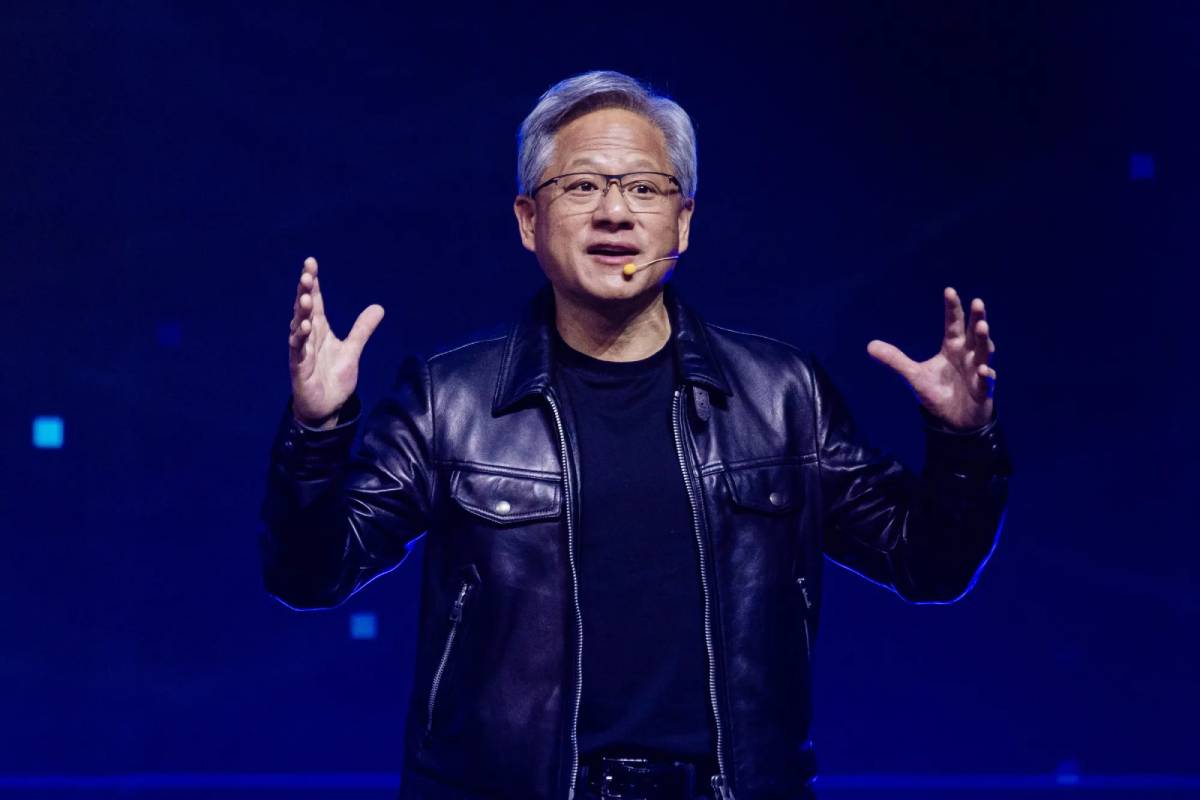
Industry analysts emphasize that Nvidia’s European strategy positions it at the forefront of global AI innovation. “Investing in startups across hardware and software strengthens Nvidia’s ecosystem and accelerates next-generation AI adoption,” said a senior technology analyst. Nvidia CEO Jensen Huang has stated that Europe’s talent pool and research capabilities are central to long-term innovation objectives. Startup founders report that backing from a leading chipmaker provides not just capital, but technical guidance and market access, accelerating growth trajectories. Venture capital observers note that such strategic investments often catalyze broader funding rounds and partnerships. Policymakers and industry leaders recognize that fostering AI startups enhances regional technological sovereignty, boosts employment in high-value sectors, and increases global competitiveness. Collectively, the moves underline the critical role of private investment in shaping Europe’s AI landscape.

For global executives, Nvidia’s European investments highlight the importance of aligning with AI innovation hubs and leveraging strategic partnerships. Companies may explore collaborations with AI startups to access advanced chip technologies and enterprise AI solutions. Investors are likely to monitor Nvidia-backed startups as early indicators of high-growth opportunities. Governments and regulators should consider frameworks that support AI research, funding, and industrial competitiveness while addressing data security and technology sovereignty. Consumers and enterprise users stand to benefit from faster adoption of AI-enhanced products and services. Strategic foresight in AI adoption, partnership cultivation, and regulatory engagement will be critical to capitalize on emerging opportunities across Europe’s evolving AI ecosystem.

Nvidia’s European investment trajectory is expected to continue expanding through 2026, targeting high-potential startups in AI hardware, generative AI, and enterprise applications. Decision-makers should monitor technology adoption trends, partnership opportunities, and regulatory policies shaping Europe’s AI landscape. Uncertainties remain around geopolitical constraints, supply chain dependencies, and competitive responses from US and Chinese firms. Companies and investors that proactively align with Nvidia-backed innovation hubs are likely to secure strategic advantage in both AI technology and market positioning.

Source & Date

Source: CNBC
Date: January 26, 2026

  • Featured tools
Ai Fiesta
Paid

AI Fiesta is an all-in-one productivity platform that gives users access to multiple leading AI models through a single interface. It includes features like prompt enhancement, image generation, audio transcription and side-by-side model comparison.

#
Copywriting
#
Art Generator
Learn more
Hostinger Horizons
Freemium

Hostinger Horizons is an AI-powered platform that allows users to build and deploy custom web applications without writing code. It packs hosting, domain management and backend integration into a unified tool for rapid app creation.

#
Startup Tools
#
Coding
#
Project Management
Learn more

Learn more about future of AI

Join 80,000+ Ai enthusiast getting weekly updates on exciting AI tools.
Thank you! Your submission has been received!
Oops! Something went wrong while submitting the form.

Nvidia Expands European AI Presence Through Strategic Startup Investments 2026

January 27, 2026

Nvidia accelerated its AI expansion in Europe in 2026, backing multiple startups focused on cutting-edge chip design, generative AI, and enterprise solutions. The investments underscore the company’s strategic.

Nvidia accelerated its AI expansion in Europe in 2026, backing multiple startups focused on cutting-edge chip design, generative AI, and enterprise solutions. The investments underscore the company’s strategic push to consolidate technological leadership, foster innovation across the continent, and influence global AI supply chains, signaling opportunities and competitive dynamics for investors, corporates, and policymakers.

  • Nvidia invested in a diverse portfolio of European AI startups in 2025, spanning sectors from semiconductors and robotics to generative AI and enterprise applications.
  • Funding rounds varied, including seed, Series A, and strategic minority stakes, with investments totaling hundreds of millions of dollars.
  • Key geographies included Germany, France, the UK, and the Nordics, reflecting a pan-European approach to AI ecosystem development.
  • Startups focused on AI hardware, high-performance computing, and software solutions were prioritized to align with Nvidia’s long-term chip and platform strategy.
  • Stakeholders impacted include investors, local tech ecosystems, multinational corporations seeking AI capabilities, and policymakers monitoring technology sovereignty and competitiveness.

Nvidia’s European investment strategy aligns with a broader global trend where leading tech firms are investing heavily in AI ecosystems to secure competitive advantage and technological sovereignty. Europe has emerged as a hub for AI innovation, bolstered by strong research institutions, startup-friendly policies, and growing venture capital activity. Historically, chip design and AI application development have been concentrated in the US and China; Nvidia’s push signals a strategic diversification into Europe, bridging talent, hardware, and software capabilities. This investment wave also intersects with geopolitical considerations, including EU efforts to reduce reliance on foreign technology and foster homegrown AI capabilities. For CXOs, executives, and policymakers, Nvidia’s actions highlight the continent’s potential as a strategic AI cluster, providing insights for corporate partnerships, investment strategies, and regulatory frameworks aimed at sustaining innovation while ensuring competitiveness.

Industry analysts emphasize that Nvidia’s European strategy positions it at the forefront of global AI innovation. “Investing in startups across hardware and software strengthens Nvidia’s ecosystem and accelerates next-generation AI adoption,” said a senior technology analyst. Nvidia CEO Jensen Huang has stated that Europe’s talent pool and research capabilities are central to long-term innovation objectives. Startup founders report that backing from a leading chipmaker provides not just capital, but technical guidance and market access, accelerating growth trajectories. Venture capital observers note that such strategic investments often catalyze broader funding rounds and partnerships. Policymakers and industry leaders recognize that fostering AI startups enhances regional technological sovereignty, boosts employment in high-value sectors, and increases global competitiveness. Collectively, the moves underline the critical role of private investment in shaping Europe’s AI landscape.

For global executives, Nvidia’s European investments highlight the importance of aligning with AI innovation hubs and leveraging strategic partnerships. Companies may explore collaborations with AI startups to access advanced chip technologies and enterprise AI solutions. Investors are likely to monitor Nvidia-backed startups as early indicators of high-growth opportunities. Governments and regulators should consider frameworks that support AI research, funding, and industrial competitiveness while addressing data security and technology sovereignty. Consumers and enterprise users stand to benefit from faster adoption of AI-enhanced products and services. Strategic foresight in AI adoption, partnership cultivation, and regulatory engagement will be critical to capitalize on emerging opportunities across Europe’s evolving AI ecosystem.

Nvidia’s European investment trajectory is expected to continue expanding through 2026, targeting high-potential startups in AI hardware, generative AI, and enterprise applications. Decision-makers should monitor technology adoption trends, partnership opportunities, and regulatory policies shaping Europe’s AI landscape. Uncertainties remain around geopolitical constraints, supply chain dependencies, and competitive responses from US and Chinese firms. Companies and investors that proactively align with Nvidia-backed innovation hubs are likely to secure strategic advantage in both AI technology and market positioning.

Source & Date

Source: CNBC
Date: January 26, 2026

Promote Your Tool

Copy Embed Code

Similar Blogs

January 27, 2026
|

Nvidia Expands European AI Presence Through Strategic Startup Investments 2026

Nvidia accelerated its AI expansion in Europe in 2026, backing multiple startups focused on cutting-edge chip design, generative AI, and enterprise solutions. The investments underscore the company’s strategic.
Read more
January 27, 2026
|

Google Cloud Teams with Formula E to Drive AI Racing

Formula E, as a global electric racing series, has consistently positioned itself at the intersection of motorsports, sustainability, and technology. The integration of AI through Google Cloud reflects a broader trend in sports.
Read more
January 27, 2026
|

ChatGPT’s Grokipedia Sourcing Sparks AI Reliability, Governance Questions

A report revealed that OpenAI’s ChatGPT has repeatedly cited Elon Musk’s Grokipedia as a source, sparking scrutiny over AI reliability, source validation, and content governance.
Read more
January 27, 2026
|

India Stays Structural Overweight Amid AI Growth, Investor Surge

India’s structural overweight status reflects a broader trend in emerging markets where technological adoption and demographic advantages drive sustained economic and capital market growth.
Read more
January 27, 2026
|

China Shifts AI Trade Focus from Infrastructure to High Value Applications

China’s AI trade strategy is transitioning from heavy investment in infrastructure to prioritizing application-driven technologies. The shift targets high-value sectors including healthcare, finance.
Read more
January 27, 2026
|

Malaysian Ringgit & Stocks Surge on AI Optimism

Malaysia’s recent market surge aligns with a broader Southeast Asian trend where technology adoption, particularly in AI, is reshaping economic trajectories. Regional economies are leveraging AI.
Read more