



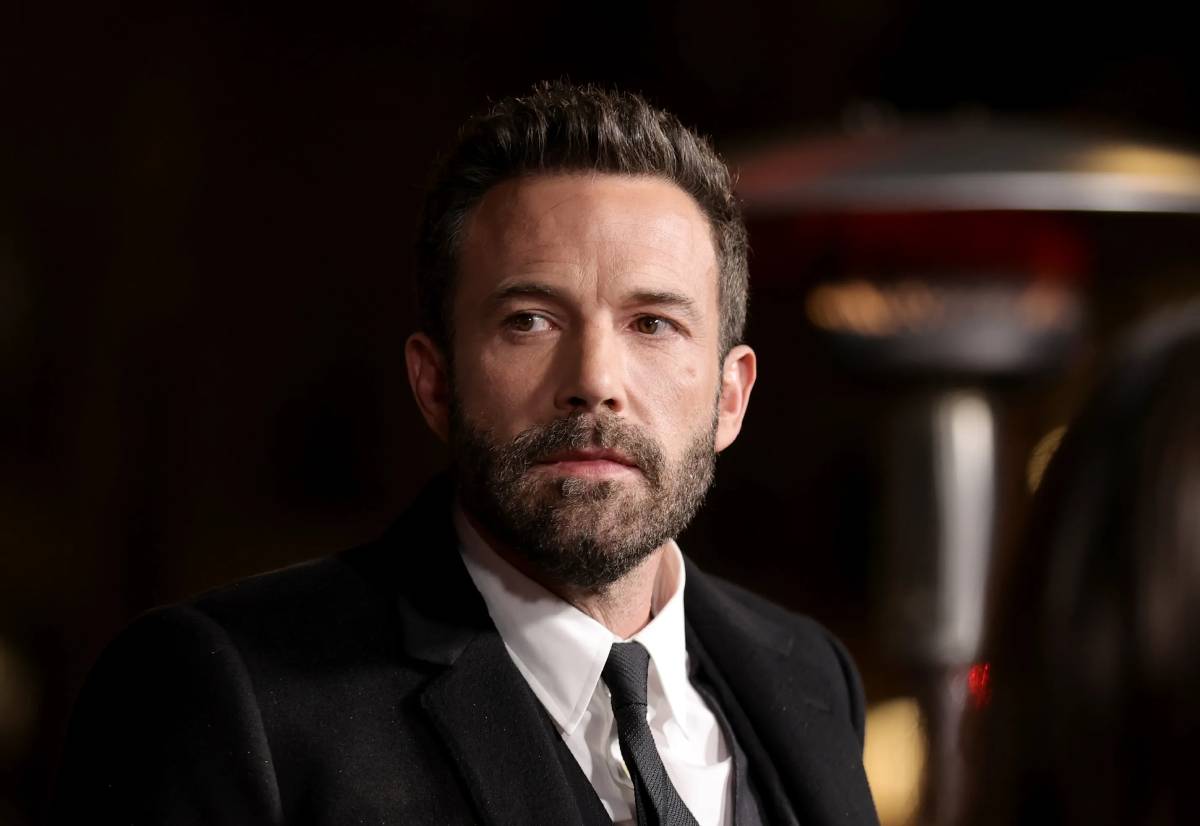
A significant development in the entertainment and technology sectors has emerged as Netflix moves to acquire an artificial intelligence startup linked to actor and filmmaker Ben Affleck. The deal, reportedly valued at up to $600 million, signals the streaming giant’s growing investment in AI-driven production tools and content innovation.
Netflix is reportedly in advanced discussions to acquire an AI-focused company associated with Ben Affleck, with the deal potentially reaching $600 million. The acquisition reflects the streaming platform’s push to integrate advanced artificial intelligence tools into its production and creative workflows.
The AI firm is believed to be developing technology designed to assist with filmmaking processes, including visual effects, editing, and content creation. By incorporating such tools, Netflix aims to streamline production while improving efficiency and scalability across its global content operations.
The potential acquisition underscores the broader race among major entertainment companies to leverage AI technologies to reduce production costs and accelerate the creation of original programming.
Artificial intelligence is rapidly reshaping the global entertainment industry. Streaming platforms and studios are increasingly exploring how AI can support script development, visual effects production, editing workflows, and audience analytics.
Over the past several years, major technology and media companies have invested heavily in AI-powered tools capable of accelerating production timelines while reducing operational costs. The growing volume of original content required by streaming platforms has intensified interest in automation and data-driven creative processes.
The potential deal involving Ben Affleck’s AI venture reflects a broader shift where filmmakers and technology innovators are collaborating to create new production ecosystems. As streaming platforms compete for global audiences, integrating AI into creative pipelines could provide a strategic advantage in terms of speed, scalability, and cost management.
Industry analysts suggest the acquisition could represent a strategic milestone in the convergence of Hollywood and artificial intelligence technology. Experts argue that AI-driven production tools may soon become a core component of the entertainment industry’s infrastructure.
Media technology specialists say AI can assist filmmakers by automating labor-intensive tasks such as scene rendering, editing suggestions, and visual enhancements. While these technologies are unlikely to replace human creativity, they can significantly accelerate workflows and reduce costs.
At the same time, experts note that the rise of AI in entertainment has sparked ongoing debates about intellectual property, creative control, and the role of human artists in AI-assisted content production. Analysts expect media companies to adopt hybrid models where human creators collaborate with AI-powered tools to produce content more efficiently.
For the entertainment industry, the potential acquisition highlights how streaming platforms are investing in technology to maintain competitive advantages in a crowded global market. AI-powered production tools could allow studios to produce content faster and manage increasingly complex visual effects pipelines.
Investors are also closely monitoring the growing intersection between media and artificial intelligence. Technology-driven production capabilities may reshape cost structures across film and television industries.
From a policy perspective, the integration of AI into creative industries may prompt renewed discussions around copyright law, intellectual property rights, and labor protections for artists and production professionals.
Looking ahead, the potential deal signals that artificial intelligence could become a central pillar of the entertainment industry’s future. As streaming platforms compete for global audiences, investments in AI-driven creative infrastructure are expected to accelerate. Executives, filmmakers, and policymakers will be watching closely to see how the technology reshapes both production processes and the economics of global media.
Source: Bloomberg
Date: March 11, 2026


