
Netflix AI Experiment Triggers Ethical Reckoning in Streaming

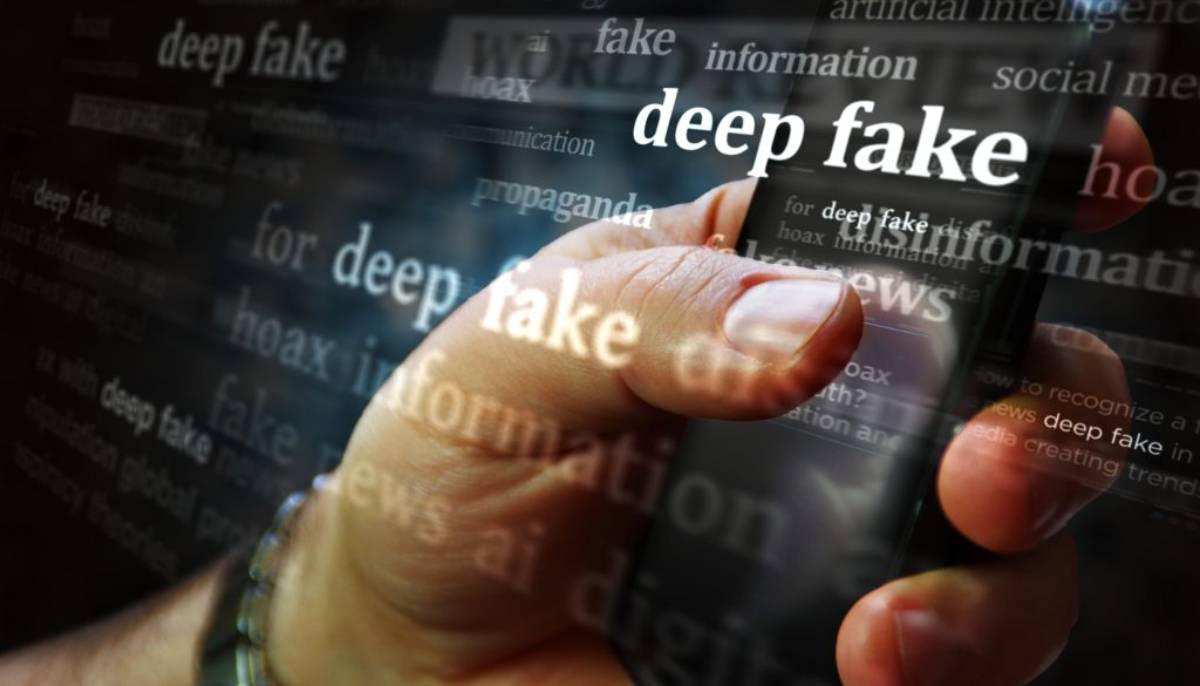
The criticism centres on Netflix’s reported use of AI deepfake technology to recreate voices or likenesses within true crime content, blurring the line between factual reconstruction and synthetic fabrication.

February 24, 2026
|

A major development unfolded as Netflix faced criticism over its use of AI-generated deepfakes in true crime storytelling, igniting debate over authenticity, ethics, and audience trust. The controversy signals a broader inflection point for global media companies navigating AI-driven production efficiencies without undermining credibility or cultural responsibility.

The criticism centres on Netflix’s reported use of AI deepfake technology to recreate voices or likenesses within true crime content, blurring the line between factual reconstruction and synthetic fabrication. Critics argue that deploying generative AI in non-fiction storytelling risks misleading audiences and distorting real events.

The move has drawn pushback from journalists, documentary filmmakers, and digital ethics advocates who warn that AI-generated material when insufficiently disclosed can erode trust in factual media. Netflix has not positioned the technology as deceptive, instead framing it as a creative or technical enhancement, but the backlash highlights growing sensitivity around AI use in reality-based content.

The development aligns with a broader trend across global media where AI is rapidly transforming content creation, post-production, localisation, and visual effects. Streaming platforms face rising production costs, intense competition, and pressure to scale content quickly conditions that make AI tools increasingly attractive.

However, true crime occupies a uniquely sensitive space. Unlike scripted entertainment, the genre relies on public trust, factual accuracy, and ethical responsibility to victims, families, and audiences. Previous controversies around reenactments, dramatization, and selective editing have already raised concerns about sensationalism.

The introduction of deepfake-style AI intensifies these debates, particularly as generative technologies become indistinguishable from real footage. Regulators and media watchdogs globally are only beginning to address how AI-generated content should be labelled, governed, or restricted in factual storytelling.

Media ethicists warn that AI deepfakes in true crime risk crossing a red line by manufacturing realism rather than documenting it. Even when used for reconstruction, synthetic media can reshape audience perception in ways that are difficult to reverse.

Industry analysts note that transparency is becoming a strategic necessity. Viewers may tolerate AI in fictional settings, but expectations are far higher for documentaries and investigative formats. Failure to disclose AI use clearly could expose platforms to reputational damage and regulatory scrutiny.

Content governance specialists argue that this controversy reflects a wider accountability gap: AI tools are advancing faster than editorial standards. Without clear internal guardrails, media companies risk outsourcing ethical judgment to algorithms optimized for efficiency, not truth.

For media companies, the episode underscores a critical business risk: audience trust is a core asset. Short-term cost savings from AI-driven production may be outweighed by long-term brand erosion if credibility is compromised.

Investors and advertisers are increasingly sensitive to reputational exposure linked to AI misuse. For policymakers, the case strengthens arguments for mandatory disclosure rules around synthetic media, particularly in news, documentaries, and educational content.

Executives must now treat AI governance as an editorial issue not just a technical or legal one embedding ethical oversight into content pipelines.

The controversy is likely to accelerate industry-wide conversations on AI labelling standards and ethical boundaries in non-fiction media. Decision-makers should watch for regulatory proposals, audience backlash metrics, and shifts in platform disclosure practices. As generative AI becomes more powerful, the defining challenge will be preserving trust in what audiences believe to be real.

Source: Newsweek
Date: February 2026

  • Featured tools
Copy Ai
Free

Copy AI is one of the most popular AI writing tools designed to help professionals create high-quality content quickly. Whether you are a product manager drafting feature descriptions or a marketer creating ad copy, Copy AI can save hours of work while maintaining creativity and tone.

#
Copywriting
Learn more
Tome AI
Free

Tome AI is an AI-powered storytelling and presentation tool designed to help users create compelling narratives and presentations quickly and efficiently. It leverages advanced AI technologies to generate content, images, and animations based on user input.

#
Presentation
#
Startup Tools
Learn more

Learn more about future of AI

Join 80,000+ Ai enthusiast getting weekly updates on exciting AI tools.
Thank you! Your submission has been received!
Oops! Something went wrong while submitting the form.

Netflix AI Experiment Triggers Ethical Reckoning in Streaming

February 24, 2026

The criticism centres on Netflix’s reported use of AI deepfake technology to recreate voices or likenesses within true crime content, blurring the line between factual reconstruction and synthetic fabrication.

A major development unfolded as Netflix faced criticism over its use of AI-generated deepfakes in true crime storytelling, igniting debate over authenticity, ethics, and audience trust. The controversy signals a broader inflection point for global media companies navigating AI-driven production efficiencies without undermining credibility or cultural responsibility.

The criticism centres on Netflix’s reported use of AI deepfake technology to recreate voices or likenesses within true crime content, blurring the line between factual reconstruction and synthetic fabrication. Critics argue that deploying generative AI in non-fiction storytelling risks misleading audiences and distorting real events.

The move has drawn pushback from journalists, documentary filmmakers, and digital ethics advocates who warn that AI-generated material when insufficiently disclosed can erode trust in factual media. Netflix has not positioned the technology as deceptive, instead framing it as a creative or technical enhancement, but the backlash highlights growing sensitivity around AI use in reality-based content.

The development aligns with a broader trend across global media where AI is rapidly transforming content creation, post-production, localisation, and visual effects. Streaming platforms face rising production costs, intense competition, and pressure to scale content quickly conditions that make AI tools increasingly attractive.

However, true crime occupies a uniquely sensitive space. Unlike scripted entertainment, the genre relies on public trust, factual accuracy, and ethical responsibility to victims, families, and audiences. Previous controversies around reenactments, dramatization, and selective editing have already raised concerns about sensationalism.

The introduction of deepfake-style AI intensifies these debates, particularly as generative technologies become indistinguishable from real footage. Regulators and media watchdogs globally are only beginning to address how AI-generated content should be labelled, governed, or restricted in factual storytelling.

Media ethicists warn that AI deepfakes in true crime risk crossing a red line by manufacturing realism rather than documenting it. Even when used for reconstruction, synthetic media can reshape audience perception in ways that are difficult to reverse.

Industry analysts note that transparency is becoming a strategic necessity. Viewers may tolerate AI in fictional settings, but expectations are far higher for documentaries and investigative formats. Failure to disclose AI use clearly could expose platforms to reputational damage and regulatory scrutiny.

Content governance specialists argue that this controversy reflects a wider accountability gap: AI tools are advancing faster than editorial standards. Without clear internal guardrails, media companies risk outsourcing ethical judgment to algorithms optimized for efficiency, not truth.

For media companies, the episode underscores a critical business risk: audience trust is a core asset. Short-term cost savings from AI-driven production may be outweighed by long-term brand erosion if credibility is compromised.

Investors and advertisers are increasingly sensitive to reputational exposure linked to AI misuse. For policymakers, the case strengthens arguments for mandatory disclosure rules around synthetic media, particularly in news, documentaries, and educational content.

Executives must now treat AI governance as an editorial issue not just a technical or legal one embedding ethical oversight into content pipelines.

The controversy is likely to accelerate industry-wide conversations on AI labelling standards and ethical boundaries in non-fiction media. Decision-makers should watch for regulatory proposals, audience backlash metrics, and shifts in platform disclosure practices. As generative AI becomes more powerful, the defining challenge will be preserving trust in what audiences believe to be real.

Source: Newsweek
Date: February 2026

Promote Your Tool

Copy Embed Code

Similar Blogs

March 2, 2026
|

Ideogram AI Boosts Visual Creativity, Revolutionizing Content Production

Ideogram AI leverages advanced generative algorithms to produce images from text prompts, offering customization, style transfer, and real-time iterative adjustments.
Read more
March 2, 2026
|

Pixelcut Rises as AI Photo Editing Powerhouse

Pixelcut, available via the Google Play Store, offers automated background removal, AI-generated product photography, image upscaling, and design templates tailored for social commerce.
Read more
March 2, 2026
|

Pony AI Hits Robotaxi Breakeven in Shenzhen

Pony.ai confirmed that its seventh-generation robotaxis reached UE (unit economics) breakeven in Shenzhen. The company attributed the milestone to improved hardware integration, lower sensor costs.
Read more
March 2, 2026
|

Scrutiny Grows Over Grok AI Amid Ethical Concerns

In commentary reported by AL.com, Gidley raised concerns regarding Grok AI’s responses and potential inconsistencies in politically sensitive contexts. The discussion centers on whether AI systems deployed on major digital platforms.
Read more
March 2, 2026
|

Investors Pivot as AI SaaS Hype Fades

A notable recalibration is unfolding in venture markets as investors signal waning appetite for hype-driven AI SaaS startups. Instead, capital is increasingly flowing toward companies demonstrating defensible technology.
Read more
March 2, 2026
|

Big Tech to Spend $655 Billion on AI

A sweeping capital surge is underway as the four largest U.S. technology companies prepare to spend a combined $655 billion on artificial intelligence infrastructure and development this year.
Read more