
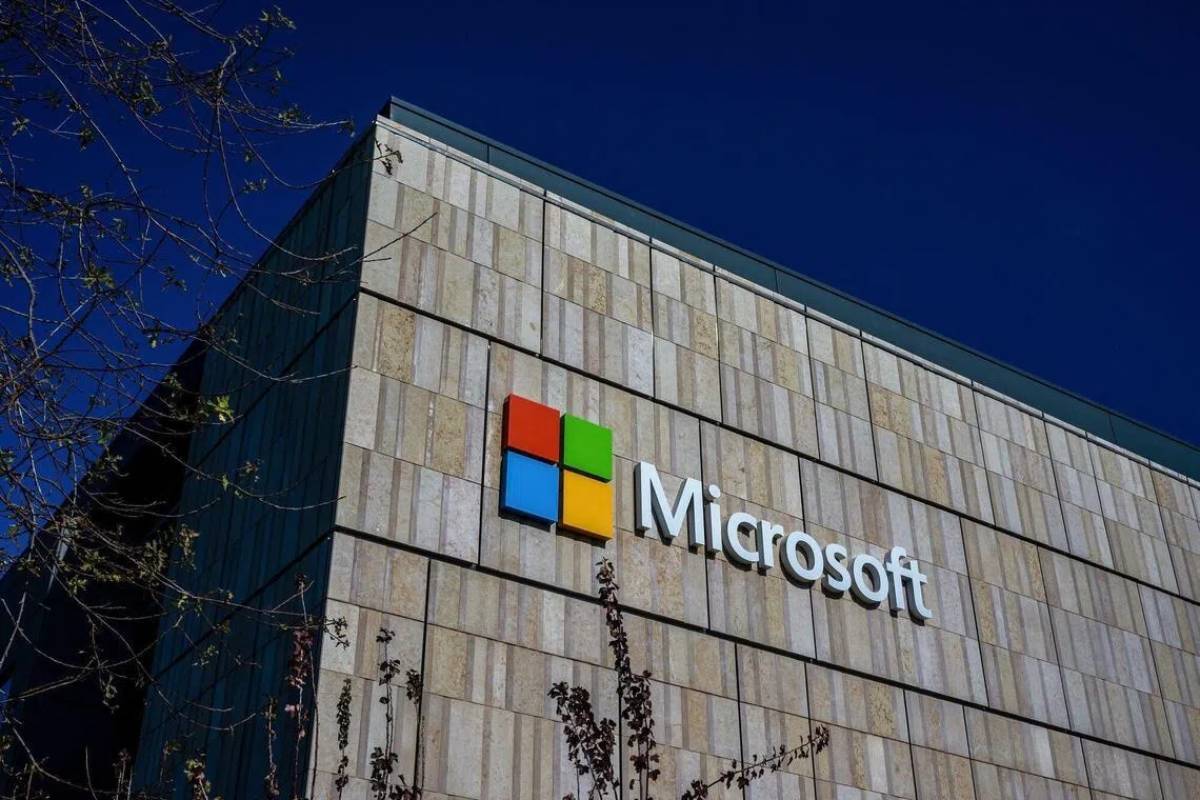
Microsoft Shares Dip Amid Surging AI Investment Push

Microsoft disclosed that its AI-related expenditure is expected to rise significantly in FY2026, focusing on large-scale deployments of generative AI tools in Azure and Office suites.

February 2, 2026
|

A major development unfolded as Microsoft’s stock fell sharply following announcements of accelerated AI investments. The surge in spending underscores the company’s aggressive push to integrate AI across products and cloud services, signaling both strategic ambition and short-term financial pressure. The move carries implications for investors, tech competitors, and enterprise clients globally.

Microsoft disclosed that its AI-related expenditure is expected to rise significantly in FY2026, focusing on large-scale deployments of generative AI tools in Azure and Office suites. The company’s shares slid by 4–5%, reflecting market concerns over elevated costs and margin pressures. CEO Satya Nadella highlighted that these investments are strategic for long-term growth, particularly to compete with OpenAI partnerships and other AI-first tech firms. Analysts note that while short-term profitability may be impacted, Microsoft’s AI push positions it at the forefront of enterprise AI adoption, cloud integration, and emerging generative AI markets.

The development aligns with a broader trend across global technology markets where generative AI and cloud AI services are driving both disruption and investment escalation. Microsoft, historically a dominant cloud and productivity player, is now seeking to lead in AI platforms, competing against Alphabet, Amazon, and OpenAI-powered solutions. Previous rounds of AI spending, including the multi-billion-dollar OpenAI investment, have already reshaped Microsoft’s R&D priorities and enterprise offerings. Economically, this signals a shift toward AI as a core growth engine, but also exposes the company to short-term volatility in profits and investor sentiment. Geopolitically, global AI competitiveness, data regulation, and cloud infrastructure expansion further heighten stakes, as tech giants race to set standards and capture market share in generative AI technologies.

Industry analysts describe Microsoft’s approach as “investing for leadership in AI-enabled enterprise solutions”, acknowledging the short-term pressure on margins. Spokespeople from the company underscored that higher AI spending is necessary to scale cloud infrastructure, ensure AI safety, and integrate large language models across products. Investors are closely monitoring the balance between innovation and profitability, with some cautioning that aggressive AI investments may lead to temporary earnings dips. Tech commentators highlight Microsoft’s commitment to AI ethics, responsible AI deployment, and partnership models, suggesting that these strategic bets could redefine cloud and productivity markets over the next five years. The stock market response reflects the tension between immediate financial performance and longer-term technological dominance.

For global executives, Microsoft’s increased AI spending signals an industry-wide acceleration in AI adoption, prompting competitors to reevaluate R&D budgets and deployment timelines. Investors may need to adjust expectations for short-term returns while considering long-term strategic gains in AI-driven revenue. Enterprises using Microsoft cloud services can anticipate faster AI integration and enhanced productivity tools. Policymakers may also need to assess AI infrastructure expansion, data privacy, and ethical deployment. Analysts warn that companies across sectors must reassess AI investments, partnerships, and operational strategies in response to Microsoft’s aggressive AI positioning.

Decision-makers should watch Microsoft’s AI-driven product launches, cloud adoption metrics, and cost-to-revenue impact. Market analysts will track how increased AI spending affects margins, investor sentiment, and competitive positioning against other AI platform leaders. Regulatory scrutiny, ethical AI compliance, and cloud expansion are potential uncertainties. Overall, Microsoft’s strategy underscores a high-stakes bet on generative AI as a cornerstone of future growth, with both risks and transformative opportunities.

Source & Date

Source: The Hindu
Date: January 29, 2026

  • Featured tools
Beautiful AI
Free

Beautiful AI is an AI-powered presentation platform that automates slide design and formatting, enabling users to create polished, on-brand presentations quickly.

#
Presentation
Learn more
Writesonic AI
Free

Writesonic AI is a versatile AI writing platform designed for marketers, entrepreneurs, and content creators. It helps users create blog posts, ad copies, product descriptions, social media posts, and more with ease. With advanced AI models and user-friendly tools, Writesonic streamlines content production and saves time for busy professionals.

#
Copywriting
Learn more

Learn more about future of AI

Join 80,000+ Ai enthusiast getting weekly updates on exciting AI tools.
Thank you! Your submission has been received!
Oops! Something went wrong while submitting the form.

Microsoft Shares Dip Amid Surging AI Investment Push

February 2, 2026

Microsoft disclosed that its AI-related expenditure is expected to rise significantly in FY2026, focusing on large-scale deployments of generative AI tools in Azure and Office suites.

A major development unfolded as Microsoft’s stock fell sharply following announcements of accelerated AI investments. The surge in spending underscores the company’s aggressive push to integrate AI across products and cloud services, signaling both strategic ambition and short-term financial pressure. The move carries implications for investors, tech competitors, and enterprise clients globally.

Microsoft disclosed that its AI-related expenditure is expected to rise significantly in FY2026, focusing on large-scale deployments of generative AI tools in Azure and Office suites. The company’s shares slid by 4–5%, reflecting market concerns over elevated costs and margin pressures. CEO Satya Nadella highlighted that these investments are strategic for long-term growth, particularly to compete with OpenAI partnerships and other AI-first tech firms. Analysts note that while short-term profitability may be impacted, Microsoft’s AI push positions it at the forefront of enterprise AI adoption, cloud integration, and emerging generative AI markets.

The development aligns with a broader trend across global technology markets where generative AI and cloud AI services are driving both disruption and investment escalation. Microsoft, historically a dominant cloud and productivity player, is now seeking to lead in AI platforms, competing against Alphabet, Amazon, and OpenAI-powered solutions. Previous rounds of AI spending, including the multi-billion-dollar OpenAI investment, have already reshaped Microsoft’s R&D priorities and enterprise offerings. Economically, this signals a shift toward AI as a core growth engine, but also exposes the company to short-term volatility in profits and investor sentiment. Geopolitically, global AI competitiveness, data regulation, and cloud infrastructure expansion further heighten stakes, as tech giants race to set standards and capture market share in generative AI technologies.

Industry analysts describe Microsoft’s approach as “investing for leadership in AI-enabled enterprise solutions”, acknowledging the short-term pressure on margins. Spokespeople from the company underscored that higher AI spending is necessary to scale cloud infrastructure, ensure AI safety, and integrate large language models across products. Investors are closely monitoring the balance between innovation and profitability, with some cautioning that aggressive AI investments may lead to temporary earnings dips. Tech commentators highlight Microsoft’s commitment to AI ethics, responsible AI deployment, and partnership models, suggesting that these strategic bets could redefine cloud and productivity markets over the next five years. The stock market response reflects the tension between immediate financial performance and longer-term technological dominance.

For global executives, Microsoft’s increased AI spending signals an industry-wide acceleration in AI adoption, prompting competitors to reevaluate R&D budgets and deployment timelines. Investors may need to adjust expectations for short-term returns while considering long-term strategic gains in AI-driven revenue. Enterprises using Microsoft cloud services can anticipate faster AI integration and enhanced productivity tools. Policymakers may also need to assess AI infrastructure expansion, data privacy, and ethical deployment. Analysts warn that companies across sectors must reassess AI investments, partnerships, and operational strategies in response to Microsoft’s aggressive AI positioning.

Decision-makers should watch Microsoft’s AI-driven product launches, cloud adoption metrics, and cost-to-revenue impact. Market analysts will track how increased AI spending affects margins, investor sentiment, and competitive positioning against other AI platform leaders. Regulatory scrutiny, ethical AI compliance, and cloud expansion are potential uncertainties. Overall, Microsoft’s strategy underscores a high-stakes bet on generative AI as a cornerstone of future growth, with both risks and transformative opportunities.

Source & Date

Source: The Hindu
Date: January 29, 2026

Promote Your Tool

Copy Embed Code

Similar Blogs

February 20, 2026
|

Sea and Google Forge AI Alliance for Southeast Asia

Sea Limited, parent of Shopee, has announced a partnership with Google to co develop AI powered solutions aimed at improving customer experience, operational efficiency, and digital engagement across its platforms.
Read more
February 20, 2026
|

AI Fuels Surge in Trade Secret Theft Alarms

Recent investigations and litigation trends indicate a marked increase in trade secret disputes, particularly in technology, advanced manufacturing, pharmaceuticals, and AI driven sectors.
Read more
February 20, 2026
|

Nvidia Expands India Startup Bet, Strengthens AI Supply Chain

Nvidia is expanding programs aimed at supporting early stage AI startups in India through access to compute resources, technical mentorship, and ecosystem partnerships.
Read more
February 20, 2026
|

Pentagon Presses Anthropic to Expand Military AI Role

The Chief Technology Officer of the United States Department of Defense publicly encouraged Anthropic to “cross the Rubicon” and engage more directly in military AI use cases.
Read more
February 20, 2026
|

China Seedance 2.0 Jolts Hollywood, Signals AI Shift

Chinese developers unveiled Seedance 2.0, an advanced generative AI system capable of producing high quality video content that rivals professional studio output.
Read more
February 20, 2026
|

Google Unveils Gemini 3.1 Pro in Enterprise AI Race

Google introduced Gemini 3.1 Pro, positioning it as a performance upgrade designed for complex reasoning, coding, and enterprise scale applications.
Read more