
Memory Costs Pressure Microsoft Surface Pricing

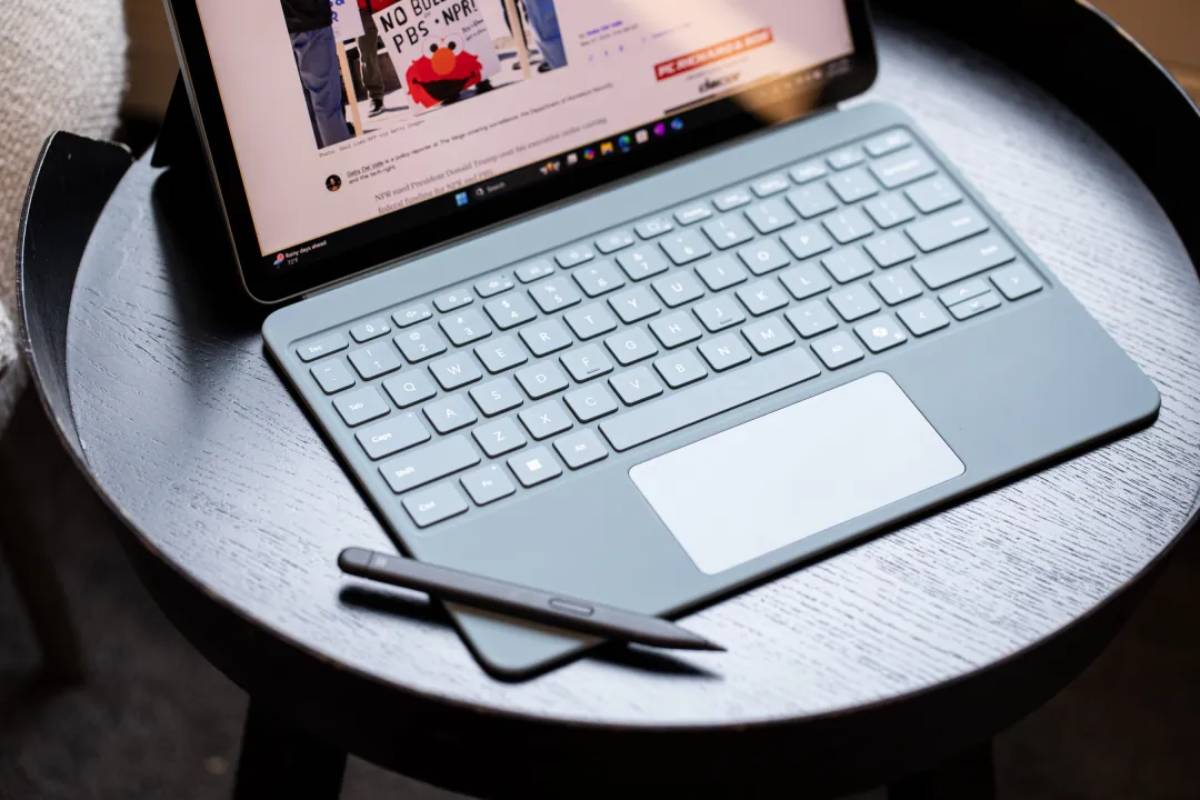
Microsoft’s Surface lineup is experiencing pricing adjustments driven by increased memory (RAM) costs, affecting both Surface Pro and Surface Laptop models.

April 14, 2026
|

A notable shift in the personal computing market is emerging as Microsoft adjusts its Surface Pro and Surface Laptop pricing amid rising memory costs. The development signals intensifying pressure across the PC industry, with implications for device affordability, hardware supply chains, and global demand for premium computing products.

Microsoft’s Surface lineup is experiencing pricing adjustments driven by increased memory (RAM) costs, affecting both Surface Pro and Surface Laptop models. The change reflects broader supply chain inflation impacting hardware components across the PC ecosystem.

Key stakeholders include PC manufacturers, component suppliers, enterprise buyers, and consumer markets. The pricing pressure highlights how memory shortages and rising semiconductor costs are influencing final retail pricing. It also underscores the sensitivity of premium device segments to component-level fluctuations, particularly in systems that rely on high-performance configurations for productivity and enterprise workloads.

The development aligns with a broader trend across global markets where hardware inflation is reshaping pricing strategies in the personal computing industry. Memory chips, including DRAM and NAND, remain highly cyclical commodities influenced by supply-demand imbalances and semiconductor manufacturing constraints.

Companies such as Dell and HP are also exposed to similar cost pressures across their PC portfolios. Historically, PC pricing has fluctuated in response to semiconductor cycles, but the current environment is increasingly influenced by AI workloads requiring higher memory capacities.

This shift reflects the intersection of hardware economics and AI-driven computing demand, where devices must support heavier workloads, increasing baseline specifications and pushing up overall system costs across enterprise and consumer segments.

Industry analysts suggest that rising memory costs could lead to a broader repricing cycle across the PC industry, particularly in premium and AI-ready devices. Experts note that increased RAM requirements for modern workloads are structurally elevating baseline hardware specifications.

Supply chain researchers highlight that memory production is highly concentrated, making pricing vulnerable to cyclical shortages and geopolitical constraints in semiconductor manufacturing hubs.

However, some analysts argue that premium device makers may offset costs through software integration, subscription services, and ecosystem bundling. While official positioning emphasizes product quality and performance improvements, experts caution that sustained memory inflation could compress margins and force manufacturers to rethink configuration strategies across multiple device tiers.

For global executives, this shift could redefine pricing and procurement strategies across the PC industry. Enterprises may reassess hardware refresh cycles as device costs rise due to memory inflation and higher AI-ready specifications.

Investors are likely to monitor semiconductor supply chains closely, particularly memory manufacturers, as key indicators of PC market stability. Governments may also pay attention to semiconductor supply resilience given its strategic importance in digital infrastructure.

The trend signals a broader structural linkage between AI-driven computing demand and rising baseline hardware costs across global technology ecosystems. Looking ahead, memory pricing volatility is expected to remain a key driver of PC market dynamics, particularly as AI workloads continue to increase hardware requirements. Decision-makers will monitor semiconductor supply cycles, demand trends, and enterprise upgrade behavior.

The key uncertainty remains whether supply expansion can stabilize memory costs amid accelerating AI-driven demand.

Source: The Verge
Date: April 2026

  • Featured tools
Beautiful AI
Free

Beautiful AI is an AI-powered presentation platform that automates slide design and formatting, enabling users to create polished, on-brand presentations quickly.

#
Presentation
Learn more
Tome AI
Free

Tome AI is an AI-powered storytelling and presentation tool designed to help users create compelling narratives and presentations quickly and efficiently. It leverages advanced AI technologies to generate content, images, and animations based on user input.

#
Presentation
#
Startup Tools
Learn more

Learn more about future of AI

Join 80,000+ Ai enthusiast getting weekly updates on exciting AI tools.
Thank you! Your submission has been received!
Oops! Something went wrong while submitting the form.

Memory Costs Pressure Microsoft Surface Pricing

April 14, 2026

Microsoft’s Surface lineup is experiencing pricing adjustments driven by increased memory (RAM) costs, affecting both Surface Pro and Surface Laptop models.

A notable shift in the personal computing market is emerging as Microsoft adjusts its Surface Pro and Surface Laptop pricing amid rising memory costs. The development signals intensifying pressure across the PC industry, with implications for device affordability, hardware supply chains, and global demand for premium computing products.

Microsoft’s Surface lineup is experiencing pricing adjustments driven by increased memory (RAM) costs, affecting both Surface Pro and Surface Laptop models. The change reflects broader supply chain inflation impacting hardware components across the PC ecosystem.

Key stakeholders include PC manufacturers, component suppliers, enterprise buyers, and consumer markets. The pricing pressure highlights how memory shortages and rising semiconductor costs are influencing final retail pricing. It also underscores the sensitivity of premium device segments to component-level fluctuations, particularly in systems that rely on high-performance configurations for productivity and enterprise workloads.

The development aligns with a broader trend across global markets where hardware inflation is reshaping pricing strategies in the personal computing industry. Memory chips, including DRAM and NAND, remain highly cyclical commodities influenced by supply-demand imbalances and semiconductor manufacturing constraints.

Companies such as Dell and HP are also exposed to similar cost pressures across their PC portfolios. Historically, PC pricing has fluctuated in response to semiconductor cycles, but the current environment is increasingly influenced by AI workloads requiring higher memory capacities.

This shift reflects the intersection of hardware economics and AI-driven computing demand, where devices must support heavier workloads, increasing baseline specifications and pushing up overall system costs across enterprise and consumer segments.

Industry analysts suggest that rising memory costs could lead to a broader repricing cycle across the PC industry, particularly in premium and AI-ready devices. Experts note that increased RAM requirements for modern workloads are structurally elevating baseline hardware specifications.

Supply chain researchers highlight that memory production is highly concentrated, making pricing vulnerable to cyclical shortages and geopolitical constraints in semiconductor manufacturing hubs.

However, some analysts argue that premium device makers may offset costs through software integration, subscription services, and ecosystem bundling. While official positioning emphasizes product quality and performance improvements, experts caution that sustained memory inflation could compress margins and force manufacturers to rethink configuration strategies across multiple device tiers.

For global executives, this shift could redefine pricing and procurement strategies across the PC industry. Enterprises may reassess hardware refresh cycles as device costs rise due to memory inflation and higher AI-ready specifications.

Investors are likely to monitor semiconductor supply chains closely, particularly memory manufacturers, as key indicators of PC market stability. Governments may also pay attention to semiconductor supply resilience given its strategic importance in digital infrastructure.

The trend signals a broader structural linkage between AI-driven computing demand and rising baseline hardware costs across global technology ecosystems. Looking ahead, memory pricing volatility is expected to remain a key driver of PC market dynamics, particularly as AI workloads continue to increase hardware requirements. Decision-makers will monitor semiconductor supply cycles, demand trends, and enterprise upgrade behavior.

The key uncertainty remains whether supply expansion can stabilize memory costs amid accelerating AI-driven demand.

Source: The Verge
Date: April 2026

Promote Your Tool

Copy Embed Code

Similar Blogs

April 14, 2026
|

Memory Costs Pressure Microsoft Surface Pricing

Microsoft’s Surface lineup is experiencing pricing adjustments driven by increased memory (RAM) costs, affecting both Surface Pro and Surface Laptop models.
Read more
April 14, 2026
|

AI Avatar Cloning Enters Creator Economy

The new AI avatar capability allows creators to generate digital replicas that can appear in videos, effectively enabling scalable content production without continuous on-camera presence. These avatars can mimic speech patterns, gestures, and presentation styles, streamlining video creation workflows.
Read more
April 14, 2026
|

Huawei Expands Foldable Smartphone Lead

Huawei’s latest foldable smartphone introduces a wider, tablet-like display format designed to enhance multitasking, productivity, and media consumption. The device expands the company’s foldable portfolio.
Read more
April 14, 2026
|

Google Cuts Pixel 10A Price Amid Android Rivalry

The Pixel 10A, positioned as a midrange smartphone within Google’s hardware lineup, is currently being offered at a discounted price point of $50 off.
Read more
April 14, 2026
|

AT&T Design Legacy Revisited via Western Electric 500

The Western Electric 500 telephone, developed under AT&T’s Bell System ecosystem, became one of the most widely used landline devices in history.
Read more
April 14, 2026
|

Microsoft Tests Autonomous Copilot AI Agents

Microsoft is reportedly experimenting with “OpenClaw-like” AI agents designed to extend Copilot’s functionality beyond simple assistance into autonomous task execution.
Read more