
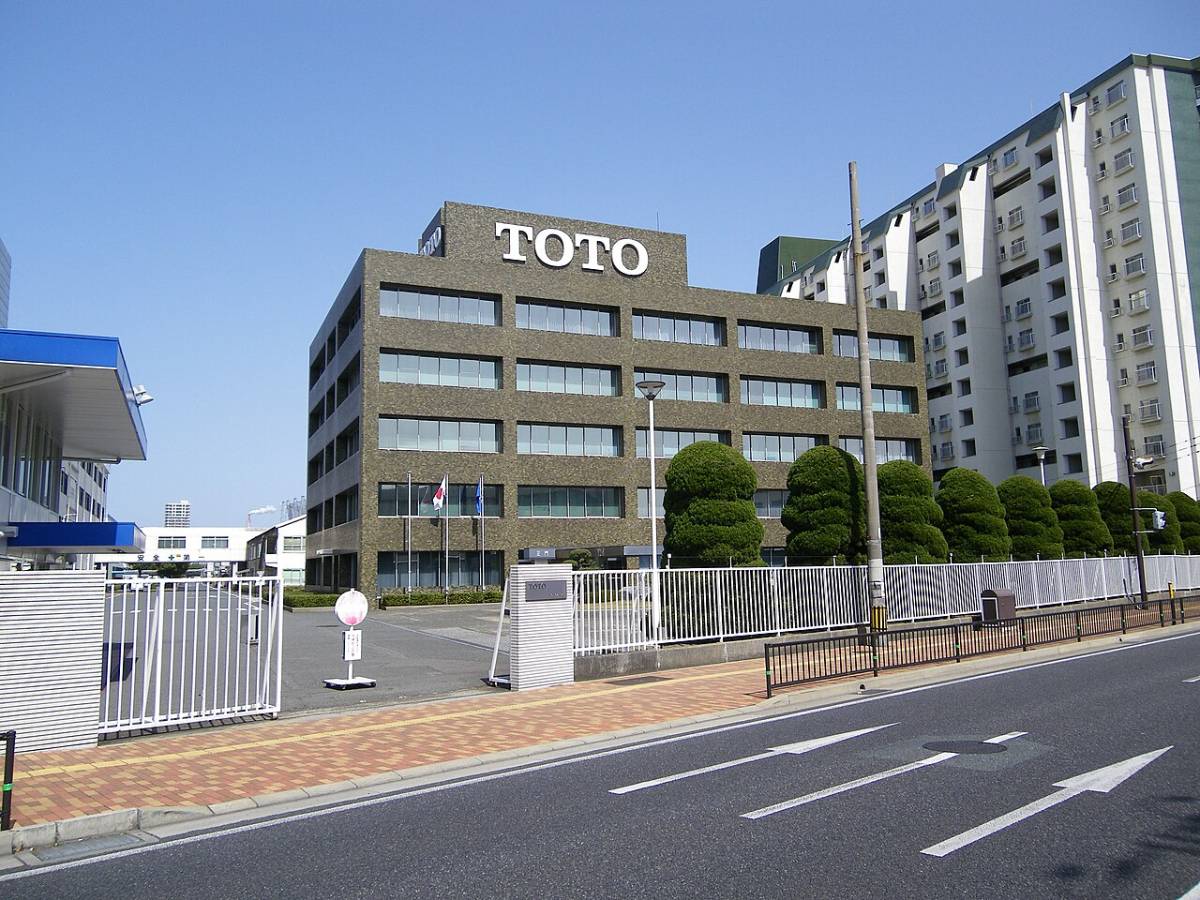
Japan Toto Rides AI Boom as Infrastructure Demand Surges

Toto’s share price has gained momentum as investors link the company to expanding data-centre construction driven by the AI boom. Large-scale AI infrastructure requires extensive water-efficient plumbing systems.

January 27, 2026
|

A major development unfolded in Japan’s equity markets as Toto, best known for toilets and bathroom fixtures, saw its shares rise on the back of the global AI investment surge. The rally underscores how artificial intelligence is reshaping demand far beyond technology firms, pulling traditional manufacturers into the AI value chain.

Toto’s share price has gained momentum as investors link the company to expanding data-centre construction driven by the AI boom. Large-scale AI infrastructure requires extensive water-efficient plumbing systems for cooling and operations, areas where Toto holds strong technological capabilities.

Market participants increasingly view the company as an indirect beneficiary of hyperscale data-centre expansion across Japan and overseas. The move reflects a broader investor reassessment of “old economy” firms supplying critical infrastructure for AI facilities. While Toto has not repositioned itself as an AI companies, its exposure to construction demand tied to digital infrastructure has become a key driver of recent stock performance.

The development aligns with a broader trend across global markets where AI investment is lifting companies far removed from software and semiconductors. As governments and corporations race to build data centres for generative AI and cloud computing, demand for power, water, cooling, and sanitation infrastructure has surged.
Japan, in particular, is accelerating domestic data-centre capacity as part of its digital transformation and economic security strategy. Water usage efficiency has emerged as a critical issue, with AI data centres consuming vast amounts of water for cooling. Toto’s long-standing expertise in water-saving technologies positions it as a quiet but strategic supplier in this ecosystem. Historically, infrastructure enablers from power equipment makers to construction materials firms have benefited during major technology buildouts, echoing past cycles such as telecom expansion and renewable energy growth.

Analysts suggest Toto’s rally reflects a growing market tendency to look beyond headline AI names and identify second-order beneficiaries. Infrastructure specialists note that sustainable water management is becoming a gating factor for data-centre approvals, elevating the role of companies with proven efficiency solutions.
Equity strategists caution that the upside is largely sentiment-driven at this stage, tied more to macro investment cycles than direct AI revenues. However, some argue that firms like Toto may enjoy more stable, long-term demand compared to volatile AI software plays.
While Toto has not issued AI-specific guidance, industry observers highlight that its product portfolio aligns with stricter environmental standards increasingly imposed on large digital infrastructure projects.

For global executives, the shift underscores how AI investment is reshaping supply chains well beyond technology firms. Construction, utilities, and industrial manufacturers may see renewed growth as AI infrastructure scales.

Investors are being pushed to rethink sector boundaries, identifying “AI-adjacent” exposure in traditional industries. For policymakers, the development reinforces the need to address water and energy constraints tied to AI expansion. Regulatory frameworks governing data centres may increasingly factor in sustainability metrics, indirectly shaping demand for advanced plumbing, cooling, and water management technologies.

Attention now turns to the durability of AI-driven infrastructure spending and whether companies like Toto can convert thematic interest into sustained earnings growth. Decision-makers will watch data-centre investment pipelines, environmental regulations, and capital expenditure trends. The key uncertainty remains whether this AI-linked boost represents a cyclical uplift or the start of a longer structural re-rating for infrastructure-focused manufacturers.

Source & Date

Source: Bloomberg
Date: January 22, 2026

  • Featured tools
Murf Ai
Free

Murf AI Review – Advanced AI Voice Generator for Realistic Voiceovers

#
Text to Speech
Learn more
Kreateable AI
Free

Kreateable AI is a white-label, AI-driven design platform that enables logo generation, social media posts, ads, and more for businesses, agencies, and service providers.

#
Logo Generator
Learn more

Learn more about future of AI

Join 80,000+ Ai enthusiast getting weekly updates on exciting AI tools.
Thank you! Your submission has been received!
Oops! Something went wrong while submitting the form.

Japan Toto Rides AI Boom as Infrastructure Demand Surges

January 27, 2026

Toto’s share price has gained momentum as investors link the company to expanding data-centre construction driven by the AI boom. Large-scale AI infrastructure requires extensive water-efficient plumbing systems.

A major development unfolded in Japan’s equity markets as Toto, best known for toilets and bathroom fixtures, saw its shares rise on the back of the global AI investment surge. The rally underscores how artificial intelligence is reshaping demand far beyond technology firms, pulling traditional manufacturers into the AI value chain.

Toto’s share price has gained momentum as investors link the company to expanding data-centre construction driven by the AI boom. Large-scale AI infrastructure requires extensive water-efficient plumbing systems for cooling and operations, areas where Toto holds strong technological capabilities.

Market participants increasingly view the company as an indirect beneficiary of hyperscale data-centre expansion across Japan and overseas. The move reflects a broader investor reassessment of “old economy” firms supplying critical infrastructure for AI facilities. While Toto has not repositioned itself as an AI companies, its exposure to construction demand tied to digital infrastructure has become a key driver of recent stock performance.

The development aligns with a broader trend across global markets where AI investment is lifting companies far removed from software and semiconductors. As governments and corporations race to build data centres for generative AI and cloud computing, demand for power, water, cooling, and sanitation infrastructure has surged.
Japan, in particular, is accelerating domestic data-centre capacity as part of its digital transformation and economic security strategy. Water usage efficiency has emerged as a critical issue, with AI data centres consuming vast amounts of water for cooling. Toto’s long-standing expertise in water-saving technologies positions it as a quiet but strategic supplier in this ecosystem. Historically, infrastructure enablers from power equipment makers to construction materials firms have benefited during major technology buildouts, echoing past cycles such as telecom expansion and renewable energy growth.

Analysts suggest Toto’s rally reflects a growing market tendency to look beyond headline AI names and identify second-order beneficiaries. Infrastructure specialists note that sustainable water management is becoming a gating factor for data-centre approvals, elevating the role of companies with proven efficiency solutions.
Equity strategists caution that the upside is largely sentiment-driven at this stage, tied more to macro investment cycles than direct AI revenues. However, some argue that firms like Toto may enjoy more stable, long-term demand compared to volatile AI software plays.
While Toto has not issued AI-specific guidance, industry observers highlight that its product portfolio aligns with stricter environmental standards increasingly imposed on large digital infrastructure projects.

For global executives, the shift underscores how AI investment is reshaping supply chains well beyond technology firms. Construction, utilities, and industrial manufacturers may see renewed growth as AI infrastructure scales.

Investors are being pushed to rethink sector boundaries, identifying “AI-adjacent” exposure in traditional industries. For policymakers, the development reinforces the need to address water and energy constraints tied to AI expansion. Regulatory frameworks governing data centres may increasingly factor in sustainability metrics, indirectly shaping demand for advanced plumbing, cooling, and water management technologies.

Attention now turns to the durability of AI-driven infrastructure spending and whether companies like Toto can convert thematic interest into sustained earnings growth. Decision-makers will watch data-centre investment pipelines, environmental regulations, and capital expenditure trends. The key uncertainty remains whether this AI-linked boost represents a cyclical uplift or the start of a longer structural re-rating for infrastructure-focused manufacturers.

Source & Date

Source: Bloomberg
Date: January 22, 2026

Promote Your Tool

Copy Embed Code

Similar Blogs

February 13, 2026
|

Capgemini Bets on AI, Digital Sovereignty for Growth

Capgemini signaled that investments in artificial intelligence solutions and sovereign technology frameworks will be central to its medium-term expansion strategy.
Read more
February 13, 2026
|

Amazon Enters Bear Market as Pressure Mounts on Tech Giants

Amazon’s shares have fallen more than 20% from their recent peak, meeting the technical definition of a bear market. The slide reflects mounting investor caution around high-growth technology stocks.
Read more
February 13, 2026
|

AI.com Soars From ₹300 Registration to ₹634 Crore Asset

The domain AI.com was originally acquired decades ago for a nominal registration fee, reportedly around ₹300. As artificial intelligence evolved from a niche academic field into a multi-trillion-dollar global industry.
Read more
February 13, 2026
|

Spotify Engineers Shift to AI as Coding Model Rewritten

A major shift in software engineering unfolded as Spotify revealed that many of its top developers have not written traditional code since December, relying instead on artificial intelligence tools.
Read more
February 13, 2026
|

Apple Loses $200 Billion as AI Anxiety Rattles Big Tech

Apple shares slid sharply following renewed concerns that the company may be lagging peers in deploying advanced generative AI capabilities across its ecosystem. The decline erased approximately $200 billion in market value in a single trading session.
Read more
February 13, 2026
|

NVIDIA Expands Latin America Push With AI Day

NVIDIA executives highlighted demand for high-performance GPUs, AI frameworks, and cloud-based compute solutions powering sectors such as finance, healthcare, energy, and agribusiness.
Read more