



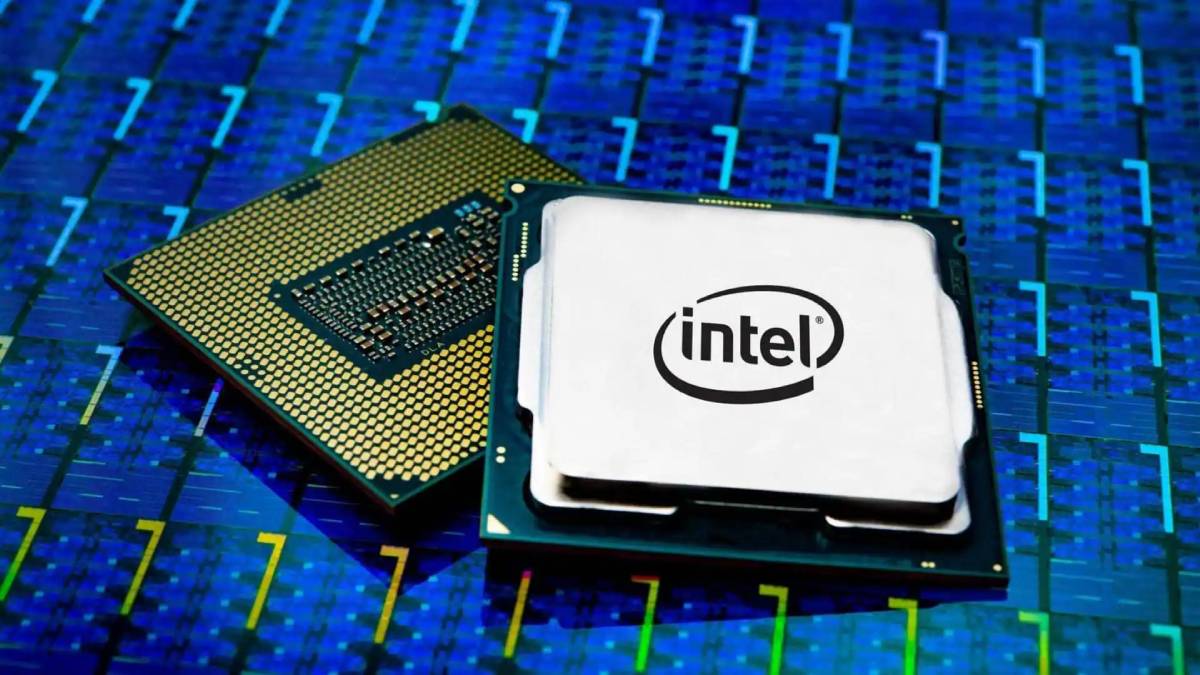
A major development unfolded as Intel announced plans to develop high-performance GPUs targeting AI workloads and gaming applications. The move positions Intel to compete directly with NVIDIA, signalling a strategic expansion into next-generation compute markets with global implications for AI infrastructure, gaming technology, and semiconductor supply chains.
Intel’s GPU initiative will focus on AI training and inference, alongside high-end gaming graphics. The company aims to release its first GPU series over the next two years, leveraging its Xe architecture and advanced semiconductor fabrication capabilities.
Executives highlight that this strategy targets both enterprise AI customers and consumer gaming markets, potentially reshaping competitive dynamics in the GPU segment. Analysts note that Intel’s entry could intensify pricing pressures, spur innovation, and drive faster adoption of AI-optimised hardware. Timelines for product rollout, strategic partnerships with cloud providers, and manufacturing scale-up are key milestones to monitor.
The development aligns with a broader global trend where demand for GPUs is surging, driven by generative AI, machine learning, and immersive gaming. NVIDIA has dominated the market for years, but rising AI workloads and chip shortages have opened opportunities for new entrants.
Intel has historically focused on CPUs and integrated graphics, but the company has invested heavily in discrete GPU R&D over the past decade. Geopolitical factors, including supply chain diversification and semiconductor nationalism, further incentivise Intel to expand its high-performance GPU offerings. This move reflects the growing convergence of AI, gaming, and data centre computing, highlighting the strategic importance of GPU technology in global digital economies. Industry watchers consider this a critical step in Intel’s ambition to reclaim market share in high-performance computing.
Industry analysts suggest Intel’s GPU initiative could disrupt the current duopoly in the AI and gaming GPU markets. “If Intel can deliver competitive performance and reliability, it could force NVIDIA to adjust pricing and product cycles,” says a semiconductor market analyst.
Intel executives frame the move as a strategic necessity to support AI innovation at scale, emphasising AI workloads, gaming, and cloud adoption as growth engines. Market observers highlight potential challenges, including fabrication complexity, yield rates, and software ecosystem compatibility.
Competitors are expected to monitor Intel’s launch closely, as successful entry could influence GPU supply chains, enterprise AI adoption, and consumer gaming strategies. Analysts also note that Intel’s reputation for process technology could be a differentiator, providing a foothold in the fast-growing AI accelerator market.
For global executives, Intel’s expansion into GPUs could redefine enterprise hardware procurement, accelerate AI adoption, and alter competitive strategies in data centres and gaming markets. Investors may re-evaluate semiconductor portfolios, while cloud providers and AI developers could gain access to alternative hardware options.
Policymakers may scrutinise supply chain dependencies and intellectual property implications as competition in AI and GPU markets intensifies. Analysts warn that companies reliant on NVIDIA or AMD GPUs may need to reassess procurement strategies and infrastructure planning, with potential ripple effects across AI innovation, cloud computing, and gaming industries.
Stakeholders should track Intel’s GPU launch milestones, performance benchmarks, and adoption by enterprise AI customers and gamers. Key uncertainties include manufacturing scalability, software ecosystem support, and competitive responses from NVIDIA and AMD. Over the next two years, Intel’s entry could reshape GPU pricing, AI infrastructure strategies, and global semiconductor market dynamics.
Source & Date
Source: NewsBytes Semiconductor Report
Date: February 2026


