
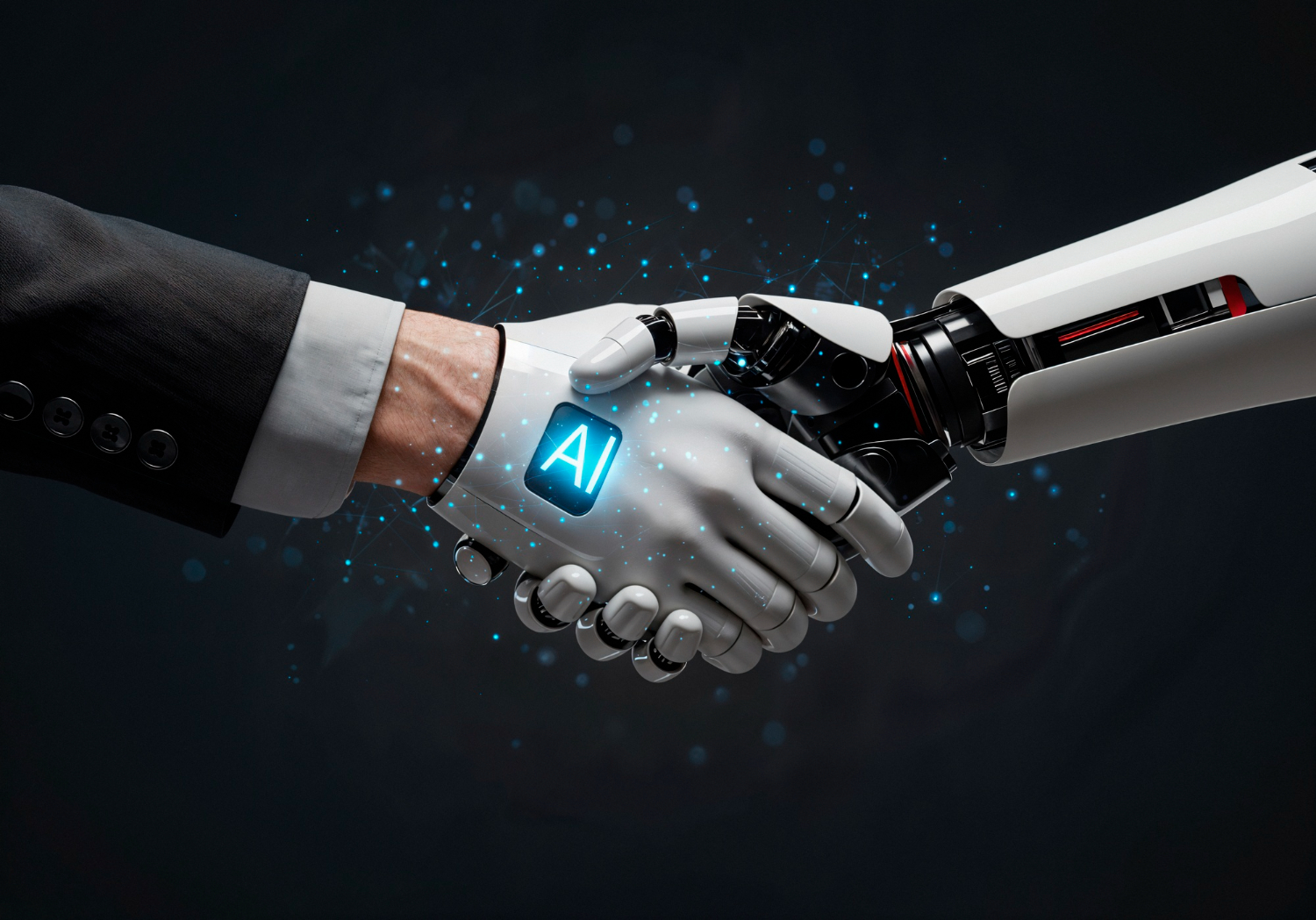
Handshake AI Negotiates With AI: Procurement Enters an Autonomous, Algorithm-Driven Era

A major shift is unfolding in global supply chains as artificial intelligence systems begin negotiating directly with other AI platforms in procurement processes. The development signals a move toward autonomous commerce.

December 25, 2025
|

A major shift is unfolding in global supply chains as artificial intelligence systems begin negotiating directly with other AI tools platforms in procurement processes. The development signals a move toward autonomous commerce, reshaping how corporations buy, sell, and price goods while raising strategic, ethical, and regulatory questions for business leaders worldwide.

Companies are increasingly deploying AI agents capable of negotiating contracts, pricing, delivery schedules, and service-level agreements without human intervention. These systems analyze real-time market data, supplier performance, demand forecasts, and risk variables to reach optimized outcomes in seconds.

The emerging model replaces traditional human-to-human negotiations with machine-to-machine decision-making, particularly in high-volume, low-margin procurement categories. Large enterprises, logistics providers, and manufacturers are early adopters, seeking cost efficiencies and speed advantages. However, the shift also introduces concerns around transparency, accountability, and competitive fairness as algorithmic negotiations operate beyond conventional oversight mechanisms.

The rise of AI-to-AI procurement negotiations reflects a broader transformation across global commerce, where automation is moving from execution to decision-making. Over the past decade, procurement has evolved from a back-office function into a strategic lever for resilience, cost control, and risk management especially after pandemic-era supply chain disruptions.

Advances in machine learning, natural language processing, and predictive analytics now allow AI systems to simulate negotiation strategies, anticipate counterpart behavior, and dynamically adjust terms. This aligns with wider trends in algorithmic trading, automated pricing, and smart contracts already reshaping financial markets.

Geopolitically, supply chain volatility, inflationary pressures, and regional trade fragmentation have accelerated interest in systems that can respond instantly to changing conditions. AI-driven negotiations promise efficiency, but they also challenge existing norms around trust, compliance, and corporate governance.

Supply chain analysts note that AI-to-AI negotiations represent both an efficiency breakthrough and a governance dilemma. Experts argue that while machines can remove emotional bias and process vast datasets, they may also reinforce opaque decision-making and unintended market behaviors.

Industry leaders caution that algorithmic negotiations must be carefully designed to align with corporate values, legal frameworks, and ethical standards. Without human guardrails, AI agents could prioritize cost minimization at the expense of long-term supplier relationships or sustainability goals.

Legal and policy experts highlight unresolved questions around liability: when two AI systems agree to unfavorable or unlawful terms, responsibility ultimately rests with the deploying organizations. As adoption grows, calls are increasing for clearer auditability, explainability, and regulatory oversight of autonomous commercial systems.

For global enterprises, AI-to-AI procurement could redefine operating models, delivering faster negotiations, reduced costs, and improved supply chain resilience. However, executives may need to rethink governance structures, ensuring transparency and human accountability in automated decisions.

Investors are likely to favor firms that successfully leverage AI-driven efficiencies without incurring reputational or regulatory risks. From a policy perspective, regulators may face pressure to update competition laws, contract frameworks, and AI accountability standards to address machine-led negotiations that operate at scale and speed beyond human control.

Looking ahead, AI-to-AI procurement is expected to expand from tactical purchasing into strategic sourcing and long-term contracting. Decision-makers should monitor how regulators respond, how standards evolve, and whether trust frameworks can keep pace with autonomy. The invisible handshake may soon become a defining feature of global trade reshaping commerce faster than policy can follow.

Source & Date

Source: Supply Chain Management Review (SCMR)
Date: December 2024

  • Featured tools
WellSaid Ai
Free

WellSaid AI is an advanced text-to-speech platform that transforms written text into lifelike, human-quality voiceovers.

#
Text to Speech
Learn more
Outplay AI
Free

Outplay AI is a dynamic sales engagement platform combining AI-powered outreach, multi-channel automation, and performance tracking to help teams optimize conversion and pipeline generation.

#
Sales
Learn more

Learn more about future of AI

Join 80,000+ Ai enthusiast getting weekly updates on exciting AI tools.
Thank you! Your submission has been received!
Oops! Something went wrong while submitting the form.

Handshake AI Negotiates With AI: Procurement Enters an Autonomous, Algorithm-Driven Era

December 25, 2025

A major shift is unfolding in global supply chains as artificial intelligence systems begin negotiating directly with other AI platforms in procurement processes. The development signals a move toward autonomous commerce.

A major shift is unfolding in global supply chains as artificial intelligence systems begin negotiating directly with other AI tools platforms in procurement processes. The development signals a move toward autonomous commerce, reshaping how corporations buy, sell, and price goods while raising strategic, ethical, and regulatory questions for business leaders worldwide.

Companies are increasingly deploying AI agents capable of negotiating contracts, pricing, delivery schedules, and service-level agreements without human intervention. These systems analyze real-time market data, supplier performance, demand forecasts, and risk variables to reach optimized outcomes in seconds.

The emerging model replaces traditional human-to-human negotiations with machine-to-machine decision-making, particularly in high-volume, low-margin procurement categories. Large enterprises, logistics providers, and manufacturers are early adopters, seeking cost efficiencies and speed advantages. However, the shift also introduces concerns around transparency, accountability, and competitive fairness as algorithmic negotiations operate beyond conventional oversight mechanisms.

The rise of AI-to-AI procurement negotiations reflects a broader transformation across global commerce, where automation is moving from execution to decision-making. Over the past decade, procurement has evolved from a back-office function into a strategic lever for resilience, cost control, and risk management especially after pandemic-era supply chain disruptions.

Advances in machine learning, natural language processing, and predictive analytics now allow AI systems to simulate negotiation strategies, anticipate counterpart behavior, and dynamically adjust terms. This aligns with wider trends in algorithmic trading, automated pricing, and smart contracts already reshaping financial markets.

Geopolitically, supply chain volatility, inflationary pressures, and regional trade fragmentation have accelerated interest in systems that can respond instantly to changing conditions. AI-driven negotiations promise efficiency, but they also challenge existing norms around trust, compliance, and corporate governance.

Supply chain analysts note that AI-to-AI negotiations represent both an efficiency breakthrough and a governance dilemma. Experts argue that while machines can remove emotional bias and process vast datasets, they may also reinforce opaque decision-making and unintended market behaviors.

Industry leaders caution that algorithmic negotiations must be carefully designed to align with corporate values, legal frameworks, and ethical standards. Without human guardrails, AI agents could prioritize cost minimization at the expense of long-term supplier relationships or sustainability goals.

Legal and policy experts highlight unresolved questions around liability: when two AI systems agree to unfavorable or unlawful terms, responsibility ultimately rests with the deploying organizations. As adoption grows, calls are increasing for clearer auditability, explainability, and regulatory oversight of autonomous commercial systems.

For global enterprises, AI-to-AI procurement could redefine operating models, delivering faster negotiations, reduced costs, and improved supply chain resilience. However, executives may need to rethink governance structures, ensuring transparency and human accountability in automated decisions.

Investors are likely to favor firms that successfully leverage AI-driven efficiencies without incurring reputational or regulatory risks. From a policy perspective, regulators may face pressure to update competition laws, contract frameworks, and AI accountability standards to address machine-led negotiations that operate at scale and speed beyond human control.

Looking ahead, AI-to-AI procurement is expected to expand from tactical purchasing into strategic sourcing and long-term contracting. Decision-makers should monitor how regulators respond, how standards evolve, and whether trust frameworks can keep pace with autonomy. The invisible handshake may soon become a defining feature of global trade reshaping commerce faster than policy can follow.

Source & Date

Source: Supply Chain Management Review (SCMR)
Date: December 2024

Promote Your Tool

Copy Embed Code

Similar Blogs

December 25, 2025
|

Why Disney is embedding generative AI into its operating model

Disney is embedding generative AI deep into its operating model, marking a decisive move to modernize how one of the world’s largest media companies creates, manages, and delivers content.
Read more
December 25, 2025
|

Arm Positions Itself at the Center of the Global Shift Toward Edge AI Computing

Arm is strengthening its role in the global AI ecosystem by accelerating innovation in edge computing, where artificial intelligence runs directly on devices rather than in the cloud.
Read more
December 25, 2025
|

China Accelerates AI Integration Across Energy Systems in Strategic Efficiency Drive

China is rapidly deploying artificial intelligence across its energy infrastructure, marking a strategic shift in how the world’s largest energy consumer manages power generation, distribution, and efficiency.
Read more
December 25, 2025
|

Acts of Loyalty in Extreme Conditions Highlight the Silent Role of Working Dogs in Crisis Survival

A remarkable rescue involving a Bernese Mountain Dog saving a senior canine lost in heavy snow has drawn global attention, underscoring the often-overlooked role of animal instinct and training in survival scenarios.
Read more
December 25, 2025
|

Kalon.ai Emerges as a Strategic Challenger in the Rapidly Shifting AI Companion Market

A notable shift is underway in the AI companion and conversational platform market as Kalon.ai gains traction as a leading alternative to OurDream AI. The transition reflects changing user expectations.
Read more
December 25, 2025
|

Google Scales Generative Video Globally as Flow Crosses 100 Million Milestone

A major development unfolded as Google’s generative video platform Flow crossed the 100-million-video mark, while its AI creativity tool Whisk expanded into 77 additional countries.
Read more