



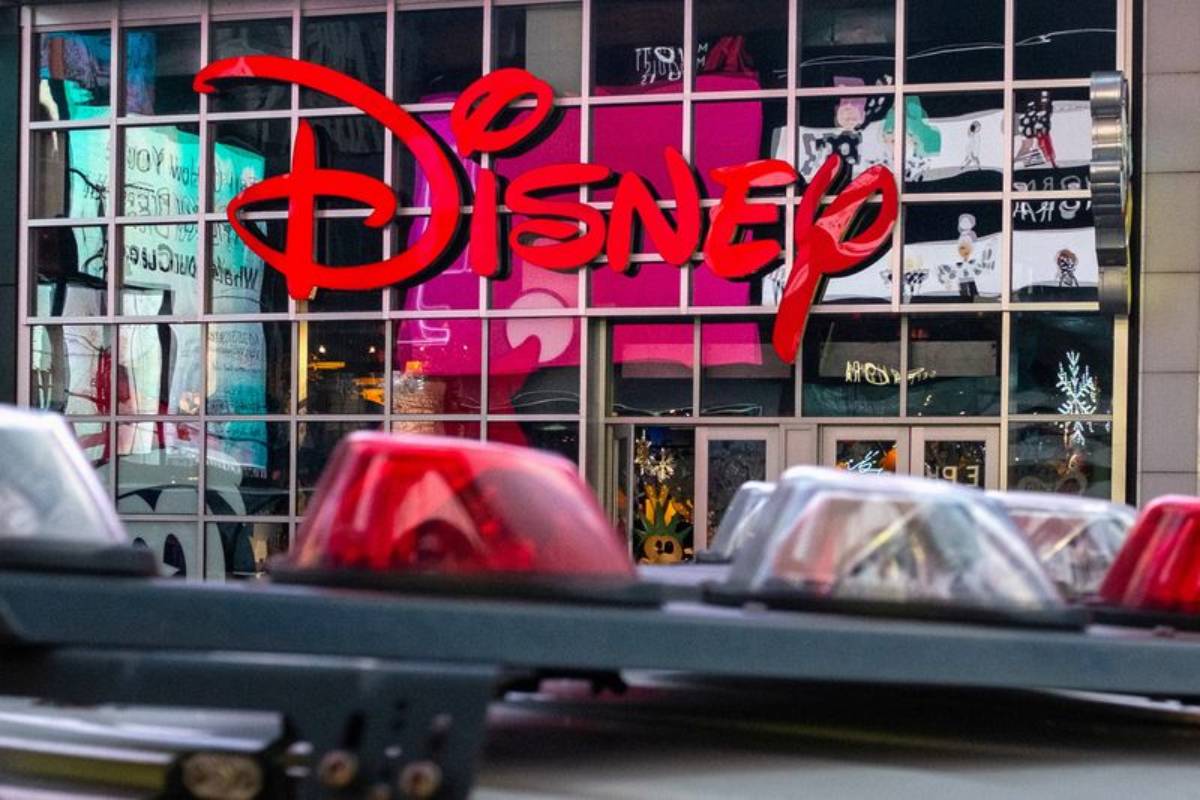
A new flashpoint in the global AI copyright battle has emerged as The Walt Disney Company issued a cease-and-desist notice to ByteDance over AI-generated videos allegedly using its intellectual property. The dispute underscores mounting tensions between legacy media giants and technology platforms deploying generative AI at scale.
The videos reportedly appeared on ByteDance-owned platforms, raising concerns about unauthorised use of Disney’s intellectual property in generative AI outputs. Disney’s action signals a firm stance on IP protection as AI tools increasingly enable user-generated and automated content creation.
The move highlights broader legal uncertainty around AI training data, derivative works, and platform liability issues that are becoming central to global regulatory debates.
The development aligns with a broader global struggle between content owners and AI-driven platforms over intellectual property rights. As generative AI systems become capable of producing hyper-realistic images, videos, and scripts, entertainment companies face new risks of brand dilution and revenue erosion.
Media conglomerates have invested billions in proprietary franchises and character universes, making IP enforcement a strategic imperative. Meanwhile, social media and short-form video platforms increasingly rely on AI-powered tools to drive user engagement and monetisation.
Geopolitically, the dispute carries additional weight. ByteDance, as a Chinese technology firm operating globally, already faces regulatory scrutiny in the United States and Europe over data security and content governance.
AI-generated media is now testing not only copyright law but also cross-border regulatory coordination and platform accountability standards.
Intellectual property experts note that cease-and-desist actions may be a precursor to broader litigation if compliance is not achieved. Legal analysts argue that AI-generated outputs raise complex questions: whether content constitutes infringement, parody, or transformative use under existing copyright frameworks.
Industry observers suggest Disney’s move could signal a more aggressive enforcement strategy across Hollywood studios seeking to protect franchise integrity in the AI era. Media executives have repeatedly emphasised that generative AI must respect licensing structures and creative ownership rights.
Technology policy specialists point out that platforms may need stronger AI content filtering, watermarking, and rights management systems to mitigate legal exposure.
The case could set an informal precedent influencing how global entertainment brands negotiate with AI-enabled content platforms moving forward. For global executives, the dispute underscores the growing intersection of AI deployment and intellectual property risk. Media companies may accelerate investment in AI detection tools and legal enforcement frameworks.
Technology platforms could face increased compliance costs if courts or regulators demand stricter moderation and licensing safeguards. Investors will likely monitor potential litigation risks and reputational fallout for both parties.
From a policy standpoint, the case may intensify calls for clearer AI copyright legislation, particularly regarding training data usage and derivative output accountability.
As generative AI reshapes content creation, IP governance is emerging as a core strategic battleground.
The next phase will depend on whether ByteDance complies with Disney’s demands or contests the claims. Legal escalation could clarify or further complicate AI copyright jurisprudence.
Decision-makers should watch for regulatory responses and potential industry-wide licensing frameworks. In the AI economy, ownership of creative assets may prove as decisive as technological capability.
Source: U.S. News & World Report
Date: February 15, 2026


