
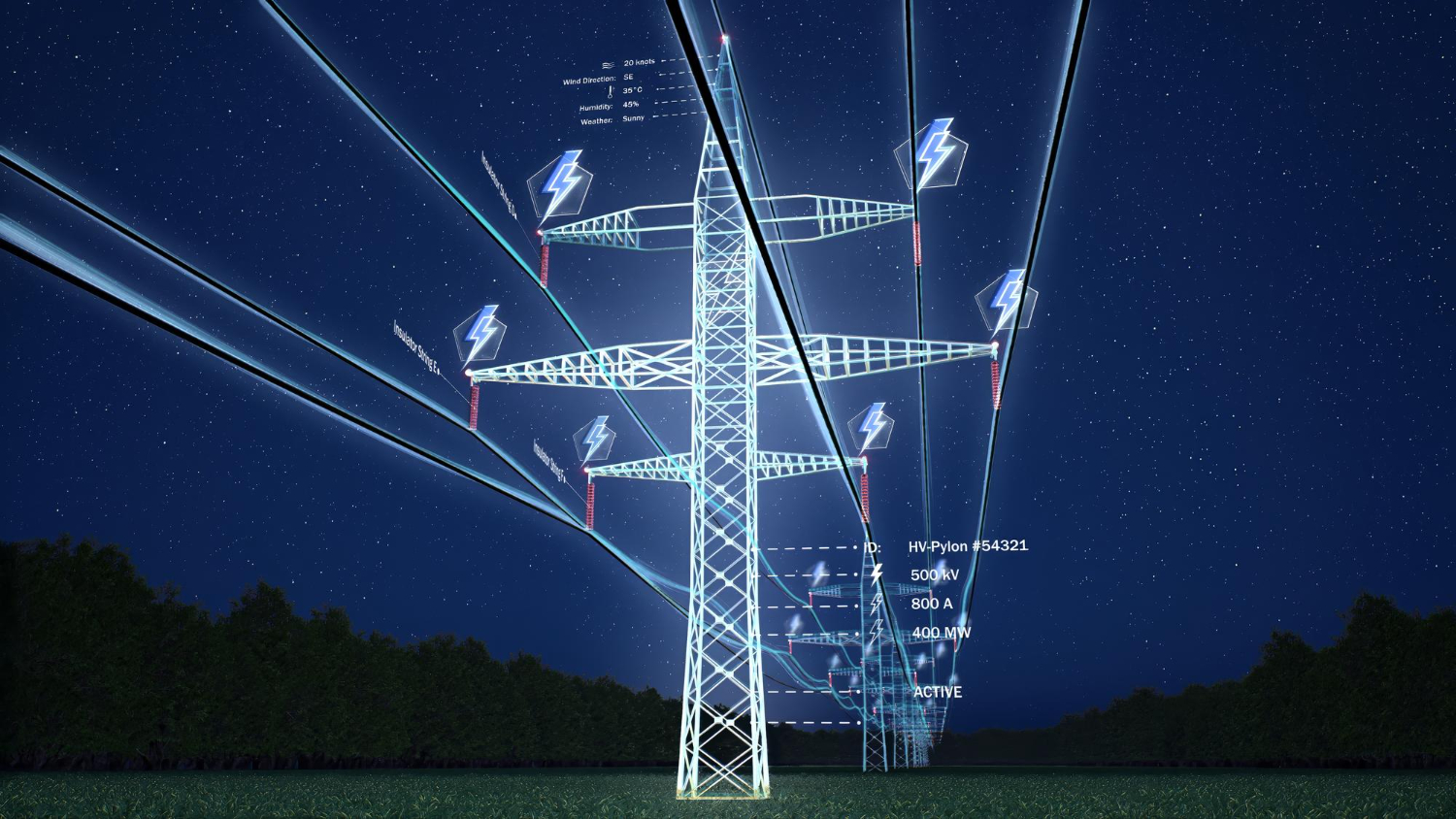
China Accelerates AI Integration Across Energy Systems in Strategic Efficiency Drive

China is rapidly deploying artificial intelligence across its energy infrastructure, marking a strategic shift in how the world’s largest energy consumer manages power generation, distribution, and efficiency.

December 25, 2025
|

China is rapidly deploying artificial intelligence across its energy infrastructure, marking a strategic shift in how the world’s largest energy consumer manages power generation, distribution, and efficiency. The move carries significant implications for global energy markets, climate policy, and competitive positioning as nations race to modernise critical infrastructure.

Chinese authorities and state-backed energy companies are increasingly applying AI tools across power grids, renewable energy systems, and fossil fuel operations. These technologies are being used to forecast demand, optimise grid stability, reduce waste, and improve safety in high-risk environments such as coal mining and power generation.

The rollout aligns with national priorities to enhance energy security, lower emissions, and reduce operational inefficiencies. AI-driven systems are also being tested to manage renewable intermittency and improve real-time decision-making. While deployment timelines vary by region, the initiative reflects a coordinated national push involving utilities, technology firms, and research institutions.

China’s energy system faces mounting pressure from rising demand, decarbonisation targets, and geopolitical volatility in global energy supply chains. As the world’s largest emitter and energy consumer, Beijing has committed to peak carbon emissions before 2030 and achieve carbon neutrality by 2060 ambitious goals requiring structural transformation.

Globally, AI adoption in energy has gained momentum as grids grow more complex and renewable penetration increases. Countries across Europe, North America, and the Middle East are experimenting with AI-powered forecasting, smart grids, and predictive maintenance. However, China’s scale and state-led execution model set it apart.

The current push builds on earlier investments in smart grids and digital infrastructure, positioning AI not as an experimental tool but as a foundational component of national energy strategy.

Energy analysts describe China’s AI-driven approach as both pragmatic and strategic. Experts note that AI offers immediate gains in efficiency and reliability, particularly in managing fluctuating renewable inputs such as wind and solar power.

Industry observers also highlight China’s advantage in data availability, given its vast energy network and centralised governance model. This enables faster training and deployment of AI systems at scale. However, analysts caution that heavy reliance on automated decision-making raises concerns around transparency, cybersecurity, and system resilience.

While official statements emphasise innovation and sustainability, experts suggest the underlying motivation is also economic competitiveness using AI to lower energy costs, stabilise supply, and strengthen industrial output in an increasingly fragmented global energy landscape.

For global businesses, China’s AI-driven energy transformation signals a shift in cost structures and operational benchmarks. Energy-intensive industries may benefit from greater stability and efficiency, while foreign firms could face pressure to match China’s digital optimisation capabilities.

Policymakers worldwide may view China’s approach as a blueprint or a warning highlighting how AI adoption can rapidly reshape critical infrastructure. The move also raises strategic questions around data governance, cross-border technology competition, and the role of state-led AI deployment in essential services.

Investors are likely to monitor how AI-enhanced energy systems impact productivity, emissions targets, and long-term energy security.

Looking ahead, China is expected to deepen AI integration across its energy ecosystem, expanding from optimisation to autonomous system management. Decision-makers should watch for regulatory frameworks governing AI oversight, cybersecurity safeguards, and export implications. As energy and AI converge, China’s model may increasingly influence global standards for digital infrastructure and energy governance.

Source & Date

Source: Artificial Intelligence News
Date: 2025

  • Featured tools
Neuron AI
Free

Neuron AI is an AI-driven content optimization platform that helps creators produce SEO-friendly content by combining semantic SEO, competitor analysis, and AI-assisted writing workflows.

#
SEO
Learn more
Copy Ai
Free

Copy AI is one of the most popular AI writing tools designed to help professionals create high-quality content quickly. Whether you are a product manager drafting feature descriptions or a marketer creating ad copy, Copy AI can save hours of work while maintaining creativity and tone.

#
Copywriting
Learn more

Learn more about future of AI

Join 80,000+ Ai enthusiast getting weekly updates on exciting AI tools.
Thank you! Your submission has been received!
Oops! Something went wrong while submitting the form.

China Accelerates AI Integration Across Energy Systems in Strategic Efficiency Drive

December 25, 2025

China is rapidly deploying artificial intelligence across its energy infrastructure, marking a strategic shift in how the world’s largest energy consumer manages power generation, distribution, and efficiency.

China is rapidly deploying artificial intelligence across its energy infrastructure, marking a strategic shift in how the world’s largest energy consumer manages power generation, distribution, and efficiency. The move carries significant implications for global energy markets, climate policy, and competitive positioning as nations race to modernise critical infrastructure.

Chinese authorities and state-backed energy companies are increasingly applying AI tools across power grids, renewable energy systems, and fossil fuel operations. These technologies are being used to forecast demand, optimise grid stability, reduce waste, and improve safety in high-risk environments such as coal mining and power generation.

The rollout aligns with national priorities to enhance energy security, lower emissions, and reduce operational inefficiencies. AI-driven systems are also being tested to manage renewable intermittency and improve real-time decision-making. While deployment timelines vary by region, the initiative reflects a coordinated national push involving utilities, technology firms, and research institutions.

China’s energy system faces mounting pressure from rising demand, decarbonisation targets, and geopolitical volatility in global energy supply chains. As the world’s largest emitter and energy consumer, Beijing has committed to peak carbon emissions before 2030 and achieve carbon neutrality by 2060 ambitious goals requiring structural transformation.

Globally, AI adoption in energy has gained momentum as grids grow more complex and renewable penetration increases. Countries across Europe, North America, and the Middle East are experimenting with AI-powered forecasting, smart grids, and predictive maintenance. However, China’s scale and state-led execution model set it apart.

The current push builds on earlier investments in smart grids and digital infrastructure, positioning AI not as an experimental tool but as a foundational component of national energy strategy.

Energy analysts describe China’s AI-driven approach as both pragmatic and strategic. Experts note that AI offers immediate gains in efficiency and reliability, particularly in managing fluctuating renewable inputs such as wind and solar power.

Industry observers also highlight China’s advantage in data availability, given its vast energy network and centralised governance model. This enables faster training and deployment of AI systems at scale. However, analysts caution that heavy reliance on automated decision-making raises concerns around transparency, cybersecurity, and system resilience.

While official statements emphasise innovation and sustainability, experts suggest the underlying motivation is also economic competitiveness using AI to lower energy costs, stabilise supply, and strengthen industrial output in an increasingly fragmented global energy landscape.

For global businesses, China’s AI-driven energy transformation signals a shift in cost structures and operational benchmarks. Energy-intensive industries may benefit from greater stability and efficiency, while foreign firms could face pressure to match China’s digital optimisation capabilities.

Policymakers worldwide may view China’s approach as a blueprint or a warning highlighting how AI adoption can rapidly reshape critical infrastructure. The move also raises strategic questions around data governance, cross-border technology competition, and the role of state-led AI deployment in essential services.

Investors are likely to monitor how AI-enhanced energy systems impact productivity, emissions targets, and long-term energy security.

Looking ahead, China is expected to deepen AI integration across its energy ecosystem, expanding from optimisation to autonomous system management. Decision-makers should watch for regulatory frameworks governing AI oversight, cybersecurity safeguards, and export implications. As energy and AI converge, China’s model may increasingly influence global standards for digital infrastructure and energy governance.

Source & Date

Source: Artificial Intelligence News
Date: 2025

Promote Your Tool

Copy Embed Code

Similar Blogs

January 14, 2026
|

Italy Sets Global Benchmark in AI Regulation

Executives and regulators should watch Italy’s phased implementation and enforcement of AI regulations, which could influence EU-wide and global frameworks. Decision-makers need to track compliance trends.
Read more
January 14, 2026
|

AI Chatbots Raise Concerns as Teens Turn to Digital Companions

AI chatbots are increasingly becoming near-constant companions for teenagers, prompting concerns among parents, educators, and child development experts. The rapid integration of conversational AI.
Read more
January 14, 2026
|

Investor Confidence Grows in Trillion-Dollar AI Stock Amid Market Volatility

Decision-makers should monitor quarterly performance, new AI product rollouts, and regulatory developments influencing AI market adoption. Investor sentiment is expected to favor companies.
Read more
January 14, 2026
|

AI Driven Circularity Set to Transform Materials Innovation & Sustainability Strategies

A strategic shift is underway as artificial intelligence (AI) becomes a critical enabler of circularity in materials innovation, signaling a new era in sustainable manufacturing. Businesses.
Read more
January 14, 2026
|

Character.AI & Google Mediate Teen Death Lawsuits, Highlighting AI Accountability

A critical development unfolded as Character.AI and Google have agreed to mediate settlements in lawsuits linked to a teenager’s death allegedly tied to AI platform usage. The move highlights growing legal.
Read more
January 14, 2026
|

AI Generated Explicit Content Raises Alarming Risks for Children

Looking ahead, decision-makers should monitor AI platform governance, emerging legislation, and technological solutions for content moderation and age verification.
Read more