



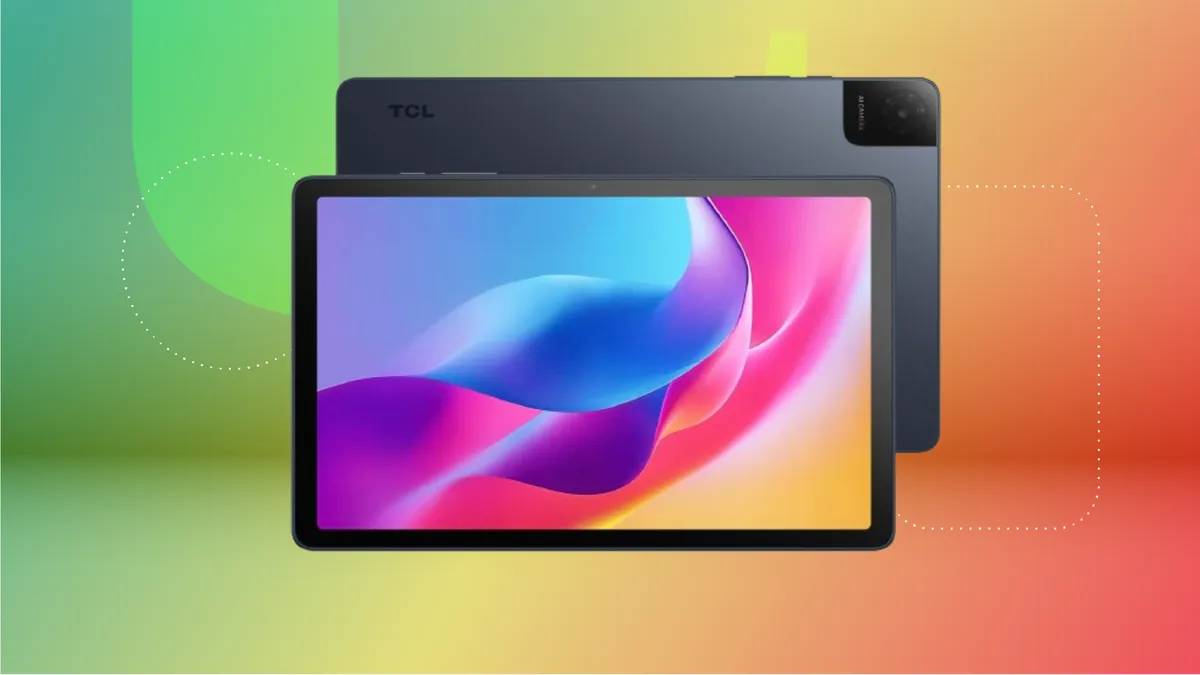
A notable shift in the consumer electronics market is underway as TCL tablets are being offered at a reduced price of around $150 through major global retail platforms. The development highlights intensifying competition in the budget device segment, where manufacturers are leveraging aggressive pricing strategies to capture price-sensitive users across global markets.
A TCL tablet is currently available on Amazon for as low as $150 as part of a limited-time promotional discount. The deal positions the device within the highly competitive entry-level tablet category, targeting students, casual users, and cost-conscious consumers.
Key stakeholders include TCL as the manufacturer, Amazon as the distribution platform, and global consumers seeking affordable computing devices. The pricing strategy reflects broader retail dynamics where manufacturers are using discount cycles to increase volume sales and market penetration. This also contributes to heightened competition among low-cost Android tablet providers across international markets.
The global tablet market has experienced cyclical demand patterns, with growth driven primarily by education, remote work, and media consumption use cases. However, the premium segment has been dominated by Apple and Samsung, leaving budget manufacturers to compete aggressively in the sub-$200 category.
TCL, along with other Android OEMs, has focused on affordability as a core strategy to expand its global footprint. Retail platforms like Amazon play a critical role in enabling rapid price adjustments and promotional campaigns that influence demand elasticity.
This trend reflects broader global electronics market behavior where hardware differentiation is increasingly limited, and pricing strategy becomes a primary competitive lever. In emerging markets especially, low-cost tablets continue to serve as entry points into digital ecosystems, supporting connectivity, education access, and media consumption.
Market analysts suggest that aggressive pricing in the budget tablet segment is a response to slowing growth in premium device categories. Experts note that manufacturers like TCL rely on high-volume, low-margin strategies to remain competitive in global markets dominated by established players.
Retail analysts highlight that platforms such as Amazon significantly amplify price competition by enabling real-time discounting and global visibility. This often leads to short-term promotional cycles that drive consumer demand spikes but compress manufacturer margins.
While TCL has not issued specific commentary regarding this promotion, industry observers interpret such pricing as part of broader inventory optimization and market expansion strategies. Analysts also emphasize that budget tablets remain essential for digital inclusion initiatives in developing economies, where affordability is a key determinant of adoption.
For businesses, the pricing trend underscores intensifying competition in the low-cost hardware segment, where profitability depends heavily on scale rather than differentiation. Manufacturers may increasingly rely on retail partnerships and promotional cycles to sustain sales volumes.
For investors, the budget electronics segment remains stable but margin-sensitive, with performance closely tied to supply chain efficiency and global demand cycles. Consumers benefit from increased affordability and access to digital devices, particularly in education and entry-level computing markets.
From a policy standpoint, affordable device availability supports digital inclusion goals, but also raises questions around device longevity, e-waste management, and sustainable electronics manufacturing practices.
Looking ahead, the budget tablet segment is expected to remain highly competitive, with continued reliance on discount-driven sales strategies. Manufacturers will likely focus on improving cost efficiency while maintaining acceptable performance benchmarks. Key uncertainties include supply chain volatility, shifting consumer demand patterns, and the long-term sustainability of aggressive pricing models in global electronics markets.
Source: CNET
Date: April 2026


