
Asian Markets Advance AI Volatility Oil Stabilizes on Diplomacy

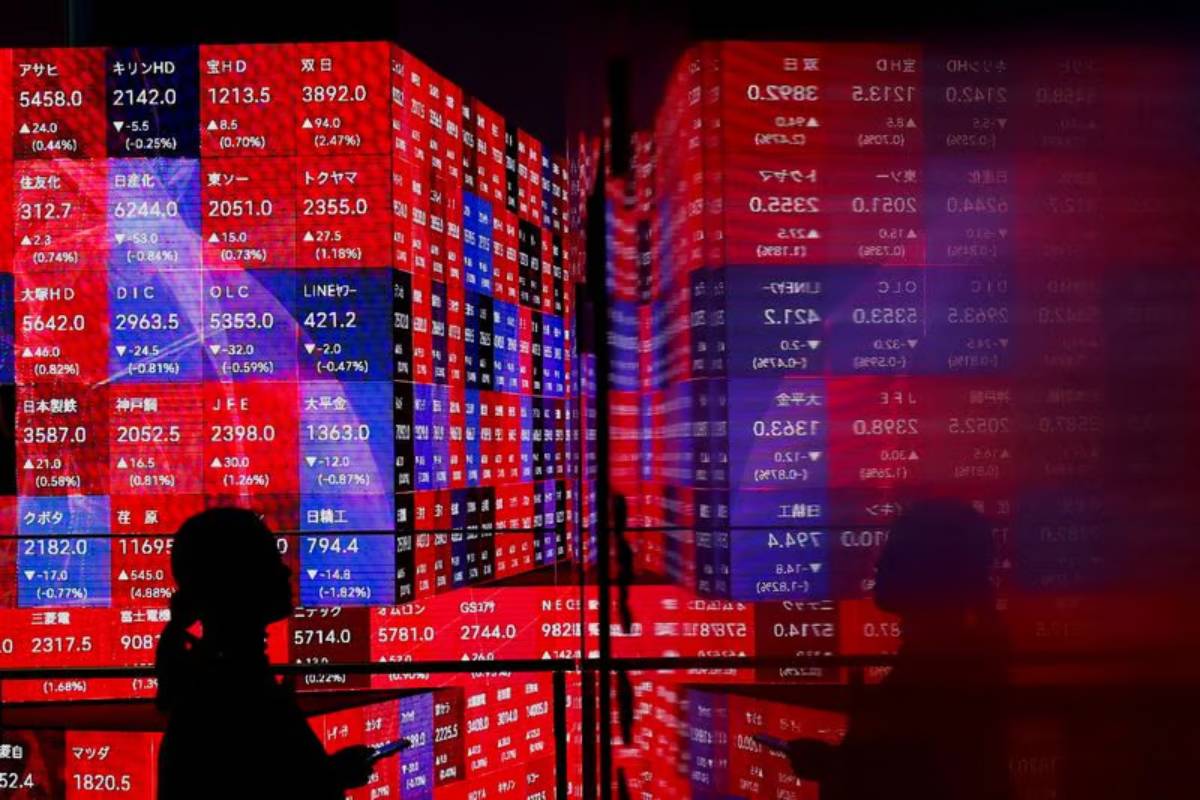
Major Asian indices posted gains, supported by selective buying in technology and export-driven stocks, even as investors remained cautious about elevated AI-sector valuations.

February 18, 2026
|

Asian equities edged higher despite persistent concerns over AI-driven market volatility, while oil prices steadied following renewed diplomatic engagement between the United States and Iran. The mixed signals highlight fragile investor sentiment as technology valuations and geopolitical risks continue to shape global capital flows.

Major Asian indices posted gains, supported by selective buying in technology and export-driven stocks, even as investors remained cautious about elevated AI-sector valuations.

Recent volatility in global tech shares tied to earnings guidance and AI monetization concerns has weighed on sentiment. However, bargain-hunting and stabilizing US futures helped regional markets recover.

In commodities, oil prices pared earlier losses after reports of diplomatic discussions between Washington and Tehran, easing immediate supply disruption fears. Currency markets remained relatively stable, while bond yields reflected measured expectations around global monetary policy.

The interplay between AI-related equity risk and Middle East geopolitics continues to anchor investor decision-making.

The development aligns with a broader recalibration in global markets, where AI enthusiasm is increasingly balanced against valuation discipline and macroeconomic uncertainty.

Throughout 2025 and early 2026, AI-linked stocks drove significant equity gains worldwide. However, recent earnings cycles have prompted reassessment of growth trajectories and capital expenditure sustainability.

Simultaneously, geopolitical tensions in the Middle East particularly involving Iran’s oil exports and regional security dynamics have periodically disrupted commodity markets. US–Iran diplomatic signals often carry outsized influence on oil prices due to Iran’s role in global energy supply chains. Any easing of tensions can temper supply risk premiums embedded in crude benchmarks.

For executives and policymakers, the convergence of AI volatility and energy diplomacy underscores how technological and geopolitical narratives now move markets in tandem.

Market strategists note that Asia’s resilience reflects underlying liquidity conditions and selective investor confidence in export-led growth economies. Analysts caution, however, that AI-related corrections may not be fully priced in, particularly if earnings guidance continues to moderate in the United States and Europe.

Energy economists highlight that even tentative diplomatic engagement between the US and Iran can reduce short-term oil risk premiums, though structural tensions remain unresolved. Portfolio managers argue that current conditions favor diversified positioning, as technology sector volatility and commodity fluctuations create cross-asset ripple effects. Experts also emphasize that geopolitical headlines may trigger rapid price movements, reinforcing the need for hedging strategies in both equity and energy markets.

For global executives, the episode underscores the importance of stress-testing exposure to both AI-driven equity swings and energy price volatility. Technology firms must demonstrate tangible returns on AI investments to sustain investor confidence. Meanwhile, energy-intensive industries should monitor diplomatic developments that could alter input costs.

Investors may increasingly favor balanced portfolios combining growth sectors with defensive or commodity-linked assets. From a policy perspective, stabilizing oil markets through diplomatic engagement can ease inflationary pressures, offering central banks greater flexibility. However, unresolved geopolitical risks continue to cast a long shadow over global economic planning.

Markets will closely track upcoming AI-sector earnings, US economic data, and further signals from US–Iran diplomatic channels. Sustained equity gains may depend on clearer evidence of AI revenue acceleration and geopolitical de-escalation. Conversely, renewed tensions or earnings disappointments could revive volatility.

For decision-makers, agility remains paramount as technology and geopolitics jointly steer the 2026 market narrative.

Source: Reuters
Date: February 18, 2026

  • Featured tools
Hostinger Horizons
Freemium

Hostinger Horizons is an AI-powered platform that allows users to build and deploy custom web applications without writing code. It packs hosting, domain management and backend integration into a unified tool for rapid app creation.

#
Startup Tools
#
Coding
#
Project Management
Learn more
WellSaid Ai
Free

WellSaid AI is an advanced text-to-speech platform that transforms written text into lifelike, human-quality voiceovers.

#
Text to Speech
Learn more

Learn more about future of AI

Join 80,000+ Ai enthusiast getting weekly updates on exciting AI tools.
Thank you! Your submission has been received!
Oops! Something went wrong while submitting the form.

Asian Markets Advance AI Volatility Oil Stabilizes on Diplomacy

February 18, 2026

Major Asian indices posted gains, supported by selective buying in technology and export-driven stocks, even as investors remained cautious about elevated AI-sector valuations.

Asian equities edged higher despite persistent concerns over AI-driven market volatility, while oil prices steadied following renewed diplomatic engagement between the United States and Iran. The mixed signals highlight fragile investor sentiment as technology valuations and geopolitical risks continue to shape global capital flows.

Major Asian indices posted gains, supported by selective buying in technology and export-driven stocks, even as investors remained cautious about elevated AI-sector valuations.

Recent volatility in global tech shares tied to earnings guidance and AI monetization concerns has weighed on sentiment. However, bargain-hunting and stabilizing US futures helped regional markets recover.

In commodities, oil prices pared earlier losses after reports of diplomatic discussions between Washington and Tehran, easing immediate supply disruption fears. Currency markets remained relatively stable, while bond yields reflected measured expectations around global monetary policy.

The interplay between AI-related equity risk and Middle East geopolitics continues to anchor investor decision-making.

The development aligns with a broader recalibration in global markets, where AI enthusiasm is increasingly balanced against valuation discipline and macroeconomic uncertainty.

Throughout 2025 and early 2026, AI-linked stocks drove significant equity gains worldwide. However, recent earnings cycles have prompted reassessment of growth trajectories and capital expenditure sustainability.

Simultaneously, geopolitical tensions in the Middle East particularly involving Iran’s oil exports and regional security dynamics have periodically disrupted commodity markets. US–Iran diplomatic signals often carry outsized influence on oil prices due to Iran’s role in global energy supply chains. Any easing of tensions can temper supply risk premiums embedded in crude benchmarks.

For executives and policymakers, the convergence of AI volatility and energy diplomacy underscores how technological and geopolitical narratives now move markets in tandem.

Market strategists note that Asia’s resilience reflects underlying liquidity conditions and selective investor confidence in export-led growth economies. Analysts caution, however, that AI-related corrections may not be fully priced in, particularly if earnings guidance continues to moderate in the United States and Europe.

Energy economists highlight that even tentative diplomatic engagement between the US and Iran can reduce short-term oil risk premiums, though structural tensions remain unresolved. Portfolio managers argue that current conditions favor diversified positioning, as technology sector volatility and commodity fluctuations create cross-asset ripple effects. Experts also emphasize that geopolitical headlines may trigger rapid price movements, reinforcing the need for hedging strategies in both equity and energy markets.

For global executives, the episode underscores the importance of stress-testing exposure to both AI-driven equity swings and energy price volatility. Technology firms must demonstrate tangible returns on AI investments to sustain investor confidence. Meanwhile, energy-intensive industries should monitor diplomatic developments that could alter input costs.

Investors may increasingly favor balanced portfolios combining growth sectors with defensive or commodity-linked assets. From a policy perspective, stabilizing oil markets through diplomatic engagement can ease inflationary pressures, offering central banks greater flexibility. However, unresolved geopolitical risks continue to cast a long shadow over global economic planning.

Markets will closely track upcoming AI-sector earnings, US economic data, and further signals from US–Iran diplomatic channels. Sustained equity gains may depend on clearer evidence of AI revenue acceleration and geopolitical de-escalation. Conversely, renewed tensions or earnings disappointments could revive volatility.

For decision-makers, agility remains paramount as technology and geopolitics jointly steer the 2026 market narrative.

Source: Reuters
Date: February 18, 2026

Promote Your Tool

Copy Embed Code

Similar Blogs

February 18, 2026
|

Cadence Beats Earnings as AI Chip Design Surges

Cadence exceeded Wall Street estimates for both revenue and earnings, citing robust orders for its electronic design automation (EDA) software used in developing advanced semiconductors.
Read more
February 18, 2026
|

Asian Markets Advance AI Volatility Oil Stabilizes on Diplomacy

Major Asian indices posted gains, supported by selective buying in technology and export-driven stocks, even as investors remained cautious about elevated AI-sector valuations.
Read more
February 18, 2026
|

Palo Alto Networks Shares Slide on Weak Forecast

Palo Alto Networks reported quarterly results that met or modestly exceeded expectations, but its forward revenue and billings guidance failed to excite investors.
Read more
February 18, 2026
|

EU Launches Fresh Probe Into Grok AI Images

Ireland’s data protection authorities the lead regulator for many major tech firms operating in the EU are examining whether Grok’s image-generation capabilities may have facilitated the creation or dissemination of nonconsensual AI-generated content.
Read more
February 18, 2026
|

Tesla Rolls Out Grok AI in Europe Amid Scrutiny

Tesla is introducing Grok originally launched on X into its vehicles in the UK and broader European markets through over-the-air software updates.
Read more
February 18, 2026
|

Meta Secures Patent for Posthumous AI Avatars

The patent describes a large language model (LLM) trained on a user’s historical posts, messages, and multimedia data to generate future content that mirrors their voice and personality even after they are deceased.
Read more