



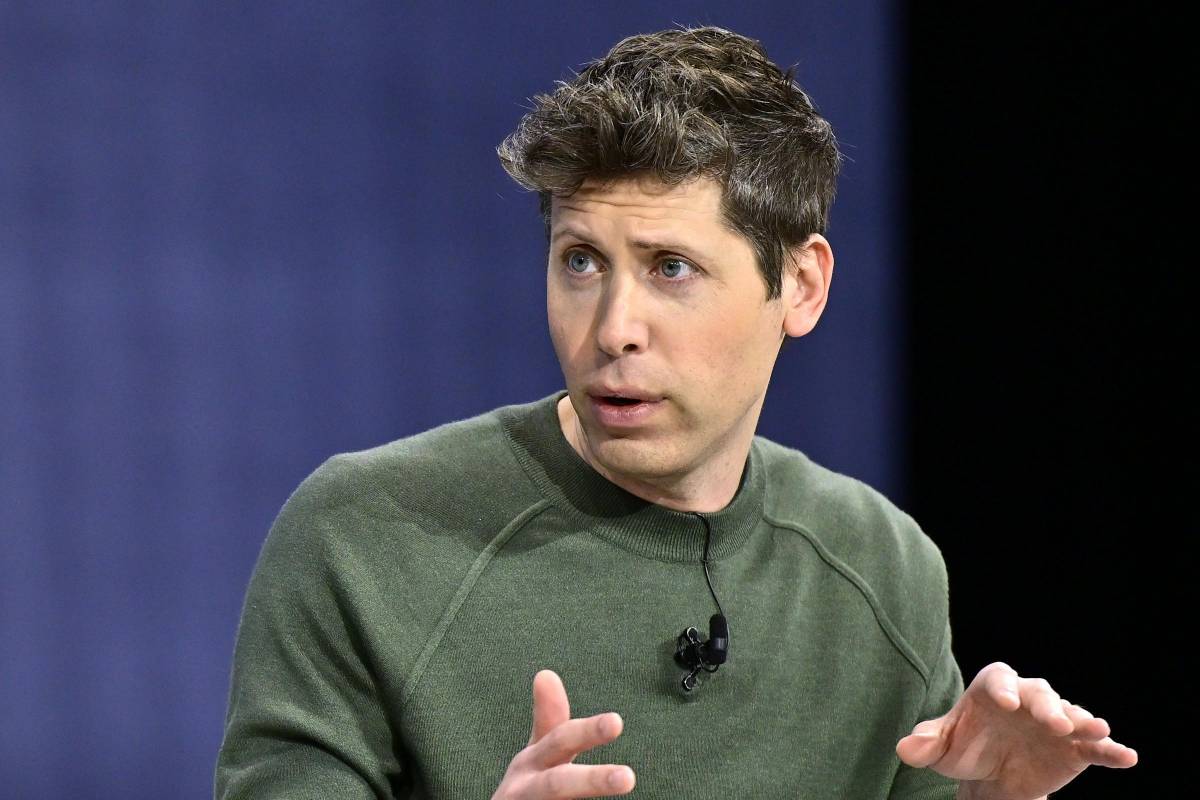
A major development unfolded as OpenAI CEO Sam Altman publicly criticised rival Anthropic’s Super Bowl advertisement while defending ChatGPT’s own advertising and monetisation strategy. The exchange signals intensifying competition among AI leaders, with branding, public trust, and business models emerging as critical battlegrounds in the global AI race.
Sam Altman questioned the messaging and intent behind Anthropic’s high-profile Super Bowl ad, suggesting it framed AI risks in a way that could mislead or alarm the public. In contrast, Altman defended ChatGPT’s evolving ad model, emphasising transparency, user value, and long-term sustainability.
The comments come amid fierce competition between OpenAI backed and independently funded AI labs, all racing to secure user adoption, enterprise clients, and regulatory goodwill. With AI tools increasingly embedded in daily workflows, executives are paying closer attention to how these platforms communicate safety, ethics, and commercial intent to global audiences.
The development aligns with a broader trend across global markets where AI companies are no longer competing solely on technical performance. Messaging, trust, and narrative control have become strategic assets. As AI adoption accelerates, public perception increasingly influences regulatory scrutiny and enterprise buying decisions.
OpenAI and Anthropic, both positioning themselves as responsible AI leaders, have taken divergent approaches to monetisation and branding. While Anthropic has emphasised caution and risk mitigation in its public messaging, OpenAI has focused on mainstream adoption and scalable revenue models.
This divergence reflects a maturing AI industry where commercial sustainability is now as critical as innovation. For policymakers and enterprise leaders, the debate highlights unresolved tensions between AI safety, profitability, and public communication.
Industry analysts view Altman’s remarks as a signal that AI competition has entered a reputational phase. Experts note that high-visibility advertising, such as Super Bowl campaigns, elevates AI debates from niche technology circles to mass public discourse.
Market observers argue that framing AI as either empowering or threatening has direct consequences for regulation and adoption. Some analysts suggest OpenAI’s defence of advertising reflects confidence in scale-driven monetisation, while others caution that ads within AI interfaces could raise ethical and data governance concerns.
From a strategic standpoint, experts say the clash underscores how AI leaders are positioning themselves ahead of tighter global regulations, where credibility and public trust may shape long-term market dominance.
For businesses, the dispute highlights the importance of evaluating not just AI capabilities, but also vendor philosophy, transparency, and commercial incentives. Enterprise buyers may increasingly scrutinise how AI platforms generate revenue and manage user data.
Investors are likely to track how monetisation strategies affect growth, margins, and regulatory exposure. For policymakers, the debate reinforces the need for clearer guidelines around AI advertising, disclosures, and ethical messaging, especially as AI systems become consumer-facing at scale.
Looking ahead, competition among AI leaders is expected to intensify beyond product innovation into branding, ethics, and monetisation narratives. Decision-makers will watch how regulators respond, how users react to ads within AI tools, and whether public trust becomes a decisive factor in AI market leadership.
Source: Analytics India Magazine
Date: February 2026


