
AI Humanizer Tools Surge Amid Detection Authenticity Pressures

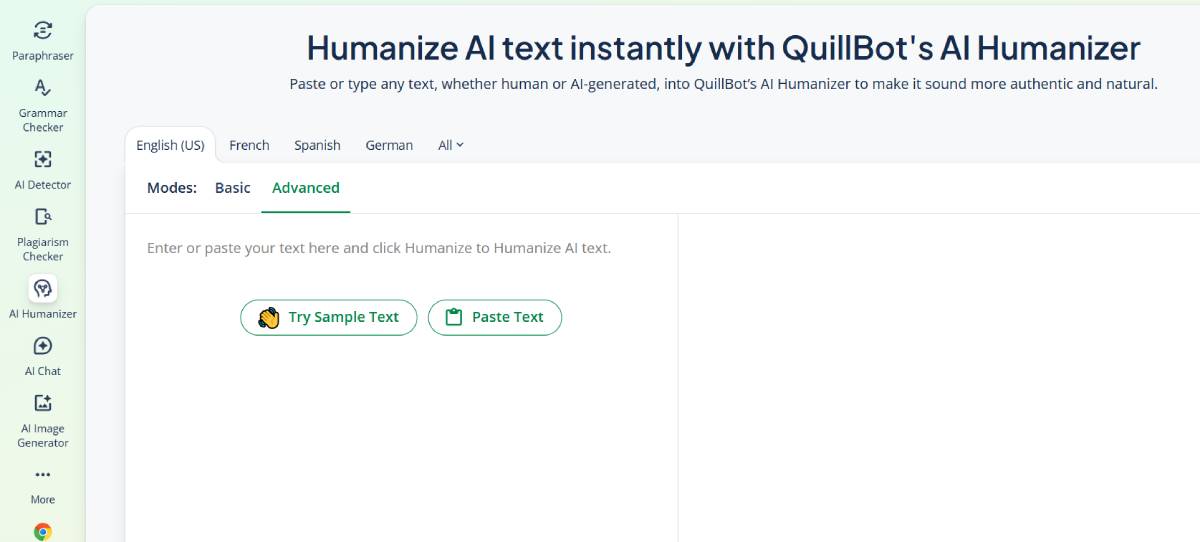
Programming Insider published a tested and ranked list of seven leading AI humanizer platforms designed to make machine-generated content appear more natural and less detectable by AI-detection systems.

February 24, 2026
|

A new industry ranking spotlighting the top AI “humanizer” tools of 2026 underscores a growing tension in digital publishing: creators increasingly rely on artificial intelligence, yet face mounting scrutiny over authenticity and detection. The trend signals evolving compliance, reputational, and monetization challenges for content-driven businesses worldwide.

Programming Insider published a tested and ranked list of seven leading AI humanizer platforms designed to make machine-generated content appear more natural and less detectable by AI-detection systems.

The tools evaluated focus on rewriting AI-generated text to mimic human tone, improve readability, and bypass automated detection algorithms used by publishers, academic institutions, and digital platforms.

The ranking reflects surging demand from freelance writers, marketing agencies, affiliate marketers, and SEO professionals seeking to balance efficiency with credibility. As AI-generated content becomes widespread, parallel demand for refinement and “humanization” software is accelerating, creating a new micro-sector within the generative AI economy.

The development aligns with a broader global trend where generative AI tools have transformed content creation workflows. Businesses across sectors now use AI to produce marketing copy, blogs, product descriptions, and social media posts at scale.

However, the proliferation of AI-generated text has triggered countermeasures. Educational institutions, publishers, and enterprise clients increasingly deploy AI-detection software to verify originality and authorship. This has given rise to a secondary market of AI humanizer tools that aim to refine or disguise machine-produced content.

The dynamic reflects a technological arms race: generation versus detection. For enterprises, the issue extends beyond productivity to brand authenticity, search engine rankings, and compliance standards. As regulatory conversations around AI transparency intensify, the balance between efficiency and disclosure is becoming a strategic concern.

Digital marketing analysts argue that AI humanizer tools represent a transitional phase in content automation. While they improve fluency and reduce robotic phrasing, overreliance could create ethical and reputational risks if transparency standards evolve.

SEO strategists note that search engines are increasingly prioritizing quality, user value, and experience over authorship signals alone. As algorithms grow more sophisticated, superficial rewriting may not guarantee performance gains.

Policy observers suggest that governments may eventually require clearer disclosure of AI-generated material, particularly in journalism, political communication, and education. If such mandates emerge, the utility of undetectable AI rewriting tools could diminish or face regulatory scrutiny.

Industry leaders emphasize that sustainable advantage will come from integrating AI responsibly rather than merely circumventing detection systems.

For content-driven enterprises, the rise of AI humanizers signals both opportunity and risk. Productivity gains can lower costs and scale operations, but misuse may erode trust or violate platform policies.

Investors tracking the creator economy may view the segment as indicative of sustained AI adoption across marketing and media sectors.

From a regulatory standpoint, debates around disclosure, copyright, and authenticity are likely to intensify. Companies may need to formalize internal AI governance policies to avoid reputational damage.

For C-suite leaders, the key question is not whether to use AI in content but how to deploy it transparently and strategically. As generative AI models improve in producing human-like language natively, demand for standalone humanizer tools may evolve or consolidate. At the same time, regulatory clarity and platform enforcement policies will shape the sector’s long-term viability.

The content economy’s next phase will hinge on trust, transparency, and intelligent AI integration not just automation speed.

Source: Programming Insider
Date: February 2026

  • Featured tools
Scalenut AI
Free

Scalenut AI is an all-in-one SEO content platform that combines AI-driven writing, keyword research, competitor insights, and optimization tools to help you plan, create, and rank content.

#
SEO
Learn more
Hostinger Horizons
Freemium

Hostinger Horizons is an AI-powered platform that allows users to build and deploy custom web applications without writing code. It packs hosting, domain management and backend integration into a unified tool for rapid app creation.

#
Startup Tools
#
Coding
#
Project Management
Learn more

Learn more about future of AI

Join 80,000+ Ai enthusiast getting weekly updates on exciting AI tools.
Thank you! Your submission has been received!
Oops! Something went wrong while submitting the form.

AI Humanizer Tools Surge Amid Detection Authenticity Pressures

February 24, 2026

Programming Insider published a tested and ranked list of seven leading AI humanizer platforms designed to make machine-generated content appear more natural and less detectable by AI-detection systems.

A new industry ranking spotlighting the top AI “humanizer” tools of 2026 underscores a growing tension in digital publishing: creators increasingly rely on artificial intelligence, yet face mounting scrutiny over authenticity and detection. The trend signals evolving compliance, reputational, and monetization challenges for content-driven businesses worldwide.

Programming Insider published a tested and ranked list of seven leading AI humanizer platforms designed to make machine-generated content appear more natural and less detectable by AI-detection systems.

The tools evaluated focus on rewriting AI-generated text to mimic human tone, improve readability, and bypass automated detection algorithms used by publishers, academic institutions, and digital platforms.

The ranking reflects surging demand from freelance writers, marketing agencies, affiliate marketers, and SEO professionals seeking to balance efficiency with credibility. As AI-generated content becomes widespread, parallel demand for refinement and “humanization” software is accelerating, creating a new micro-sector within the generative AI economy.

The development aligns with a broader global trend where generative AI tools have transformed content creation workflows. Businesses across sectors now use AI to produce marketing copy, blogs, product descriptions, and social media posts at scale.

However, the proliferation of AI-generated text has triggered countermeasures. Educational institutions, publishers, and enterprise clients increasingly deploy AI-detection software to verify originality and authorship. This has given rise to a secondary market of AI humanizer tools that aim to refine or disguise machine-produced content.

The dynamic reflects a technological arms race: generation versus detection. For enterprises, the issue extends beyond productivity to brand authenticity, search engine rankings, and compliance standards. As regulatory conversations around AI transparency intensify, the balance between efficiency and disclosure is becoming a strategic concern.

Digital marketing analysts argue that AI humanizer tools represent a transitional phase in content automation. While they improve fluency and reduce robotic phrasing, overreliance could create ethical and reputational risks if transparency standards evolve.

SEO strategists note that search engines are increasingly prioritizing quality, user value, and experience over authorship signals alone. As algorithms grow more sophisticated, superficial rewriting may not guarantee performance gains.

Policy observers suggest that governments may eventually require clearer disclosure of AI-generated material, particularly in journalism, political communication, and education. If such mandates emerge, the utility of undetectable AI rewriting tools could diminish or face regulatory scrutiny.

Industry leaders emphasize that sustainable advantage will come from integrating AI responsibly rather than merely circumventing detection systems.

For content-driven enterprises, the rise of AI humanizers signals both opportunity and risk. Productivity gains can lower costs and scale operations, but misuse may erode trust or violate platform policies.

Investors tracking the creator economy may view the segment as indicative of sustained AI adoption across marketing and media sectors.

From a regulatory standpoint, debates around disclosure, copyright, and authenticity are likely to intensify. Companies may need to formalize internal AI governance policies to avoid reputational damage.

For C-suite leaders, the key question is not whether to use AI in content but how to deploy it transparently and strategically. As generative AI models improve in producing human-like language natively, demand for standalone humanizer tools may evolve or consolidate. At the same time, regulatory clarity and platform enforcement policies will shape the sector’s long-term viability.

The content economy’s next phase will hinge on trust, transparency, and intelligent AI integration not just automation speed.

Source: Programming Insider
Date: February 2026

Promote Your Tool

Copy Embed Code

Similar Blogs

February 24, 2026
|

Jamie Dimon Calms Markets, Downplays AI Disruption Risks

Dimon addressed concerns at a corporate briefing, emphasizing JPMorgan’s proactive adoption of AI for efficiency, compliance, and customer services.
Read more
February 24, 2026
|

Asian Markets Steady After Wall Street Rout in AI Exposed Stocks

Markets across Asia traded unevenly following a sharp US selloff in technology and legacy IT stocks exposed to AI disruption. Wall Street investors rotated out of companies perceived as vulnerable to automation.
Read more
February 24, 2026
|

Crypto Markets Slide as AI Jitters Trigger Sharp IBM Selloff

Cryptocurrency markets recorded deeper declines amid a broader tech-led selloff, reflecting risk-off sentiment among global investors. IBM shares plunged 11%, highlighting heightened sensitivity to earnings expectations.
Read more
February 24, 2026
|

Indian IT Stocks Extend Losses as AI Fears Trigger Global Repricing

Shares of major Indian IT services firms extended losses following global volatility in AI-linked equities.
Read more
February 24, 2026
|

AI Coding Platforms Threaten Freemium App Model Economics

Advances in generative AI coding assistants now allow users to create simple, task-specific applications through natural language prompts, reducing reliance on standalone freemium utilities.
Read more
February 24, 2026
|

AI Powered Body Scans Expand Across Health and Retail

AI-driven body scanning platforms are increasingly being deployed in gyms, wellness centers, medical clinics, and retail environments.
Read more