



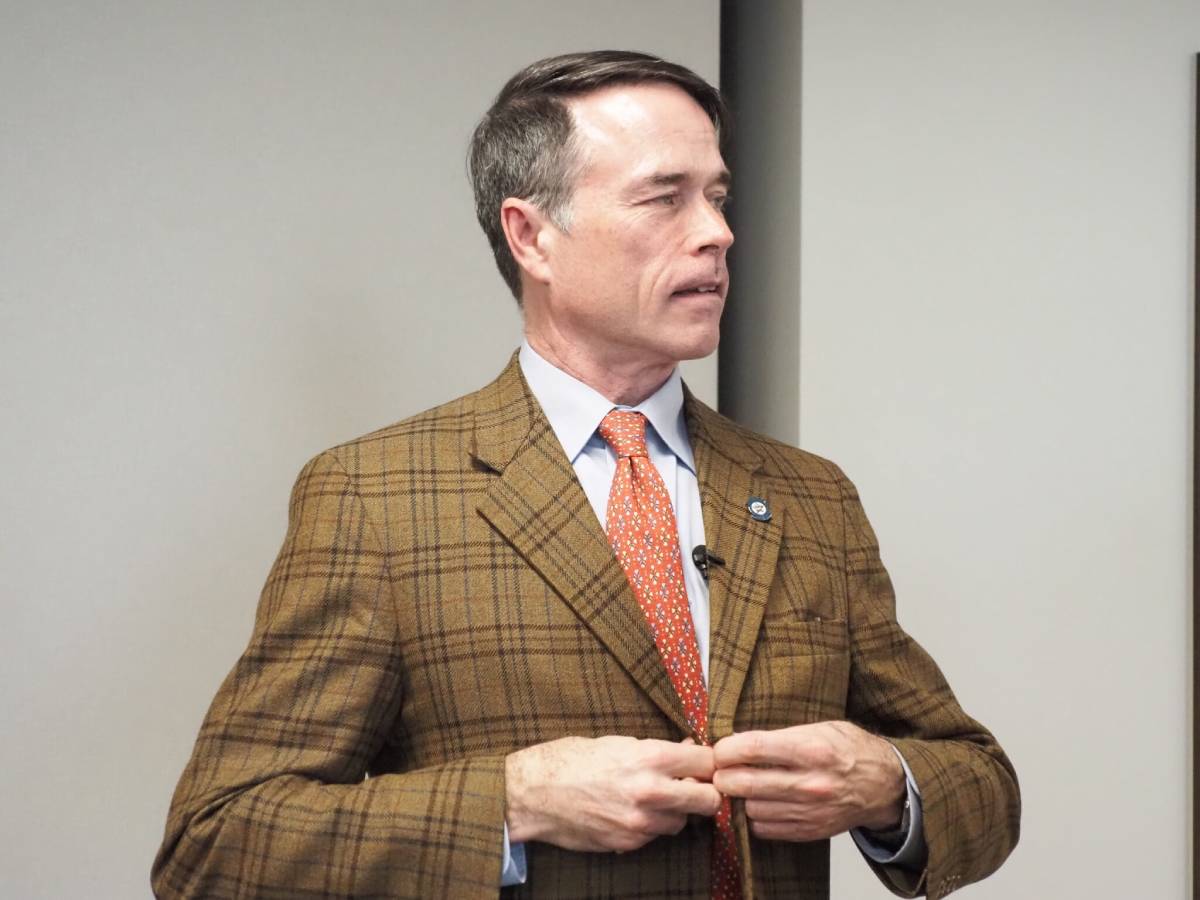
An Oklahoma lawmaker has suspended their reelection campaign following the of an AI-generated “kissing” video, highlighting the growing political risks posed by deepfake technology. The incident underscores mounting concerns around misinformation, reputational damage, and the vulnerability of democratic processes in the age of generative AI.
The controversy centers on an AI-generated video depicting the lawmaker in a fabricated scenario, which quickly circulated online and triggered public backlash. In response, the politician announced the suspension of their reelection campaign, citing the impact of the incident on their candidacy and personal reputation.
The timeline reflects how rapidly synthetic media can influence political narratives, with viral distribution amplifying the reach and consequences. Key stakeholders include political candidates, voters, technology platforms, and regulators.
The incident also highlights the increasing accessibility of generative AI tools capable of producing realistic but misleading content, raising concerns about their misuse in electoral contexts.
The development aligns with a broader trend across global markets where generative AI is reshaping information ecosystems, including political communication. Deepfake technology has evolved significantly in recent years, enabling the creation of highly realistic audio and video content that can be difficult to distinguish from reality.
Historically, misinformation campaigns relied on text and basic image manipulation. Today, AI-generated media has introduced a new level of sophistication, increasing the potential for deception and manipulation at scale.
Governments worldwide are grappling with how to regulate synthetic media, particularly in the context of elections. The issue is gaining urgency as major democracies prepare for upcoming electoral cycles, where AI-generated content could influence voter perception, trust, and participation.
Analysts warn that the Oklahoma case illustrates a broader vulnerability in modern political systems: the speed at which false or misleading AI-generated content can shape public opinion. Experts emphasize that even when debunked, such content can leave lasting reputational damage.
Technology specialists argue that detection tools and watermarking solutions are improving, but remain insufficient against the rapid evolution of generative AI capabilities. Industry leaders stress the need for collaboration between tech companies, governments, and civil society to mitigate risks.
Policy experts also highlight the importance of public awareness and media literacy, noting that individuals must become more critical consumers of digital content. Without robust safeguards, the misuse of AI could undermine trust in institutions and democratic processes.
Investors and markets could also face volatility if misinformation impacts corporate or political stability. Meanwhile, policymakers are likely to accelerate efforts to regulate synthetic media, including stricter rules for disclosure, platform accountability, and election-related content.
The situation highlights the growing intersection of technology, governance, and risk management in the digital age. Looking ahead, the role of AI in shaping public narratives is expected to intensify, particularly during election cycles. Decision-makers should monitor regulatory developments, advancements in detection technologies, and evolving platform policies. The balance between innovation and accountability will be critical, as societies work to safeguard trust and integrity in an increasingly AI-driven information environment.
Source: Oklahomavoice
Date: April 14, 2026


