
AI Cyberattacks Expose Critical Software Flaws

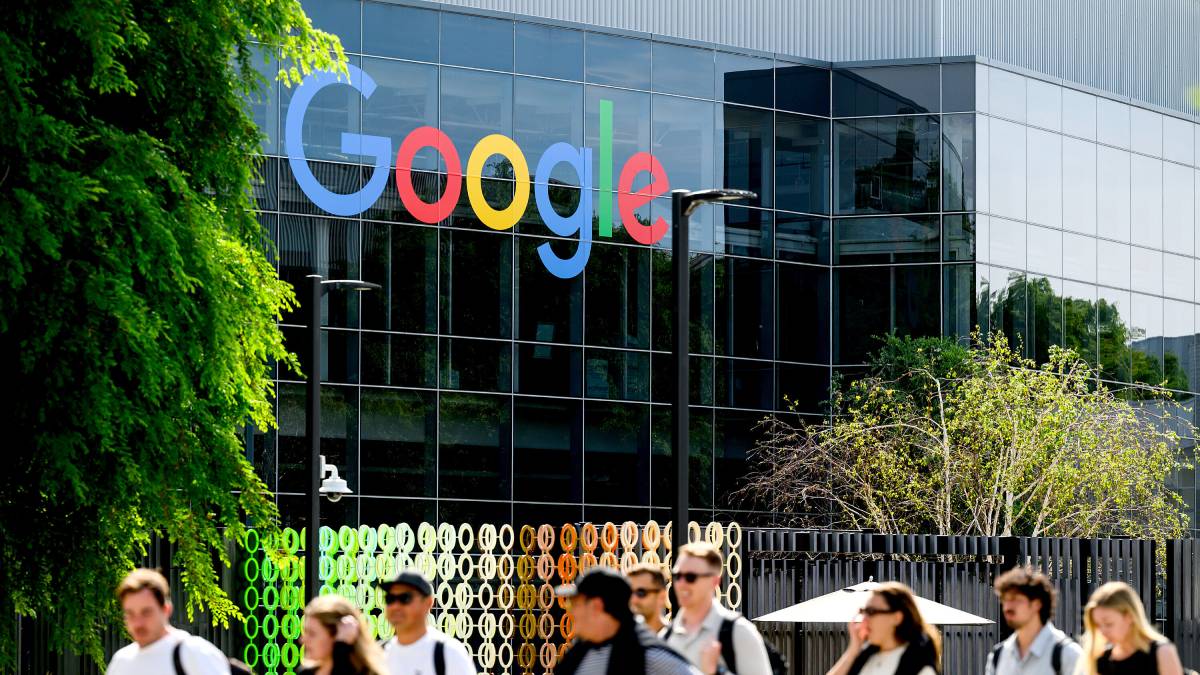
Google identified evidence suggesting threat actors leveraged AI systems to help uncover a major software flaw, highlighting how advanced language models and automated coding tools.

May 12, 2026
|

Google has warned that criminal hackers used artificial intelligence tools to identify a significant software vulnerability, marking a potentially dangerous evolution in cybercrime capabilities. The disclosure intensifies concerns among governments, enterprises, and cybersecurity leaders that generative AI may accelerate the speed, scale, and sophistication of digital attacks across critical infrastructure and global business systems.

Google identified evidence suggesting threat actors leveraged AI systems to help uncover a major software flaw, highlighting how advanced language models and automated coding tools are increasingly being weaponized for offensive cyber operations.

The incident underscores mounting fears that AI can significantly reduce the technical expertise required to conduct sophisticated cyberattacks. Security experts warn that malicious actors may now use AI to automate vulnerability discovery, generate exploit code, and accelerate phishing campaigns at unprecedented scale.

The disclosure arrives as governments and technology companies worldwide race to establish safeguards around frontier AI systems. Cybersecurity agencies are increasingly warning that AI-enhanced attacks could target financial institutions, healthcare systems, energy infrastructure, and cloud computing environments central to the global economy. The development also places renewed pressure on software vendors and enterprise IT teams to strengthen defensive security architectures against AI-assisted threats.

The emergence of AI-assisted cyberattacks reflects a broader transformation underway in the global cybersecurity landscape. Generative AI systems capable of writing code, analyzing software, and automating complex workflows are rapidly changing both defensive and offensive cyber operations.

The development aligns with a broader trend across global markets where AI technologies are simultaneously improving productivity while expanding the capabilities of cybercriminal networks. Over the past two years, security firms and intelligence agencies have repeatedly warned that advanced AI models could enable faster malware development, automated reconnaissance, and highly personalized social engineering attacks.

Major technology companies including Microsoft, OpenAI, and Anthropic have acknowledged the dual-use nature of generative AI systems, emphasizing the need for responsible deployment and stronger safety frameworks.

Governments worldwide are also increasingly treating cybersecurity as a national security priority amid rising geopolitical tensions and expanding digital dependence. The integration of AI into offensive cyber capabilities could significantly alter the balance between state-backed cyber operations, criminal ransomware groups, and corporate defense systems.

The latest disclosure reinforces concerns that AI may compress the timeline between vulnerability discovery and active exploitation, leaving enterprises with less time to respond to emerging threats.

Cybersecurity analysts describe the incident as a turning point in the evolution of AI-enabled threat activity. Experts note that while hackers have long used automation tools, generative AI dramatically expands accessibility by enabling less sophisticated actors to execute advanced operations.

Industry specialists argue that AI systems capable of analyzing massive code repositories can accelerate the discovery of software weaknesses far beyond traditional manual methods. Security researchers also warn that AI-generated exploit development may soon outpace conventional patch management cycles used by enterprises and government agencies.

Technology executives increasingly emphasize that cybersecurity strategies must evolve alongside AI adoption. Many organizations are now investing heavily in AI-driven threat detection systems capable of identifying abnormal behavior patterns and real-time attack signatures.

Policy experts also believe the disclosure could accelerate regulatory discussions around AI safeguards, export controls, and mandatory security testing for advanced models. Governments may seek stricter oversight over how powerful AI systems are deployed, particularly those capable of generating code or conducting autonomous analysis.

At the same time, analysts caution that AI itself is not inherently malicious. Many cybersecurity firms are simultaneously deploying AI to improve defensive resilience, automate incident response, and strengthen vulnerability detection capabilities.

For global executives, the incident reinforces the urgency of integrating cybersecurity resilience into broader AI adoption strategies. Enterprises deploying generative AI systems may need to significantly increase investments in threat monitoring, software auditing, and zero-trust security frameworks.

The development could also influence enterprise procurement decisions as businesses evaluate whether technology vendors provide adequate AI security protections. Cyber insurance markets, compliance standards, and regulatory reporting obligations may evolve rapidly in response to the growing threat of AI-assisted attacks.

From a policy standpoint, governments are likely to intensify discussions around AI governance, cybersecurity regulation, and cross-border digital security cooperation. Regulators may push for stronger safeguards around open-source AI systems and more rigorous security testing requirements for advanced models.

For investors and markets, cybersecurity firms specializing in AI-driven defense technologies could see rising demand as organizations seek protection against increasingly automated threat environments.

Attention will now focus on how quickly enterprises and governments adapt to the emergence of AI-assisted cyber threats. Security leaders are expected to accelerate investments in defensive AI systems, automated threat intelligence, and infrastructure resilience.

As artificial intelligence becomes more deeply integrated into the digital economy, the competition between AI-powered attackers and AI-powered defenders may define the next era of cybersecurity strategy. Organizations that fail to modernize security frameworks could face significantly higher operational and reputational risks.

Source: The New York Times
Date: May 12, 2026

  • Featured tools
Symphony Ayasdi AI
Free

SymphonyAI Sensa is an AI-powered surveillance and financial crime detection platform that surfaces hidden risk behavior through explainable, AI-driven analytics.

#
Finance
Learn more
WellSaid Ai
Free

WellSaid AI is an advanced text-to-speech platform that transforms written text into lifelike, human-quality voiceovers.

#
Text to Speech
Learn more

Learn more about future of AI

Join 80,000+ Ai enthusiast getting weekly updates on exciting AI tools.
Thank you! Your submission has been received!
Oops! Something went wrong while submitting the form.

AI Cyberattacks Expose Critical Software Flaws

May 12, 2026

Google identified evidence suggesting threat actors leveraged AI systems to help uncover a major software flaw, highlighting how advanced language models and automated coding tools.

Google has warned that criminal hackers used artificial intelligence tools to identify a significant software vulnerability, marking a potentially dangerous evolution in cybercrime capabilities. The disclosure intensifies concerns among governments, enterprises, and cybersecurity leaders that generative AI may accelerate the speed, scale, and sophistication of digital attacks across critical infrastructure and global business systems.

Google identified evidence suggesting threat actors leveraged AI systems to help uncover a major software flaw, highlighting how advanced language models and automated coding tools are increasingly being weaponized for offensive cyber operations.

The incident underscores mounting fears that AI can significantly reduce the technical expertise required to conduct sophisticated cyberattacks. Security experts warn that malicious actors may now use AI to automate vulnerability discovery, generate exploit code, and accelerate phishing campaigns at unprecedented scale.

The disclosure arrives as governments and technology companies worldwide race to establish safeguards around frontier AI systems. Cybersecurity agencies are increasingly warning that AI-enhanced attacks could target financial institutions, healthcare systems, energy infrastructure, and cloud computing environments central to the global economy. The development also places renewed pressure on software vendors and enterprise IT teams to strengthen defensive security architectures against AI-assisted threats.

The emergence of AI-assisted cyberattacks reflects a broader transformation underway in the global cybersecurity landscape. Generative AI systems capable of writing code, analyzing software, and automating complex workflows are rapidly changing both defensive and offensive cyber operations.

The development aligns with a broader trend across global markets where AI technologies are simultaneously improving productivity while expanding the capabilities of cybercriminal networks. Over the past two years, security firms and intelligence agencies have repeatedly warned that advanced AI models could enable faster malware development, automated reconnaissance, and highly personalized social engineering attacks.

Major technology companies including Microsoft, OpenAI, and Anthropic have acknowledged the dual-use nature of generative AI systems, emphasizing the need for responsible deployment and stronger safety frameworks.

Governments worldwide are also increasingly treating cybersecurity as a national security priority amid rising geopolitical tensions and expanding digital dependence. The integration of AI into offensive cyber capabilities could significantly alter the balance between state-backed cyber operations, criminal ransomware groups, and corporate defense systems.

The latest disclosure reinforces concerns that AI may compress the timeline between vulnerability discovery and active exploitation, leaving enterprises with less time to respond to emerging threats.

Cybersecurity analysts describe the incident as a turning point in the evolution of AI-enabled threat activity. Experts note that while hackers have long used automation tools, generative AI dramatically expands accessibility by enabling less sophisticated actors to execute advanced operations.

Industry specialists argue that AI systems capable of analyzing massive code repositories can accelerate the discovery of software weaknesses far beyond traditional manual methods. Security researchers also warn that AI-generated exploit development may soon outpace conventional patch management cycles used by enterprises and government agencies.

Technology executives increasingly emphasize that cybersecurity strategies must evolve alongside AI adoption. Many organizations are now investing heavily in AI-driven threat detection systems capable of identifying abnormal behavior patterns and real-time attack signatures.

Policy experts also believe the disclosure could accelerate regulatory discussions around AI safeguards, export controls, and mandatory security testing for advanced models. Governments may seek stricter oversight over how powerful AI systems are deployed, particularly those capable of generating code or conducting autonomous analysis.

At the same time, analysts caution that AI itself is not inherently malicious. Many cybersecurity firms are simultaneously deploying AI to improve defensive resilience, automate incident response, and strengthen vulnerability detection capabilities.

For global executives, the incident reinforces the urgency of integrating cybersecurity resilience into broader AI adoption strategies. Enterprises deploying generative AI systems may need to significantly increase investments in threat monitoring, software auditing, and zero-trust security frameworks.

The development could also influence enterprise procurement decisions as businesses evaluate whether technology vendors provide adequate AI security protections. Cyber insurance markets, compliance standards, and regulatory reporting obligations may evolve rapidly in response to the growing threat of AI-assisted attacks.

From a policy standpoint, governments are likely to intensify discussions around AI governance, cybersecurity regulation, and cross-border digital security cooperation. Regulators may push for stronger safeguards around open-source AI systems and more rigorous security testing requirements for advanced models.

For investors and markets, cybersecurity firms specializing in AI-driven defense technologies could see rising demand as organizations seek protection against increasingly automated threat environments.

Attention will now focus on how quickly enterprises and governments adapt to the emergence of AI-assisted cyber threats. Security leaders are expected to accelerate investments in defensive AI systems, automated threat intelligence, and infrastructure resilience.

As artificial intelligence becomes more deeply integrated into the digital economy, the competition between AI-powered attackers and AI-powered defenders may define the next era of cybersecurity strategy. Organizations that fail to modernize security frameworks could face significantly higher operational and reputational risks.

Source: The New York Times
Date: May 12, 2026

Promote Your Tool

Copy Embed Code

Similar Blogs

May 12, 2026
|

Alphabet Amazon Fund Expanding AI Infrastructure

Reports indicate Alphabet is exploring its first yen-denominated bond issuance as part of broader efforts to support AI-related spending. Amazon has also remained active in overseas financing markets while expanding cloud.
Read more
May 12, 2026
|

AI Detection Tools Face Legal Challenge

The lawsuit stems from allegations that a California high school student used generative AI to complete academic work, accusations reportedly based on AI-detection software analysis.
Read more
May 12, 2026
|

OpenAI Unveils $4 Billion AI Expansion

OpenAI announced the creation of a dedicated deployment-focused division aimed at helping corporations integrate AI systems into day-to-day operations at scale.
Read more
May 12, 2026
|

AI Memory Chip Boom Faces Risks

The latest debate emerged as Wall Street intensified bullish projections for AI-linked semiconductor companies, particularly manufacturers tied to advanced memory technologies.
Read more
May 12, 2026
|

Pentagon AI Veteran Warns Corporate Leaders

Drew Cukor, a former leader behind the Pentagon’s Project Maven initiative, argued that many corporations are approaching AI deployment with fragmented strategies, unrealistic expectations, and insufficient organizational alignment.
Read more
May 12, 2026
|

AI Cyberattacks Exploit New 2FA Weakness

Security researchers disclosed that threat actors leveraged AI-assisted techniques to identify and exploit vulnerabilities enabling the first widely discussed zero-day bypass targeting two-factor authentication systems for mass exploitation.
Read more