



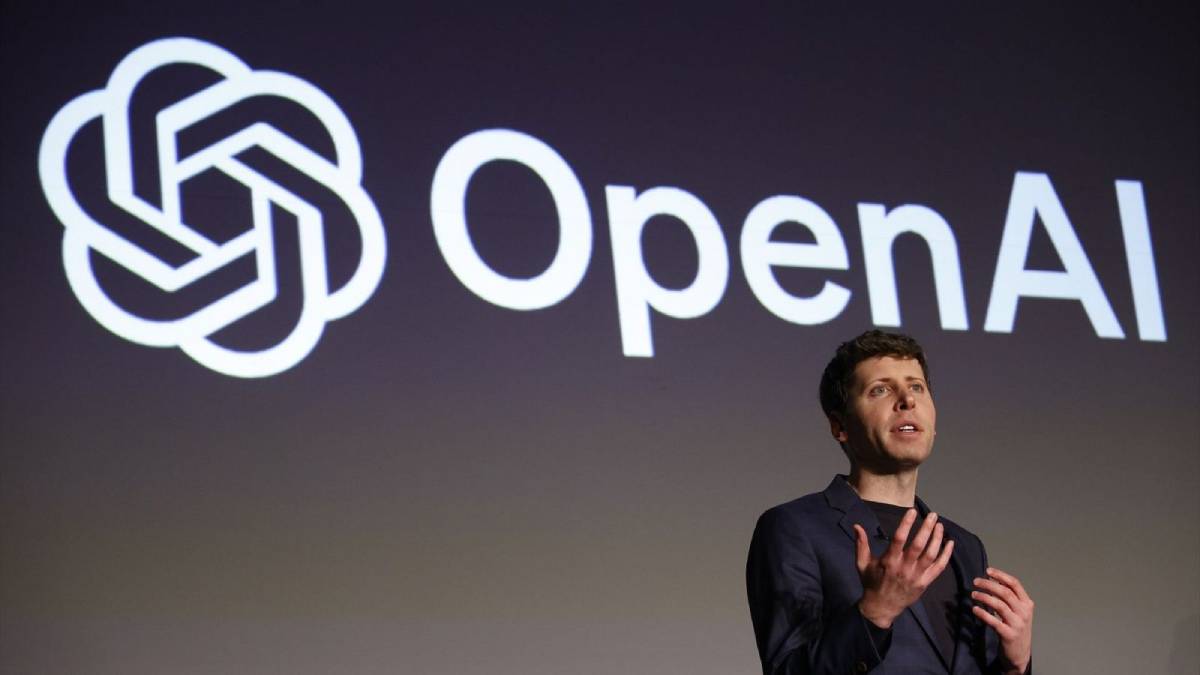
OpenAI has launched a new business-focused unit backed by a reported $4 billion investment, intensifying the global race to commercialize artificial intelligence across enterprise operations. The move signals a deeper push into corporate AI deployment, with implications for cloud providers, software vendors, regulators, and multinational firms seeking to integrate generative AI into core business functions.
OpenAI announced the creation of a dedicated deployment-focused division aimed at helping corporations integrate AI systems into day-to-day operations at scale. The initiative reportedly includes a $4 billion investment designed to expand enterprise infrastructure, implementation services, and strategic partnerships.
The new unit is expected to support businesses deploying advanced AI tools across sectors including finance, healthcare, manufacturing, cybersecurity, and customer service. The move comes amid surging enterprise demand for generative AI applications and intensifying competition between major AI providers such as Microsoft, Google Cloud, and Amazon Web Services.
The investment also reflects growing pressure on AI companies to transition from experimental consumer products toward large-scale commercial monetization strategies capable of generating recurring enterprise revenue.
The announcement aligns with a broader transformation underway in global technology markets as businesses accelerate adoption of generative AI systems. Since the launch of mainstream AI chatbots and large language models, enterprises have increasingly shifted from pilot programs to full operational integration.
Corporations are now investing heavily in AI-driven automation, software development, analytics, digital assistants, and workflow optimization tools. This demand has created fierce competition among cloud infrastructure providers and AI developers seeking long-term enterprise contracts.
The market shift also reflects changing investor expectations. Technology firms are under growing pressure to demonstrate sustainable AI revenue streams beyond consumer subscriptions and experimental products. Enterprise deployment services have therefore emerged as one of the most strategically valuable areas within the AI economy.
Geopolitically, the expansion comes as governments in the United States, Europe, China, and the Middle East increase investments in AI infrastructure and regulatory oversight. Policymakers are simultaneously encouraging innovation while scrutinizing issues related to data privacy, cybersecurity, intellectual property, and workforce disruption.
The creation of a dedicated enterprise-focused AI deployment arm positions OpenAI more directly against established enterprise software vendors and consulting firms competing to dominate the next phase of digital transformation.
Industry analysts view the initiative as a sign that the AI industry is entering a more mature commercial phase focused on enterprise execution rather than experimental hype. Experts argue that while consumer-facing AI tools generated global attention, long-term profitability will likely depend on corporate integration and infrastructure partnerships.
Technology consultants note that many companies continue struggling with implementation challenges, including governance frameworks, data security concerns, employee training, and integration with legacy systems. A dedicated deployment-focused business unit could help bridge the gap between AI capability and enterprise-scale execution.
Corporate strategists also believe OpenAI’s investment reflects intensifying pressure from rivals building vertically integrated AI ecosystems. Companies such as Anthropic, IBM, and Oracle are aggressively expanding enterprise AI offerings, while cloud hyperscalers continue embedding generative AI across software suites and infrastructure services.
Policy analysts warn, however, that rapid enterprise AI deployment could intensify regulatory scrutiny. Governments are increasingly concerned about algorithmic transparency, workforce displacement, misinformation risks, and concentration of power among a small number of dominant AI providers.
For corporate leaders, the expansion could accelerate AI adoption across operational workflows, customer engagement, and strategic decision-making. Enterprises may gain broader access to customized deployment support, potentially lowering implementation barriers for large-scale AI integration.
Investors are likely to interpret the initiative as another signal that enterprise AI spending remains a long-term growth driver for global technology markets. Consulting firms, cybersecurity providers, and cloud infrastructure companies could also benefit from rising demand for AI integration services.
At the policy level, governments may intensify discussions around AI governance standards as enterprise deployments become more deeply embedded within critical industries. Regulators are expected to focus on accountability, data protection, and ethical oversight while balancing competitiveness and innovation objectives.
The move may further reshape labor markets as businesses increasingly automate repetitive functions while prioritizing AI-enabled productivity gains.
Attention will now shift toward how quickly enterprises adopt large-scale AI deployment services and whether companies can generate measurable productivity gains from implementation. Industry observers will also monitor competitive responses from rival AI firms and hyperscale cloud providers.
As AI transitions from experimentation to enterprise infrastructure, the next phase of growth will likely depend less on novelty and more on execution, governance, scalability, and measurable business outcomes.
Source: Reuters
Date: May 11, 2026


