



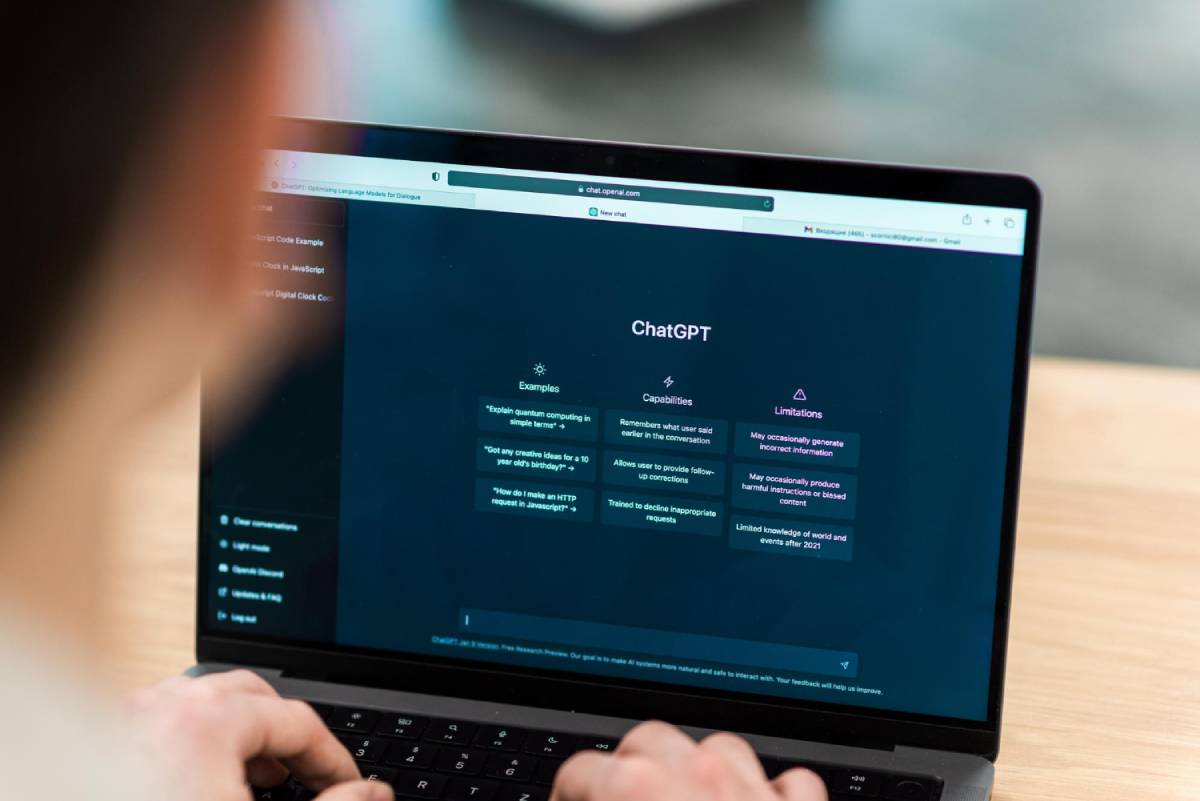
AI chatbots are increasingly becoming near-constant companions for teenagers, prompting concerns among parents, educators, and child development experts. The rapid integration of conversational AI into daily life is transforming social and emotional interactions, highlighting risks related to mental health, privacy, and digital dependency for the younger demographic.
Recent studies indicate that a significant proportion of teens are engaging with AI chatbots for companionship, advice, and entertainment. Platforms offering 24/7 interaction have seen rising AI adoption rates, while parents and educators report both benefits such as learning support and challenges, including reduced human interaction.
Timelines show a sharp increase in usage over the past two years, coinciding with the launch of advanced, highly personalized conversational AI systems. Major stakeholders include tech companies developing AI chatbots, school systems addressing digital wellness, and mental health professionals monitoring adolescent well-being. The trend underscores growing ethical, regulatory, and social considerations in AI deployment among minors.
The phenomenon of AI chatbots as social companions reflects broader trends in technology-driven behavioral shifts among adolescents. Teens are increasingly digital-native, with social and emotional engagement often occurring online. The advent of conversational AI has accelerated this shift, offering highly responsive interactions that can mimic empathy and friendship.
Historically, digital devices, social media platforms, and gaming have influenced teen socialization patterns. AI chatbots now add a layer of persistent, personalized engagement, potentially influencing emotional development, peer interactions, and even decision-making. For educators, policymakers, and corporate leaders, understanding these dynamics is critical to developing frameworks that balance innovation with adolescent well-being. This development aligns with global discussions on ethical AI use, digital mental health, and safeguarding minors in increasingly AI-integrated environments.
Child psychologists and technology analysts highlight both opportunities and risks of AI engagement for teens. Experts suggest AI chatbots can provide safe spaces for learning, emotional expression, and mental health support when appropriately monitored. However, they warn that overreliance may reduce real-world social skills, heighten isolation, and create exposure to unmoderated AI outputs.
Corporate spokespeople emphasize their commitment to safety features, moderation, and responsible AI deployment. Industry leaders note that ethical guidelines, parental controls, and digital literacy education are critical to mitigating risk. Geopolitical analysts point to potential regulatory responses as governments globally consider policies on AI interactions with minors, digital privacy, and mental health safeguards. Experts converge on the need for proactive monitoring, guidance, and transparency to ensure AI benefits are realized without compromising teen development.
For technology companies, the rise of AI chatbots among teens creates both market opportunities and regulatory scrutiny. Businesses must invest in safety, transparency, and ethical AI practices to maintain trust and avoid liability. Investors should consider potential regulatory impacts on AI platform growth and adoption.
For parents, educators, and policymakers, the trend signals a need for guidelines around digital exposure, emotional wellness, and AI literacy. Schools may integrate AI awareness programs, while governments could enforce stricter safeguards on AI accessibility to minors. Analysts warn that companies failing to adopt responsible AI practices risk reputational damage, regulatory penalties, and reduced market confidence.
Decision-makers should monitor AI adoption trends among minors, regulatory developments, and emerging best practices for digital wellness. Tech companies are expected to enhance moderation, parental control features, and ethical frameworks for teen engagement. Uncertainties remain around the long-term psychological impact of persistent AI companionship and potential policy mandates. Close collaboration between industry, regulators, and educators will be essential to balance innovation with child safety, ensuring AI contributes positively to teen development.
Source & Date
Source: WBAY
Date: January 13, 2026


