
Zoho Advances Smarter Workforce Scheduling

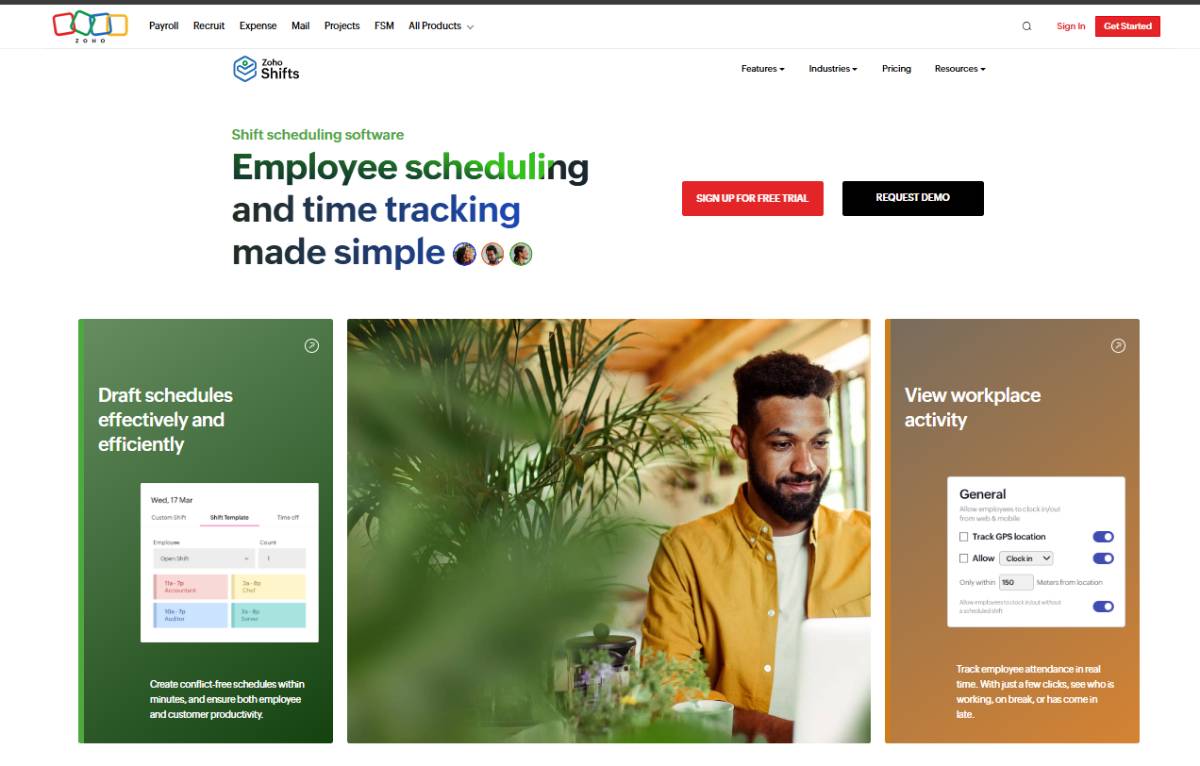
Zoho Shifts enables managers to create employee schedules across teams, locations and job positions while accounting for availability and time-off requirements.

August 13, 2026
|

Zoho Shifts is advancing digital workforce management by bringing employee scheduling, availability, time tracking and shift coordination into a centralized platform. The solution targets businesses managing hourly and distributed teams, addressing growing pressure to control labor costs, improve staffing efficiency and provide employees with greater visibility into their working schedules.

Zoho Shifts enables managers to create employee schedules across teams, locations and job positions while accounting for availability and time-off requirements. Organizations can establish recurring shifts, manage open shifts and facilitate employee shift swaps.

The platform also extends beyond scheduling through time tracking and attendance capabilities. Depending on configuration, businesses can use mobile or kiosk clock-ins, GPS-based tracking, geofencing, overtime monitoring and payroll-related exports.

These capabilities create a connected workflow between workforce planning and attendance management. For businesses with large hourly workforces, the approach can reduce manual scheduling processes while providing managers with greater visibility into staffing requirements and employee hours.

Workforce scheduling has become a strategic operational issue as organizations manage fluctuating demand, distributed teams and increasingly complex employee availability. Industries such as retail, hospitality, healthcare, education and professional services often need to match staffing levels with changing customer and operational requirements.

Manual spreadsheets and disconnected scheduling systems can create unnecessary administrative work while increasing the risk of conflicts, missed shifts and inefficient labor allocation. Digital workforce platforms are therefore increasingly being adopted to centralize scheduling and improve coordination.

Zoho Shifts fits into this broader transition by combining scheduling with employee communication, availability management and time-related workflows. Its mobile orientation also reflects changing expectations among employees who increasingly want immediate access to schedules and workplace information.

For executives, the broader significance is operational visibility. Workforce data can help organizations identify staffing gaps, monitor labor utilization and make more informed decisions about scheduling and workforce costs.

Zoho's approach emphasizes centralized workforce coordination, allowing managers to build schedules while considering employee availability, time-off requests and scheduling constraints. These capabilities are particularly relevant for organizations where staffing requirements change frequently.

From a management perspective, greater scheduling visibility can improve coordination between supervisors and employees. Automated notifications and mobile access can also reduce communication delays when schedules change or open shifts need to be filled.

The integration of scheduling with attendance and time tracking is strategically important because it connects workforce planning with actual hours worked. This can give managers a clearer picture of overtime, attendance and labor utilization.

Industry experts would nevertheless emphasize that technology alone does not guarantee better workforce outcomes. Organizations must combine digital scheduling with clear policies, employee communication and appropriate oversight. Features involving location tracking and workforce monitoring also require careful consideration of privacy, transparency and applicable employment regulations.

For businesses, Zoho Shifts can help reduce the administrative burden associated with creating and maintaining employee schedules. Centralized scheduling may also improve workforce coordination across multiple teams and locations.

For executives, the potential financial impact centers on labor utilization. More accurate scheduling can help businesses align staffing with demand, monitor overtime and identify inefficient workforce allocation.

Employees can benefit from greater access to schedules, availability controls, shift information and workplace communication tools. This can provide greater predictability while making schedule-related interactions more transparent.

For policymakers and business leaders, workforce technology also raises governance considerations. Companies using attendance, GPS or geofencing capabilities should establish appropriate safeguards around employee data and ensure their practices comply with relevant labor and privacy requirements.

The workforce-management sector is moving toward integrated platforms that combine scheduling, attendance, communication, analytics and payroll workflows. Zoho Shifts is positioned within this broader transformation. Future developments are likely to focus on intelligent scheduling, automation, predictive workforce analytics and deeper integrations. For business leaders, the key measure will be whether these technologies translate into lower administrative costs, stronger labor utilization and a better employee experience.

Source: Crozdesk
Date: August 13, 2026

  • Featured tools
Tome AI
Free

Tome AI is an AI-powered storytelling and presentation tool designed to help users create compelling narratives and presentations quickly and efficiently. It leverages advanced AI technologies to generate content, images, and animations based on user input.

#
Presentation
#
Startup Tools
Learn more
Hostinger Website Builder
Paid

Hostinger Website Builder is a drag-and-drop website creator bundled with hosting and AI-powered tools, designed for businesses, blogs and small shops with minimal technical effort.It makes launching a site fast and affordable, with templates, responsive design and built-in hosting all in one.

#
Productivity
#
Startup Tools
#
Ecommerce
Learn more

Learn more about future of AI

Join 80,000+ Ai enthusiast getting weekly updates on exciting AI tools.
Thank you! Your submission has been received!
Oops! Something went wrong while submitting the form.

Zoho Advances Smarter Workforce Scheduling

August 13, 2026

Zoho Shifts enables managers to create employee schedules across teams, locations and job positions while accounting for availability and time-off requirements.

Zoho Shifts is advancing digital workforce management by bringing employee scheduling, availability, time tracking and shift coordination into a centralized platform. The solution targets businesses managing hourly and distributed teams, addressing growing pressure to control labor costs, improve staffing efficiency and provide employees with greater visibility into their working schedules.

Zoho Shifts enables managers to create employee schedules across teams, locations and job positions while accounting for availability and time-off requirements. Organizations can establish recurring shifts, manage open shifts and facilitate employee shift swaps.

The platform also extends beyond scheduling through time tracking and attendance capabilities. Depending on configuration, businesses can use mobile or kiosk clock-ins, GPS-based tracking, geofencing, overtime monitoring and payroll-related exports.

These capabilities create a connected workflow between workforce planning and attendance management. For businesses with large hourly workforces, the approach can reduce manual scheduling processes while providing managers with greater visibility into staffing requirements and employee hours.

Workforce scheduling has become a strategic operational issue as organizations manage fluctuating demand, distributed teams and increasingly complex employee availability. Industries such as retail, hospitality, healthcare, education and professional services often need to match staffing levels with changing customer and operational requirements.

Manual spreadsheets and disconnected scheduling systems can create unnecessary administrative work while increasing the risk of conflicts, missed shifts and inefficient labor allocation. Digital workforce platforms are therefore increasingly being adopted to centralize scheduling and improve coordination.

Zoho Shifts fits into this broader transition by combining scheduling with employee communication, availability management and time-related workflows. Its mobile orientation also reflects changing expectations among employees who increasingly want immediate access to schedules and workplace information.

For executives, the broader significance is operational visibility. Workforce data can help organizations identify staffing gaps, monitor labor utilization and make more informed decisions about scheduling and workforce costs.

Zoho's approach emphasizes centralized workforce coordination, allowing managers to build schedules while considering employee availability, time-off requests and scheduling constraints. These capabilities are particularly relevant for organizations where staffing requirements change frequently.

From a management perspective, greater scheduling visibility can improve coordination between supervisors and employees. Automated notifications and mobile access can also reduce communication delays when schedules change or open shifts need to be filled.

The integration of scheduling with attendance and time tracking is strategically important because it connects workforce planning with actual hours worked. This can give managers a clearer picture of overtime, attendance and labor utilization.

Industry experts would nevertheless emphasize that technology alone does not guarantee better workforce outcomes. Organizations must combine digital scheduling with clear policies, employee communication and appropriate oversight. Features involving location tracking and workforce monitoring also require careful consideration of privacy, transparency and applicable employment regulations.

For businesses, Zoho Shifts can help reduce the administrative burden associated with creating and maintaining employee schedules. Centralized scheduling may also improve workforce coordination across multiple teams and locations.

For executives, the potential financial impact centers on labor utilization. More accurate scheduling can help businesses align staffing with demand, monitor overtime and identify inefficient workforce allocation.

Employees can benefit from greater access to schedules, availability controls, shift information and workplace communication tools. This can provide greater predictability while making schedule-related interactions more transparent.

For policymakers and business leaders, workforce technology also raises governance considerations. Companies using attendance, GPS or geofencing capabilities should establish appropriate safeguards around employee data and ensure their practices comply with relevant labor and privacy requirements.

The workforce-management sector is moving toward integrated platforms that combine scheduling, attendance, communication, analytics and payroll workflows. Zoho Shifts is positioned within this broader transformation. Future developments are likely to focus on intelligent scheduling, automation, predictive workforce analytics and deeper integrations. For business leaders, the key measure will be whether these technologies translate into lower administrative costs, stronger labor utilization and a better employee experience.

Source: Crozdesk
Date: August 13, 2026

Promote Your Tool

Copy Embed Code

Similar Blogs

August 14, 2026
|

Benefitfocus Expands Digital Benefits Administration

Benefitfocus provides cloud-based technology covering benefits enrollment, administration, communications, billing, payments and data exchange.
Read more
August 14, 2026
|

Travel Agent Revenue Models Evolve Digitally

Travel agencies can earn commissions when customers book hotels, cruises, tours, vacation packages and other travel products through them. Suppliers may pay agents for generating bookings, making commissions a traditional component of agency revenue.
Read more
August 14, 2026
|

Sofon Advances Guided Selling CPQ Automation

Sofon's platform combines guided selling, product configuration, pricing, quotation and sales-management capabilities. Guided questionnaires help sales teams identify customer requirements and translate them into suitable product configurations.
Read more
August 14, 2026
|

WellRyde Advances Medical Transportation Management

WellRyde provides technology for managing non-emergency medical transportation operations, including trip scheduling, dispatch coordination, transportation-provider management and reporting.
Read more
August 14, 2026
|

Review WAVE Advances Digital Patient Engagement

Review WAVE provides healthcare practices with tools for online appointment scheduling, two-way texting, automated appointment reminders, digital forms, web chat, marketing campaigns and online review generation.
Read more
August 14, 2026
|

Edgenuity Expands Digital Virtual Education

Edgenuity provides digital curriculum and learning solutions covering core academic subjects, electives, Advanced Placement and career-oriented education.
Read more