



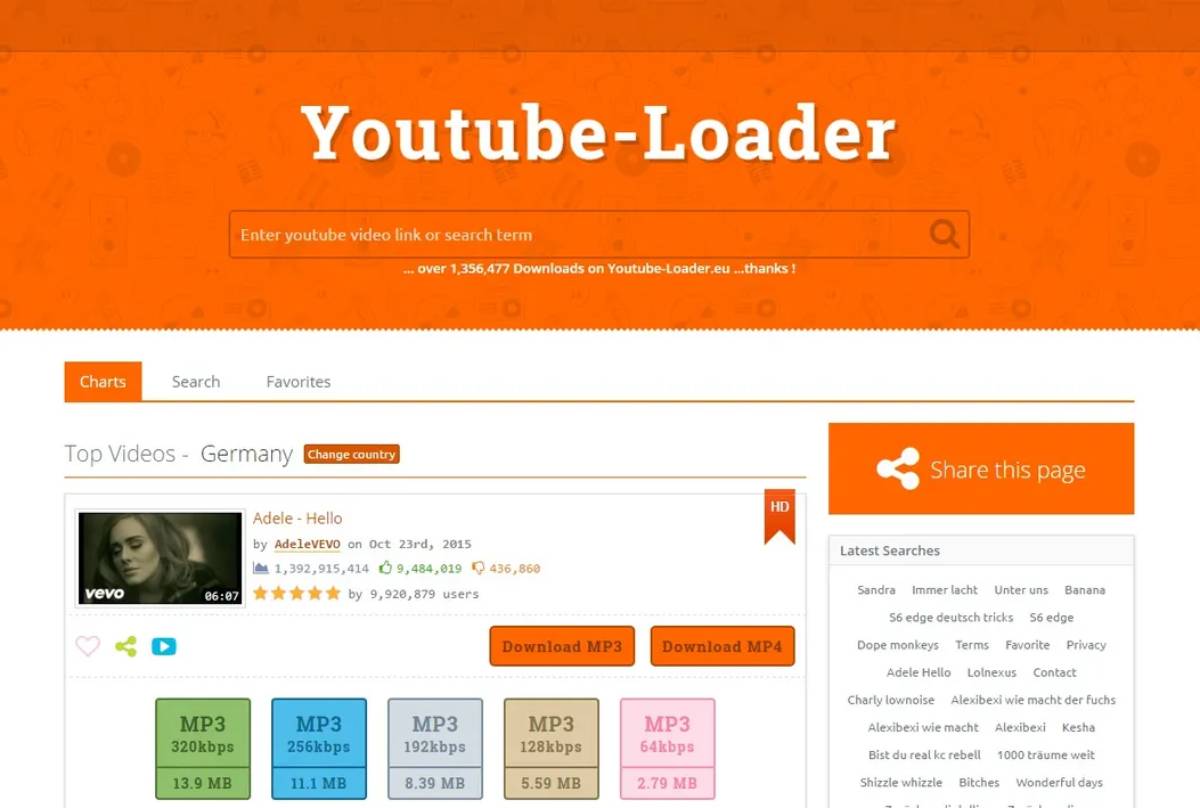
Youtube-Loader.eu reflects continued demand for online media conversion utilities that help users manage digital audio and video content. The platform illustrates broader shifts in web-based media tools and consumer demand for flexible content access, while also highlighting ongoing industry discussions surrounding copyright compliance, platform policies, and responsible digital media use.
Youtube-Loader.eu is listed as an online media conversion utility that enables users to process publicly available online media into different formats for offline use. The platform represents a category of browser-based utilities designed to simplify media accessibility without requiring software installation.
Its presence reflects continued consumer interest in lightweight web applications offering convenience and cross-device compatibility. At the same time, online media conversion services operate within a complex digital ecosystem shaped by copyright regulations, content licensing agreements, platform terms of service, and evolving international intellectual property standards that influence their adoption and long-term viability.
The rapid growth of streaming services has fundamentally changed how consumers access music, videos, educational resources, and entertainment. While cloud-based streaming remains the dominant distribution model, demand continues for tools that support offline media access, format conversion, and cross-platform compatibility.
This evolution has created a niche market for browser-based media utilities that emphasize simplicity and accessibility. However, the sector also faces heightened scrutiny regarding compliance with copyright laws, licensing frameworks, and digital rights management (DRM) policies established by content owners and online platforms.
Governments and technology companies continue strengthening intellectual property protections while promoting legal digital content ecosystems. Consequently, developers of media-related tools must balance innovation with adherence to platform policies and applicable copyright regulations across different jurisdictions.
Technology analysts observe that browser-based media utilities remain popular because they eliminate installation barriers and improve accessibility across multiple operating systems and devices. Experts note that user demand is increasingly driven by convenience, mobility, and flexible content management.
Legal and intellectual property specialists, however, emphasize that the use of media conversion tools should always comply with applicable copyright legislation and the terms of service governing digital platforms. Organizations are encouraged to implement clear digital content governance policies to ensure lawful handling of online media.
Although no official corporate statements accompany the platform's listing, industry observers broadly agree that future innovation in digital media services will increasingly prioritize licensed distribution models, cloud integration, and enhanced user experiences within established legal frameworks.
For businesses, the continued popularity of browser-based media utilities demonstrates ongoing demand for accessible digital content management solutions and lightweight web applications. Technology companies may explore opportunities in legitimate media management, cloud storage, and enterprise content delivery services.
Investors remain focused on digital media infrastructure, cloud platforms, and licensed content ecosystems that support sustainable business growth. For policymakers, evolving online media technologies reinforce the importance of balanced copyright enforcement, digital innovation, consumer rights, and international cooperation on intellectual property governance while encouraging responsible technology development.
The digital media ecosystem is expected to continue evolving through cloud technologies, AI-powered content management, and enhanced cross-platform accessibility. Decision-makers should monitor regulatory developments involving copyright, digital rights management, and online platform governance. Sustainable growth in this sector will increasingly depend on balancing user convenience with intellectual property protection and compliance with evolving legal standards.
Source: AlternativeTo
Date: July 23, 2026


