
Y2mate Expands Flexible Video Access

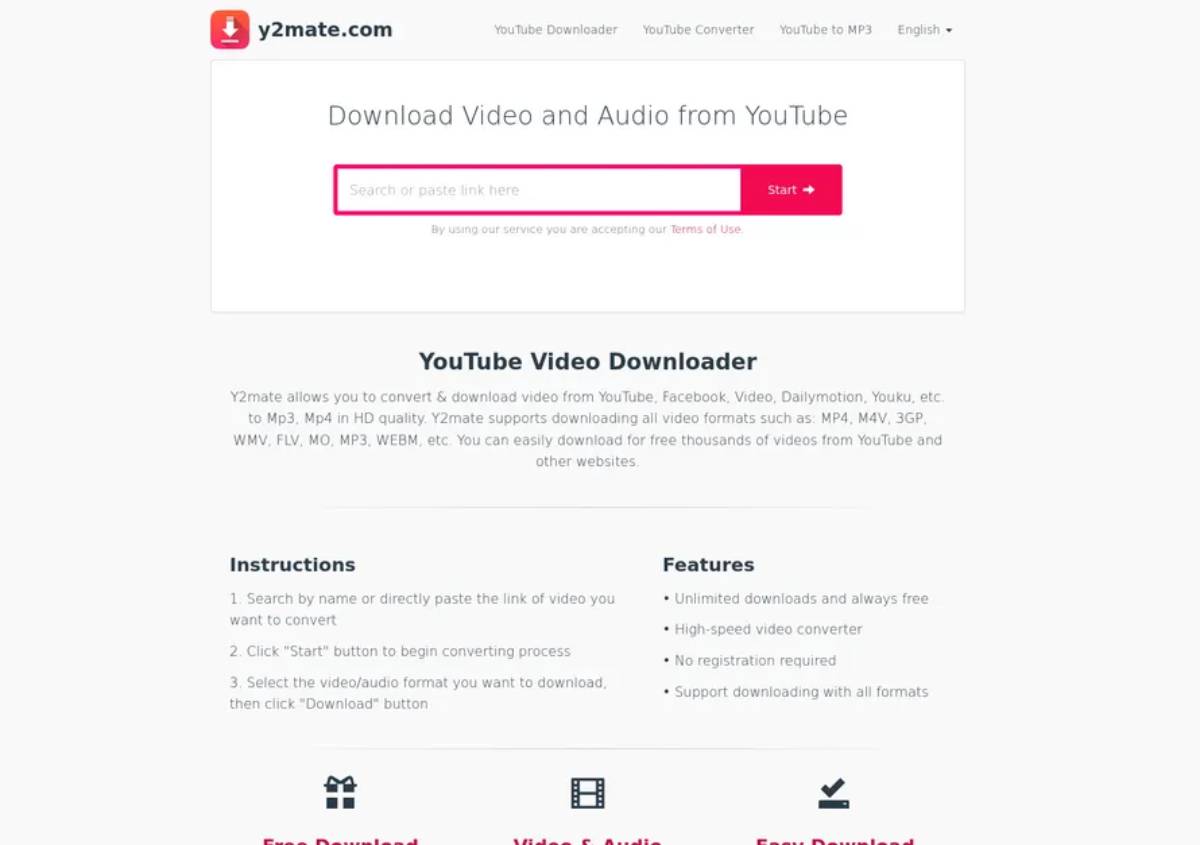
Y2mate represents a category of online video utility platforms focused on converting and managing digital video content.

July 29, 2026
|

The rapid growth of online video consumption is driving continued interest in digital media management tools such as y2mate. Designed around video conversion and accessibility, the platform reflects a broader technology trend where users seek greater flexibility in handling online content while businesses and platforms navigate changing expectations around digital media access.

Y2mate represents a category of online video utility platforms focused on converting and managing digital video content. The service gained attention among users looking for convenient ways to access online media in different formats.

The platform’s popularity reflects increasing demand for flexible content solutions as video becomes central to entertainment, education, communication, and professional workflows. Key stakeholders include digital consumers, content creators, streaming platforms, and technology providers.

As online video ecosystems continue expanding, tools that simplify media handling remain part of a larger conversation around accessibility, user convenience, platform policies, and the future of digital content consumption.

Video has become one of the most influential forms of digital communication, powering industries ranging from entertainment and advertising to education and enterprise training. The expansion of streaming platforms has transformed how audiences discover and consume content, but it has also increased demand for flexible ways to manage digital media.

Historically, users depended on physical media or downloaded files for content access. Modern internet infrastructure shifted consumption toward cloud-based platforms, creating new challenges around connectivity, availability, and personal media management.

Tools such as y2mate emerged within this evolving landscape by addressing user demand for greater control over digital content workflows. At the same time, the growth of these services has encouraged wider discussions about copyright protection, platform regulations, and the balance between accessibility and content ownership in the digital economy.

Digital media analysts suggest that the continued interest in video utility platforms reflects changing consumer expectations. Users increasingly value convenience, portability, and personalized access to digital resources across multiple devices.

Industry experts highlight that video technologies are becoming more important for remote learning, business communication, and entertainment markets. As a result, solutions that improve content management continue attracting attention from technology communities.

However, analysts also emphasize that digital media tools operate within a complex environment shaped by copyright rules, platform agreements, and creator rights. The future development of these technologies will likely depend on creating solutions that support user needs while respecting broader digital ecosystem standards.

The evolution of platforms like y2mate demonstrates the ongoing transformation of how people interact with online video content. For businesses, the growth of video management tools highlights the increasing importance of adaptable digital content strategies. Companies producing educational materials, promotional videos, and training resources must consider how audiences access and engage with media.

Technology investors continue monitoring changes in digital consumption patterns as video platforms compete for user attention and market share. Flexible content solutions may influence future innovations in media distribution and accessibility.

From a policy perspective, these technologies reinforce the need for balanced approaches addressing copyright enforcement, consumer access, and digital innovation. Regulators and industry leaders will continue evaluating how emerging tools affect creators, platforms, and users across global markets.

The future of digital video management will likely focus on smarter organization, improved accessibility, and stronger integration with emerging technologies such as artificial intelligence. As consumers demand greater control over their digital experiences, media tools will continue evolving alongside streaming platforms and content ecosystems. The next phase of innovation will depend on balancing convenience, compliance, and sustainable digital growth.

Source: AlternativeTo
Date: July 23, 2026

  • Featured tools
Symphony Ayasdi AI
Free

SymphonyAI Sensa is an AI-powered surveillance and financial crime detection platform that surfaces hidden risk behavior through explainable, AI-driven analytics.

#
Finance
Learn more
Hostinger Website Builder
Paid

Hostinger Website Builder is a drag-and-drop website creator bundled with hosting and AI-powered tools, designed for businesses, blogs and small shops with minimal technical effort.It makes launching a site fast and affordable, with templates, responsive design and built-in hosting all in one.

#
Productivity
#
Startup Tools
#
Ecommerce
Learn more

Learn more about future of AI

Join 80,000+ Ai enthusiast getting weekly updates on exciting AI tools.
Thank you! Your submission has been received!
Oops! Something went wrong while submitting the form.

Y2mate Expands Flexible Video Access

July 29, 2026

Y2mate represents a category of online video utility platforms focused on converting and managing digital video content.

The rapid growth of online video consumption is driving continued interest in digital media management tools such as y2mate. Designed around video conversion and accessibility, the platform reflects a broader technology trend where users seek greater flexibility in handling online content while businesses and platforms navigate changing expectations around digital media access.

Y2mate represents a category of online video utility platforms focused on converting and managing digital video content. The service gained attention among users looking for convenient ways to access online media in different formats.

The platform’s popularity reflects increasing demand for flexible content solutions as video becomes central to entertainment, education, communication, and professional workflows. Key stakeholders include digital consumers, content creators, streaming platforms, and technology providers.

As online video ecosystems continue expanding, tools that simplify media handling remain part of a larger conversation around accessibility, user convenience, platform policies, and the future of digital content consumption.

Video has become one of the most influential forms of digital communication, powering industries ranging from entertainment and advertising to education and enterprise training. The expansion of streaming platforms has transformed how audiences discover and consume content, but it has also increased demand for flexible ways to manage digital media.

Historically, users depended on physical media or downloaded files for content access. Modern internet infrastructure shifted consumption toward cloud-based platforms, creating new challenges around connectivity, availability, and personal media management.

Tools such as y2mate emerged within this evolving landscape by addressing user demand for greater control over digital content workflows. At the same time, the growth of these services has encouraged wider discussions about copyright protection, platform regulations, and the balance between accessibility and content ownership in the digital economy.

Digital media analysts suggest that the continued interest in video utility platforms reflects changing consumer expectations. Users increasingly value convenience, portability, and personalized access to digital resources across multiple devices.

Industry experts highlight that video technologies are becoming more important for remote learning, business communication, and entertainment markets. As a result, solutions that improve content management continue attracting attention from technology communities.

However, analysts also emphasize that digital media tools operate within a complex environment shaped by copyright rules, platform agreements, and creator rights. The future development of these technologies will likely depend on creating solutions that support user needs while respecting broader digital ecosystem standards.

The evolution of platforms like y2mate demonstrates the ongoing transformation of how people interact with online video content. For businesses, the growth of video management tools highlights the increasing importance of adaptable digital content strategies. Companies producing educational materials, promotional videos, and training resources must consider how audiences access and engage with media.

Technology investors continue monitoring changes in digital consumption patterns as video platforms compete for user attention and market share. Flexible content solutions may influence future innovations in media distribution and accessibility.

From a policy perspective, these technologies reinforce the need for balanced approaches addressing copyright enforcement, consumer access, and digital innovation. Regulators and industry leaders will continue evaluating how emerging tools affect creators, platforms, and users across global markets.

The future of digital video management will likely focus on smarter organization, improved accessibility, and stronger integration with emerging technologies such as artificial intelligence. As consumers demand greater control over their digital experiences, media tools will continue evolving alongside streaming platforms and content ecosystems. The next phase of innovation will depend on balancing convenience, compliance, and sustainable digital growth.

Source: AlternativeTo
Date: July 23, 2026

Promote Your Tool

Copy Embed Code

Similar Blogs

August 13, 2026
|

Retail Inventory Software Drives Smarter Stock

Modern retail inventory platforms are designed to centralize information about products, stock levels, purchases and sales across physical and digital channels.
Read more
August 13, 2026
|

Coevera Advances AI-Driven Sales Management

Coevera combines visual sales pipeline management with automation, reporting and AI-assisted capabilities designed for modern sales organizations. Its platform enables teams to organize opportunities, monitor deal progression and centralize customer information.
Read more
August 13, 2026
|

Pipeline CRM Strengthens Sales Pipeline Management

Pipeline CRM provides tools designed to help sales teams manage contacts, leads, opportunities and customer interactions within a centralized environment. Its core focus is on making the sales pipeline easier to visualize and manage.
Read more
August 13, 2026
|

ContractWorks Advances Digital Contract Management

ContractWorks provides organizations with tools for storing, organizing and managing contracts in a centralized digital repository.
Read more
August 13, 2026
|

AlienVault USM Strengthens Cybersecurity Monitoring

AlienVault USM combines multiple security functions within a unified monitoring framework, including intrusion detection, vulnerability assessment, asset discovery, behavioral monitoring and security event management.
Read more
August 13, 2026
|

Plate IQ Advances Automated Payables Management

Plate IQ focuses on automating accounts payable workflows, helping organizations capture invoice information, organize financial data and manage supplier payments through a centralized digital environment.
Read more