
X-Cart Strengthens Enterprise E-Commerce Infrastructure

X-Cart operates within the enterprise e-commerce software market, providing businesses with tools to develop, manage, and scale online storefronts.

August 3, 2026
|

The global e-commerce technology sector continues evolving as businesses seek scalable platforms to support digital retail growth. X-Cart highlights the increasing demand for enterprise-grade commerce infrastructure, enabling merchants to build customizable online stores while addressing growing expectations around security, performance, and omnichannel customer experiences.

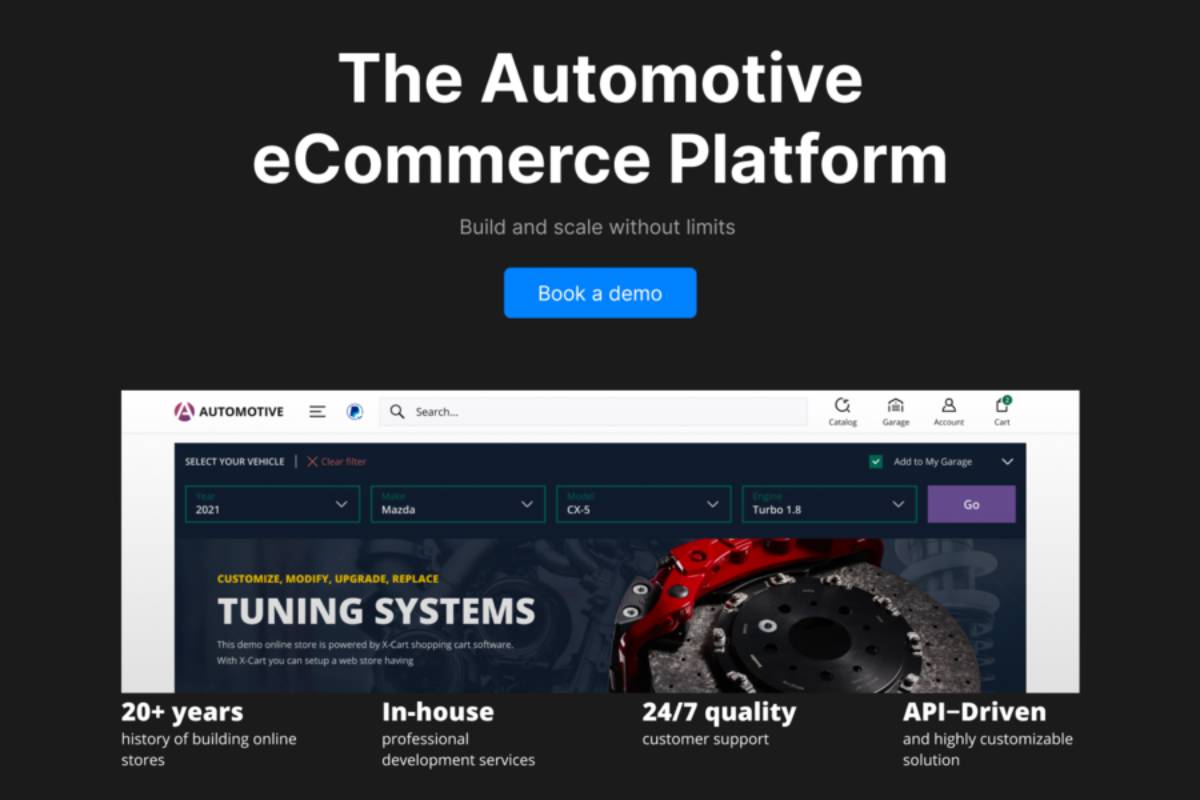
X-Cart operates within the enterprise e-commerce software market, providing businesses with tools to develop, manage, and scale online storefronts. The platform supports customizable storefront design, catalog management, payment integrations, inventory control, and business automation.

Key stakeholders include retailers, digital commerce providers, developers, payment processors, logistics partners, and enterprise IT teams. As online retail continues expanding globally, organizations are investing in platforms that offer flexibility, security, and integration with broader business ecosystems.

The ongoing evolution of e-commerce infrastructure reflects rising demand for personalized shopping experiences, operational efficiency, and scalable digital commerce capabilities that support long-term business growth.

Digital commerce has become one of the most significant drivers of global economic activity over the past decade. Consumer purchasing habits continue shifting toward online channels, encouraging businesses to modernize retail operations through cloud technologies, automation, and data-driven customer engagement.

This development aligns with a broader trend across global markets where organizations are investing in digital transformation to improve competitiveness and customer experience. Advances in artificial intelligence, predictive analytics, mobile commerce, and integrated payment ecosystems have reshaped expectations for modern e-commerce platforms.

Historically, businesses relied on standardized online storefronts with limited customization. Today's enterprise commerce platforms emphasize flexibility, API-driven architecture, omnichannel capabilities, and seamless integration with ERP, CRM, and marketing systems. Solutions such as X-Cart illustrate how businesses are increasingly prioritizing scalable infrastructure capable of supporting evolving customer expectations and international expansion strategies.

Industry analysts note that enterprise retailers are placing greater emphasis on commerce platforms that combine customization with operational resilience. Organizations increasingly require technology capable of supporting complex product catalogs, international transactions, and personalized customer journeys without sacrificing performance.

Technology experts also point to artificial intelligence as an emerging differentiator in e-commerce, enabling intelligent product recommendations, automated customer service, inventory forecasting, and dynamic pricing strategies. Businesses adopting these capabilities are expected to improve operational efficiency and customer engagement.

Analysts further emphasize that cybersecurity, regulatory compliance, and data privacy remain central concerns for digital commerce providers. As online transactions continue growing, businesses must ensure their platforms meet evolving security standards while maintaining seamless customer experiences across multiple channels and devices.

For businesses, enterprise e-commerce platforms provide opportunities to accelerate digital transformation, improve customer retention, and expand into international markets. Flexible commerce infrastructure enables organizations to adapt quickly to changing consumer behavior and competitive pressures.

Investors continue viewing digital commerce technology as a long-term growth sector supported by increasing online retail adoption. Policymakers, meanwhile, are strengthening regulations covering consumer protection, digital taxation, payment security, cross-border commerce, and data privacy.

For executives, selecting scalable commerce platforms has become a strategic technology decision. Organizations investing in secure, integrated, and future-ready digital commerce ecosystems may achieve stronger operational efficiency and sustainable competitive advantage.

The enterprise e-commerce market is expected to continue advancing through artificial intelligence, automation, cloud-native architecture, and personalized shopping technologies. Decision-makers should monitor developments in digital payments, cybersecurity, regulatory compliance, and omnichannel retail strategies. Platforms capable of balancing flexibility, scalability, and enterprise-grade security are likely to remain central to the next phase of global digital commerce growth.

Source: Crozdesk
Date: August 3, 2026

  • Featured tools
Copy Ai
Free

Copy AI is one of the most popular AI writing tools designed to help professionals create high-quality content quickly. Whether you are a product manager drafting feature descriptions or a marketer creating ad copy, Copy AI can save hours of work while maintaining creativity and tone.

#
Copywriting
Learn more
Ai Fiesta
Paid

AI Fiesta is an all-in-one productivity platform that gives users access to multiple leading AI models through a single interface. It includes features like prompt enhancement, image generation, audio transcription and side-by-side model comparison.

#
Copywriting
#
Art Generator
Learn more

Learn more about future of AI

Join 80,000+ Ai enthusiast getting weekly updates on exciting AI tools.
Thank you! Your submission has been received!
Oops! Something went wrong while submitting the form.

X-Cart Strengthens Enterprise E-Commerce Infrastructure

August 3, 2026

X-Cart operates within the enterprise e-commerce software market, providing businesses with tools to develop, manage, and scale online storefronts.

The global e-commerce technology sector continues evolving as businesses seek scalable platforms to support digital retail growth. X-Cart highlights the increasing demand for enterprise-grade commerce infrastructure, enabling merchants to build customizable online stores while addressing growing expectations around security, performance, and omnichannel customer experiences.

X-Cart operates within the enterprise e-commerce software market, providing businesses with tools to develop, manage, and scale online storefronts. The platform supports customizable storefront design, catalog management, payment integrations, inventory control, and business automation.

Key stakeholders include retailers, digital commerce providers, developers, payment processors, logistics partners, and enterprise IT teams. As online retail continues expanding globally, organizations are investing in platforms that offer flexibility, security, and integration with broader business ecosystems.

The ongoing evolution of e-commerce infrastructure reflects rising demand for personalized shopping experiences, operational efficiency, and scalable digital commerce capabilities that support long-term business growth.

Digital commerce has become one of the most significant drivers of global economic activity over the past decade. Consumer purchasing habits continue shifting toward online channels, encouraging businesses to modernize retail operations through cloud technologies, automation, and data-driven customer engagement.

This development aligns with a broader trend across global markets where organizations are investing in digital transformation to improve competitiveness and customer experience. Advances in artificial intelligence, predictive analytics, mobile commerce, and integrated payment ecosystems have reshaped expectations for modern e-commerce platforms.

Historically, businesses relied on standardized online storefronts with limited customization. Today's enterprise commerce platforms emphasize flexibility, API-driven architecture, omnichannel capabilities, and seamless integration with ERP, CRM, and marketing systems. Solutions such as X-Cart illustrate how businesses are increasingly prioritizing scalable infrastructure capable of supporting evolving customer expectations and international expansion strategies.

Industry analysts note that enterprise retailers are placing greater emphasis on commerce platforms that combine customization with operational resilience. Organizations increasingly require technology capable of supporting complex product catalogs, international transactions, and personalized customer journeys without sacrificing performance.

Technology experts also point to artificial intelligence as an emerging differentiator in e-commerce, enabling intelligent product recommendations, automated customer service, inventory forecasting, and dynamic pricing strategies. Businesses adopting these capabilities are expected to improve operational efficiency and customer engagement.

Analysts further emphasize that cybersecurity, regulatory compliance, and data privacy remain central concerns for digital commerce providers. As online transactions continue growing, businesses must ensure their platforms meet evolving security standards while maintaining seamless customer experiences across multiple channels and devices.

For businesses, enterprise e-commerce platforms provide opportunities to accelerate digital transformation, improve customer retention, and expand into international markets. Flexible commerce infrastructure enables organizations to adapt quickly to changing consumer behavior and competitive pressures.

Investors continue viewing digital commerce technology as a long-term growth sector supported by increasing online retail adoption. Policymakers, meanwhile, are strengthening regulations covering consumer protection, digital taxation, payment security, cross-border commerce, and data privacy.

For executives, selecting scalable commerce platforms has become a strategic technology decision. Organizations investing in secure, integrated, and future-ready digital commerce ecosystems may achieve stronger operational efficiency and sustainable competitive advantage.

The enterprise e-commerce market is expected to continue advancing through artificial intelligence, automation, cloud-native architecture, and personalized shopping technologies. Decision-makers should monitor developments in digital payments, cybersecurity, regulatory compliance, and omnichannel retail strategies. Platforms capable of balancing flexibility, scalability, and enterprise-grade security are likely to remain central to the next phase of global digital commerce growth.

Source: Crozdesk
Date: August 3, 2026

Promote Your Tool

Copy Embed Code

Similar Blogs

August 3, 2026
|

OnePlan Advances Enterprise Portfolio Management

OnePlan operates within the enterprise project portfolio management (PPM) and work management software market, providing organizations with tools for project planning, resource allocation, financial oversight, portfolio analysis, and strategic execution.
Read more
August 3, 2026
|

Brokermint Modernizes Real Estate Operations

Brokermint operates within the PropTech ecosystem, offering cloud-based brokerage management software that centralizes transaction management, commission tracking, document storage, accounting workflows, reporting, and compliance processes.
Read more
August 3, 2026
|

Workforce Software Drives Enterprise Optimization

Key stakeholders include HR leaders, operations executives, finance departments, frontline managers, enterprise software vendors, and employees across multiple industries.
Read more
August 3, 2026
|

LaunchPoint Accelerates Product Launch Execution

LaunchPoint operates within the project management and go-to-market software ecosystem, helping organizations organize product launches, coordinate teams, and manage complex business workflows.
Read more
August 3, 2026
|

AdLabs Strengthens AI Advertising Intelligence

AdLabs operates within the digital advertising and marketing technology (MarTech) ecosystem, providing businesses with tools designed to enhance advertising performance through analytics, automation, and campaign optimization.
Read more
August 3, 2026
|

SafeShare.tv Secures Digital Video Sharing

Key stakeholders include educators, enterprises, trainers, students, digital content creators, and learning institutions. As video becomes a primary medium for communication and knowledge sharing, organizations increasingly prioritize secure and focused viewing experiences.
Read more