



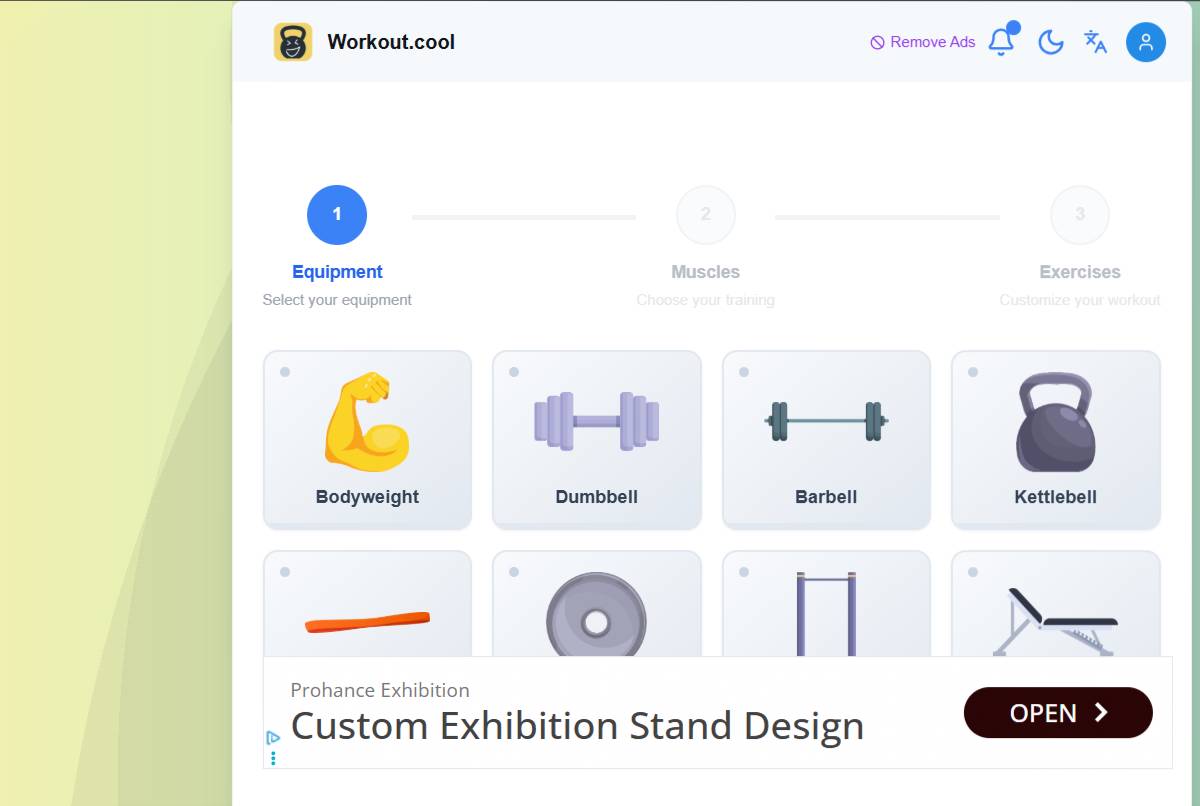
Workout Cool is strengthening its position in the digital fitness landscape by offering accessible workout planning and exercise resources for users seeking flexible training solutions. The platform reflects the growing shift toward technology-enabled health and wellness, supporting consumers, fitness professionals, and digital health businesses as demand for personalized online fitness experiences continues to accelerate.
Workout Cool provides a web-based fitness platform featuring workout routines, exercise guidance, and customizable training resources for users across different fitness levels. Its digital-first approach allows individuals to access structured workout content without requiring traditional gym memberships or expensive coaching programs.
The platform aligns with the expanding health technology sector, where consumers increasingly expect convenient, mobile-friendly wellness solutions. As competition intensifies among fitness applications, Workout Cool contributes to a broader ecosystem focused on improving accessibility, engagement, and user experience through online fitness services.
The rapid expansion of digital fitness platforms has transformed how individuals approach health and exercise. Growth in remote work, mobile technology adoption, and wearable fitness devices has accelerated demand for virtual training tools that offer flexibility and personalization. Consumers increasingly seek platforms capable of delivering structured workout programs that fit diverse schedules and fitness goals.
At the same time, businesses operating in the health technology sector continue investing in artificial intelligence, analytics, and personalized recommendations to improve engagement and long-term retention. Workout Cool reflects these broader industry trends by supporting users with accessible digital fitness resources while participating in an increasingly competitive global wellness technology market that continues attracting investment and innovation.
Industry analysts view digital fitness platforms as an important component of the expanding preventive healthcare ecosystem. Experts note that accessible online workout services can encourage healthier lifestyles while lowering barriers to regular exercise participation. Technology consultants also highlight the growing importance of personalization, user engagement, and seamless mobile experiences as key competitive advantages within the fitness software market.
While no official corporate statement accompanies this development, market observers believe platforms like Workout Cool demonstrate how specialized fitness services continue adapting to evolving consumer expectations. Analysts further suggest that future competitiveness will depend on innovation in personalized recommendations, wearable device integration, and community-driven engagement features.
For businesses, the continued growth of digital fitness platforms creates opportunities across software development, subscription services, digital healthcare, and wellness partnerships. Investors are likely to monitor companies delivering scalable, technology-enabled health solutions as consumer demand remains strong.
Employers may increasingly integrate online fitness resources into workplace wellness initiatives, while healthcare providers continue exploring digital prevention strategies. Policymakers and regulators may also place greater emphasis on consumer data privacy, health information security, and transparency as digital wellness platforms expand globally and collect larger volumes of user-generated fitness data.
Workout Cool is positioned to benefit from continued expansion in the global digital wellness market as consumers prioritize flexible and technology-driven fitness experiences. Future growth will likely depend on continued product innovation, stronger personalization capabilities, and strategic partnerships within the broader health technology ecosystem. Decision-makers should monitor evolving consumer preferences, regulatory developments, and emerging digital health trends that will shape long-term competitiveness.
Source: AlternativeTo
Date: July 28, 2026


