
Workforce Software Drives Enterprise Optimization

Key stakeholders include HR leaders, operations executives, finance departments, frontline managers, enterprise software vendors, and employees across multiple industries.

August 3, 2026
|

The enterprise human resources technology market continues to accelerate as organizations invest in workforce management software to improve productivity, labor planning, and operational efficiency. The growing adoption of intelligent workforce solutions reflects a strategic shift toward data-driven people management, automation, and compliance across increasingly complex global business environments.

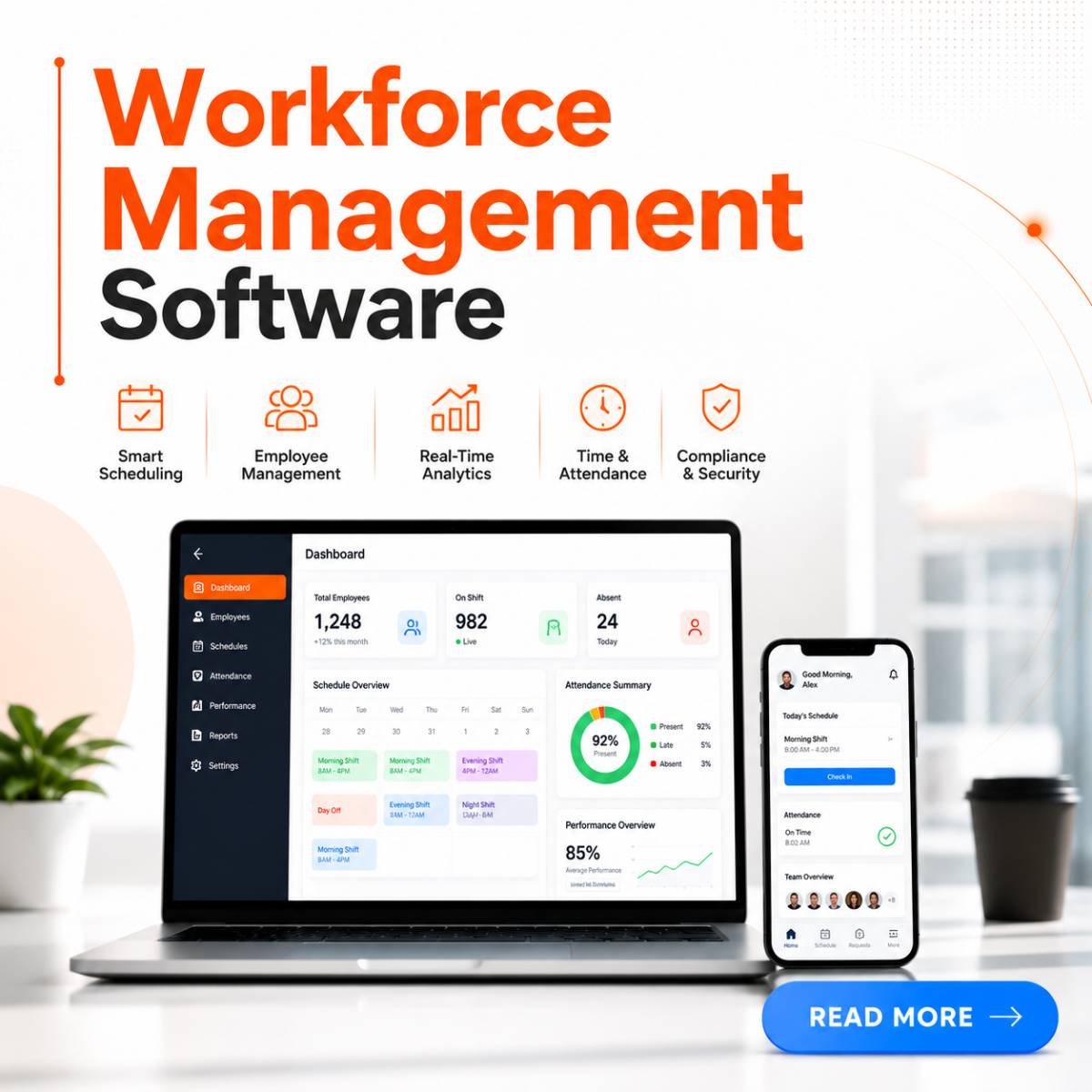
Workforce management software has become a critical component of modern HR technology, enabling organizations to automate employee scheduling, attendance tracking, time management, labor forecasting, workforce analytics, and compliance reporting. Businesses are increasingly adopting cloud-based platforms to optimize workforce utilization while improving employee experiences.

Key stakeholders include HR leaders, operations executives, finance departments, frontline managers, enterprise software vendors, and employees across multiple industries. Demand is expanding as organizations embrace hybrid work, digital transformation, and AI-powered workforce planning.

The broader HR technology market continues evolving toward integrated platforms that combine workforce management with payroll, talent management, employee engagement, and business intelligence capabilities.

Managing large, distributed workforces has become increasingly challenging as organizations adapt to hybrid work models, evolving labor regulations, and changing employee expectations. Workforce management software helps businesses balance operational efficiency with workforce flexibility by automating administrative processes and improving decision-making.

This development aligns with a broader trend across global markets where enterprises are investing heavily in human capital technologies to support digital transformation initiatives. Artificial intelligence, predictive analytics, cloud computing, and mobile workforce applications are reshaping traditional HR operations.

Historically, workforce scheduling and attendance management relied on spreadsheets and manual processes that often resulted in inefficiencies and compliance risks. Today's workforce management platforms provide real-time visibility into labor performance, staffing requirements, productivity trends, and regulatory obligations. These solutions have become essential tools for organizations seeking operational resilience, cost optimization, and improved employee satisfaction in increasingly competitive labor markets.

HR technology analysts believe workforce management software will remain one of the fastest-growing enterprise software segments as organizations seek greater operational agility and workforce visibility. Experts suggest that AI-driven forecasting and intelligent scheduling will significantly improve labor planning while reducing administrative workloads.

Industry specialists also highlight the growing integration of workforce management with broader HR ecosystems, including payroll, recruitment, learning management, and performance evaluation platforms. Unified systems enable organizations to make more informed workforce decisions using real-time operational data.

Analysts further note that regulatory compliance, employee well-being, and workforce analytics are becoming strategic priorities for executive leadership. Organizations increasingly evaluate workforce management solutions based on automation capabilities, scalability, cybersecurity standards, integration flexibility, and employee self-service functionality.

For businesses, workforce management software improves operational efficiency, reduces labor costs, enhances scheduling accuracy, and strengthens compliance with employment regulations. Better workforce visibility enables organizations to optimize staffing while improving employee engagement and service delivery.

Investors continue viewing HR technology as a resilient growth sector supported by ongoing enterprise digital transformation. Policymakers are simultaneously increasing attention on labor compliance, employee privacy, workplace transparency, and responsible use of AI in workforce management.

For executives, investing in intelligent workforce platforms has become a strategic imperative to improve organizational resilience, productivity, and long-term workforce planning in a rapidly evolving business landscape.

The future of workforce management will increasingly rely on artificial intelligence, predictive workforce analytics, automation, and integrated employee experience platforms. Decision-makers should monitor evolving labor regulations, AI governance frameworks, and advancements in cloud-based HR technologies. Organizations that successfully combine intelligent workforce planning with compliance, employee engagement, and operational agility will gain a significant competitive advantage in the future of work.

Source: Crozdesk
Date: August 3, 2026

  • Featured tools
Wonder AI
Free

Wonder AI is a versatile AI-powered creative platform that generates text, images, and audio with minimal input, designed for fast storytelling, visual creation, and audio content generation

#
Art Generator
Learn more
Neuron AI
Free

Neuron AI is an AI-driven content optimization platform that helps creators produce SEO-friendly content by combining semantic SEO, competitor analysis, and AI-assisted writing workflows.

#
SEO
Learn more

Learn more about future of AI

Join 80,000+ Ai enthusiast getting weekly updates on exciting AI tools.
Thank you! Your submission has been received!
Oops! Something went wrong while submitting the form.

Workforce Software Drives Enterprise Optimization

August 3, 2026

Key stakeholders include HR leaders, operations executives, finance departments, frontline managers, enterprise software vendors, and employees across multiple industries.

The enterprise human resources technology market continues to accelerate as organizations invest in workforce management software to improve productivity, labor planning, and operational efficiency. The growing adoption of intelligent workforce solutions reflects a strategic shift toward data-driven people management, automation, and compliance across increasingly complex global business environments.

Workforce management software has become a critical component of modern HR technology, enabling organizations to automate employee scheduling, attendance tracking, time management, labor forecasting, workforce analytics, and compliance reporting. Businesses are increasingly adopting cloud-based platforms to optimize workforce utilization while improving employee experiences.

Key stakeholders include HR leaders, operations executives, finance departments, frontline managers, enterprise software vendors, and employees across multiple industries. Demand is expanding as organizations embrace hybrid work, digital transformation, and AI-powered workforce planning.

The broader HR technology market continues evolving toward integrated platforms that combine workforce management with payroll, talent management, employee engagement, and business intelligence capabilities.

Managing large, distributed workforces has become increasingly challenging as organizations adapt to hybrid work models, evolving labor regulations, and changing employee expectations. Workforce management software helps businesses balance operational efficiency with workforce flexibility by automating administrative processes and improving decision-making.

This development aligns with a broader trend across global markets where enterprises are investing heavily in human capital technologies to support digital transformation initiatives. Artificial intelligence, predictive analytics, cloud computing, and mobile workforce applications are reshaping traditional HR operations.

Historically, workforce scheduling and attendance management relied on spreadsheets and manual processes that often resulted in inefficiencies and compliance risks. Today's workforce management platforms provide real-time visibility into labor performance, staffing requirements, productivity trends, and regulatory obligations. These solutions have become essential tools for organizations seeking operational resilience, cost optimization, and improved employee satisfaction in increasingly competitive labor markets.

HR technology analysts believe workforce management software will remain one of the fastest-growing enterprise software segments as organizations seek greater operational agility and workforce visibility. Experts suggest that AI-driven forecasting and intelligent scheduling will significantly improve labor planning while reducing administrative workloads.

Industry specialists also highlight the growing integration of workforce management with broader HR ecosystems, including payroll, recruitment, learning management, and performance evaluation platforms. Unified systems enable organizations to make more informed workforce decisions using real-time operational data.

Analysts further note that regulatory compliance, employee well-being, and workforce analytics are becoming strategic priorities for executive leadership. Organizations increasingly evaluate workforce management solutions based on automation capabilities, scalability, cybersecurity standards, integration flexibility, and employee self-service functionality.

For businesses, workforce management software improves operational efficiency, reduces labor costs, enhances scheduling accuracy, and strengthens compliance with employment regulations. Better workforce visibility enables organizations to optimize staffing while improving employee engagement and service delivery.

Investors continue viewing HR technology as a resilient growth sector supported by ongoing enterprise digital transformation. Policymakers are simultaneously increasing attention on labor compliance, employee privacy, workplace transparency, and responsible use of AI in workforce management.

For executives, investing in intelligent workforce platforms has become a strategic imperative to improve organizational resilience, productivity, and long-term workforce planning in a rapidly evolving business landscape.

The future of workforce management will increasingly rely on artificial intelligence, predictive workforce analytics, automation, and integrated employee experience platforms. Decision-makers should monitor evolving labor regulations, AI governance frameworks, and advancements in cloud-based HR technologies. Organizations that successfully combine intelligent workforce planning with compliance, employee engagement, and operational agility will gain a significant competitive advantage in the future of work.

Source: Crozdesk
Date: August 3, 2026

Promote Your Tool

Copy Embed Code

Similar Blogs

August 3, 2026
|

Zoho Inventory Strengthens Supply Chain Management

Zoho Inventory operates within the inventory and order management software market, offering cloud-based capabilities for inventory tracking, warehouse management, order processing, shipping integration, purchasing, and multi-channel sales management.
Read more
August 3, 2026
|

Kognic Accelerates Autonomous AI Data Management

Kognic operates within the AI data management and machine learning infrastructure market, providing platforms for data annotation, labeling, validation, and quality assurance used in developing autonomous systems.
Read more
August 3, 2026
|

Modento Enhances Digital Patient Engagement

Modento operates within the healthcare software and dental practice management market, providing tools for patient communication, appointment scheduling, automated reminders, digital forms, online reviews, messaging, and patient engagement.
Read more
August 3, 2026
|

Student Information Systems Transform Education Digitally

Student Information Systems have become core components of modern education technology ecosystems, providing integrated tools for student enrollment, attendance, grading, scheduling, admissions, financial management, communication, and academic reporting.
Read more
August 3, 2026
|

Bear VPN Strengthens Secure Digital Connectivity

Bear VPN operates within the cybersecurity and network privacy market, providing encrypted internet connections designed to protect online communications, secure user data, and improve digital privacy.
Read more
August 3, 2026
|

Bloomerang Strengthens Digital Donor Management

Bloomerang operates within the nonprofit CRM and fundraising software market, providing cloud-based tools for donor management, fundraising campaigns, volunteer engagement, reporting, and constituent relationship management.
Read more