



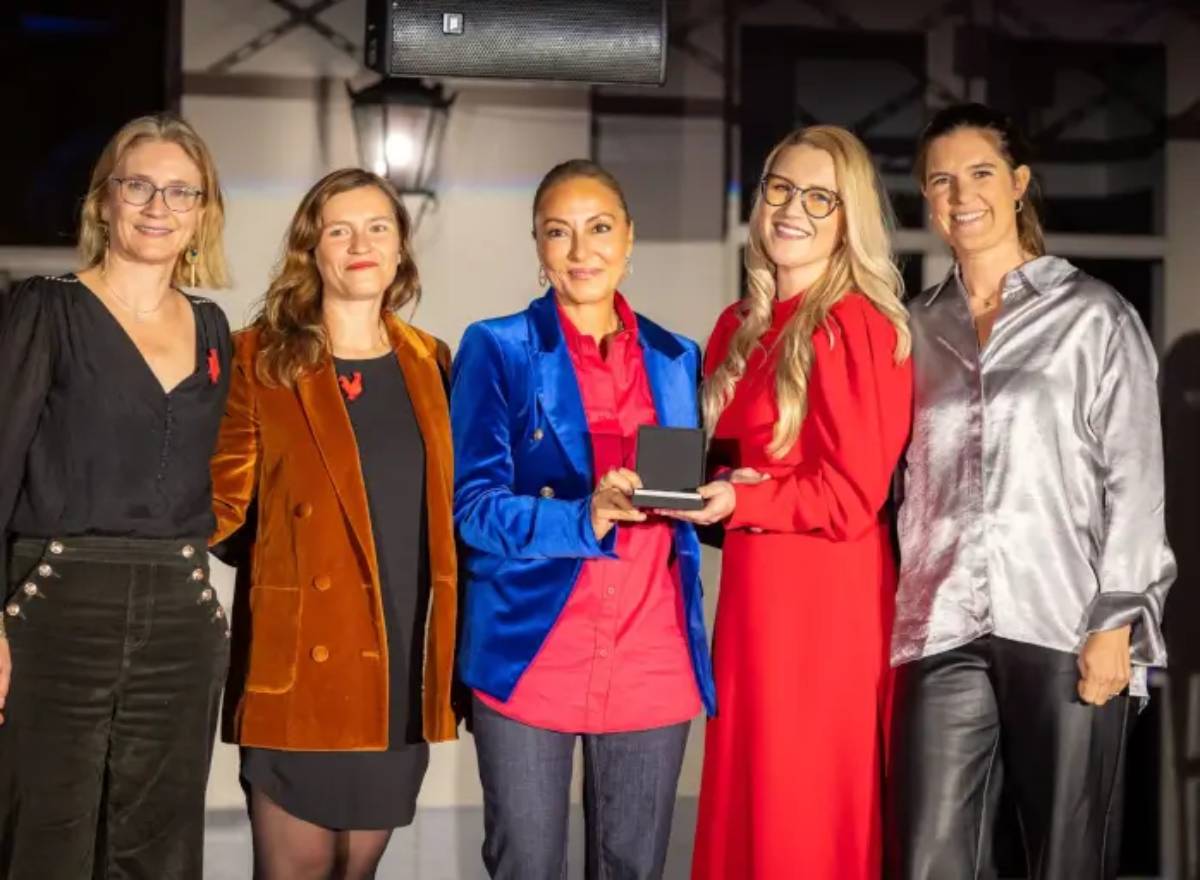
Women entrepreneurs are playing an increasingly visible role in the startup ecosystem, with growing participation across early-stage ventures and innovation hubs. However, despite rising momentum, structural funding gaps and leadership disparities continue to shape outcomes, highlighting both progress and persistent inequality within the global startup landscape.
The startup ecosystem has seen a steady increase in women-founded and women-led companies, particularly in sectors such as digital services, healthtech, fintech, and sustainability-driven innovation. Support programs, incubators, and policy initiatives have contributed to improving access to entrepreneurial resources.
Despite this growth, women-led startups continue to receive a disproportionately small share of venture capital funding compared to their male counterparts. Investors cite factors such as network access, sector concentration, and historical bias in funding patterns as contributing challenges.
Governments and private institutions are increasingly introducing targeted initiatives to close the gender funding gap, including dedicated investment funds, mentorship programs, and accelerator pathways designed specifically for female founders.
The development aligns with a broader trend across global markets where diversity and inclusion in entrepreneurship are gaining strategic importance for economic growth and innovation performance. Women-led startups are increasingly recognized as an underleveraged source of economic value.
Historically, venture capital ecosystems have been dominated by male founders and investors, leading to structural imbalances in access to funding and scaling opportunities. This imbalance has persisted despite growing awareness and policy interventions.
In recent years, data has shown that diverse founding teams often deliver strong performance outcomes, prompting renewed investor interest in supporting underrepresented founders. However, systemic barriers such as limited access to networks and capital continue to constrain growth.
Across Europe and North America, policy frameworks are evolving to encourage greater gender parity in entrepreneurship, while emerging markets are also beginning to implement targeted support mechanisms.
Startup ecosystem analysts emphasize that increasing women’s participation in entrepreneurship is not only a social equity issue but also an economic growth imperative. Venture capital observers note that women-led startups often demonstrate capital efficiency and strong customer-centric innovation, but face challenges in scaling due to limited access to late-stage funding.
Policy experts highlight that targeted funding programs can help bridge early-stage gaps, but long-term change requires structural shifts in investment decision-making processes.
Industry leaders point out that mentorship and network access remain critical success factors, with many women founders relying heavily on ecosystem support organizations to bridge funding and visibility gaps.
Economic researchers suggest that improving gender diversity in startups could significantly increase innovation output and overall economic productivity across developed markets.
For startups, increased inclusion of women founders can enhance innovation diversity and improve product-market fit across sectors. For investors, expanding gender-balanced portfolios presents both a performance opportunity and a diversification strategy, though systemic biases must still be addressed.
For policymakers, the findings reinforce the need for targeted interventions that go beyond funding to include mentorship, education, and ecosystem access. For the broader economy, closing the gender gap in entrepreneurship could unlock significant untapped growth potential.
The women-led startup ecosystem is expected to continue expanding, supported by policy initiatives and evolving investor sentiment. However, closing the funding gap will require sustained structural reforms across venture capital networks and startup ecosystems.
Decision-makers should monitor how capital allocation patterns evolve, particularly in early-stage funding environments, as this will determine the long-term trajectory of gender equity in entrepreneurship.
Source: Startup Luxembourg
Date: June 25, 2026


