



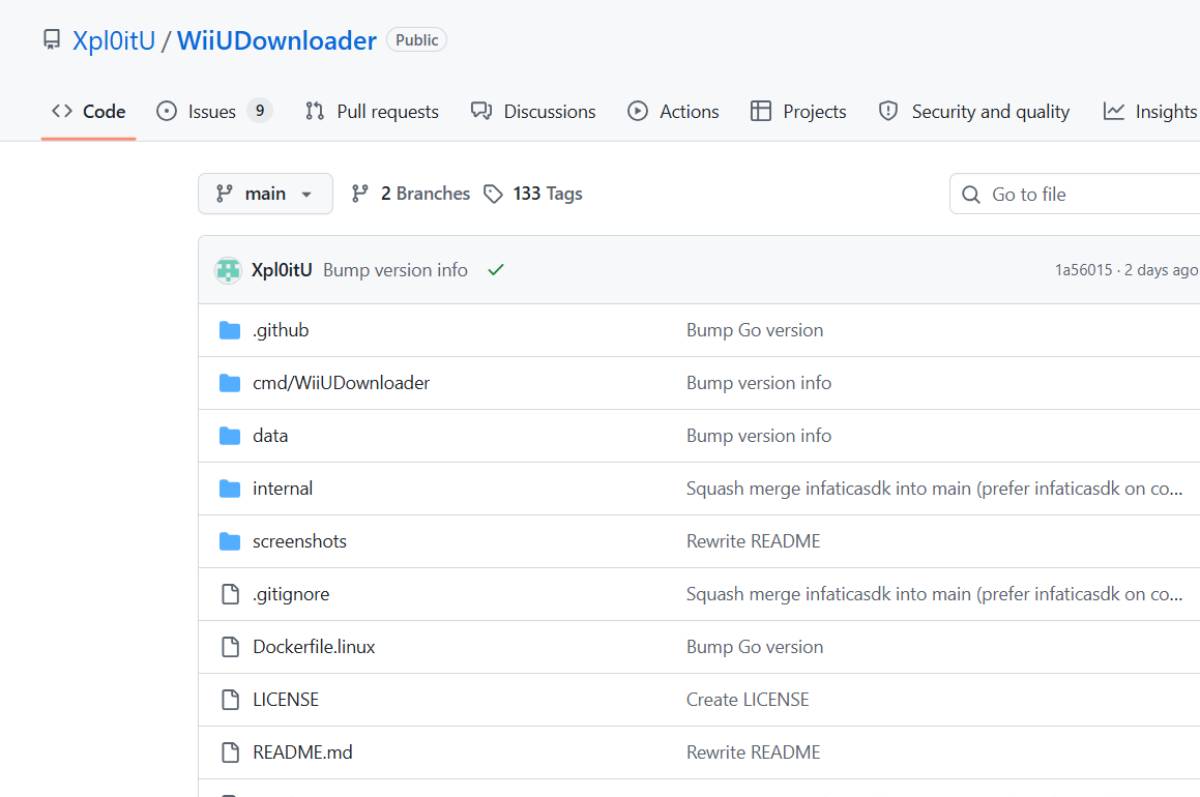
A notable trend is emerging in the gaming ecosystem as software supporting digital game management and preservation continues gaining attention among enthusiasts and developers. WiiUDownloader reflects this movement by simplifying access to Wii U system content management, underscoring broader discussions around digital preservation, legacy platforms, and long-term software accessibility.
WiiUDownloader demonstrates the ongoing evolution of software designed to streamline the management and downloading of content associated with the Nintendo Wii U ecosystem. The tool focuses on improving accessibility and efficiency for users working with compatible system resources while reducing manual configuration requirements.
Its growing visibility mirrors increased interest in preserving digital gaming libraries as legacy consoles approach the end of their commercial lifecycle. The development reflects broader industry conversations surrounding software preservation, archival practices, and long-term accessibility of digital entertainment assets. As gaming increasingly shifts toward digital distribution, tools supporting legacy ecosystems continue attracting attention from preservation communities and technology enthusiasts.
The global video game industry has undergone a dramatic transformation as digital storefronts increasingly replace physical media. While this transition has expanded convenience and accessibility, it has also created new challenges surrounding long-term preservation of software, downloadable content, and digital ownership.
As older gaming platforms gradually lose official support, preservation initiatives have gained momentum among researchers, developers, museums, and enthusiast communities seeking to safeguard interactive media history. Legacy console ecosystems remain valuable not only for nostalgic consumers but also for software historians and developers studying earlier technological innovations.
The broader gaming industry continues balancing commercial digital distribution with preservation efforts, prompting ongoing discussions regarding archival standards, digital rights, and platform longevity. WiiUDownloader reflects this wider trend by illustrating how software utilities contribute to maintaining access to legacy gaming environments within evolving digital ecosystems.
Gaming industry analysts recognize digital preservation as an increasingly important issue as software distribution becomes predominantly cloud-based and platform-dependent. Experts argue that preserving access to legacy titles supports cultural heritage, historical research, and long-term innovation within the interactive entertainment industry.
Technology specialists note that management tools designed for legacy systems can simplify maintenance and archival workflows, provided they are used responsibly and in accordance with applicable legal and licensing requirements. Analysts also emphasize that interest in retro gaming continues to grow globally, encouraging greater investment in preservation initiatives and compatibility solutions.
Although no official corporate statements accompany this development, industry observers broadly agree that preserving legacy gaming ecosystems will remain an important topic as digital distribution models continue reshaping the future of interactive entertainment.
For gaming companies, WiiUDownloader highlights the increasing importance of long-term digital asset management and preservation planning. Publishers may face growing expectations to provide sustainable access to legacy content while balancing intellectual property protection and evolving business models.
Investors monitoring the gaming sector may view preservation technologies as a niche but expanding segment within the broader digital entertainment ecosystem. From a policy perspective, ongoing discussions surrounding copyright law, software archiving, digital ownership, consumer rights, and preservation exceptions are likely to shape future regulatory approaches affecting legacy gaming platforms and digital content accessibility.
Digital preservation is expected to become an increasingly significant priority as more gaming platforms transition to online-first distribution models. Decision-makers should monitor developments in archival technologies, digital licensing frameworks, platform support strategies, and preservation standards. Organizations that successfully balance innovation with responsible stewardship of digital gaming history will be better positioned to meet evolving consumer expectations and regulatory requirements.
Source: AlternativeTo
Date: July 23, 2026


