
WiiM Launches First Smart Soundbar System

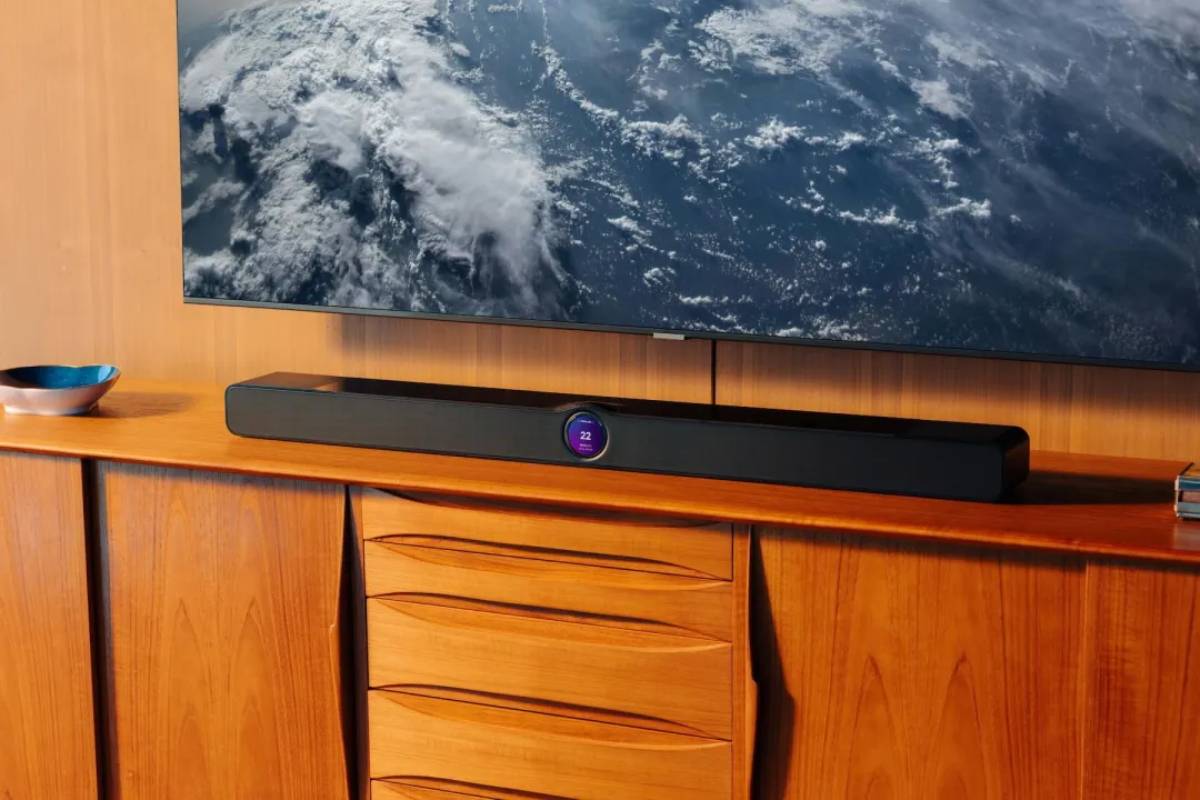
WiiM has officially introduced its first soundbar, marking a significant expansion beyond its existing streaming and multi-room audio products.

June 4, 2026
|
Image Source: The Verge

A strategic expansion in the smart audio market has been announced by WiiM with the launch of its first soundbar, extending its whole-home audio ecosystem. The move signals intensifying competition in connected home entertainment, as companies seek to integrate streaming, multi-room audio, and AI-driven control into unified consumer ecosystems with global market implications.

WiiM has officially introduced its first soundbar, marking a significant expansion beyond its existing streaming and multi-room audio products. The device is designed to integrate seamlessly into WiiM’s whole-home ecosystem, allowing users to synchronise audio across multiple rooms and devices.

The launch positions WiiM more directly against established consumer audio and home entertainment brands, targeting users seeking integrated smart home audio solutions. The product reflects a broader strategy of ecosystem expansion, where hardware and software are tightly coupled to enhance user retention. The rollout is expected to strengthen WiiM’s presence in the mid-to-premium smart audio segment.

The global smart audio market has evolved rapidly with increasing demand for connected home ecosystems that integrate streaming services, voice control, and multi-room synchronization. Consumers are shifting away from standalone speakers toward unified platforms that offer seamless interoperability across devices.

WiiM has built its reputation on affordable, high-quality streaming devices that compete with more established ecosystem players. The introduction of a soundbar marks a natural progression into home theatre systems, an increasingly competitive segment driven by demand for immersive entertainment experiences.

This move also aligns with broader industry trends where audio companies are transitioning into ecosystem providers rather than standalone hardware manufacturers. Integration, software control layers, and subscription-linked services are becoming key differentiators in a saturated consumer electronics market.

Industry analysts suggest that WiiM’s expansion into soundbars reflects a strategic push to capture a larger share of the connected home entertainment value chain. Experts note that soundbars represent a high-growth category, particularly as consumers upgrade home viewing experiences with streaming-first setups.

Market commentators argue that the success of such devices depends heavily on ecosystem integration rather than hardware specifications alone. While WiiM has not publicly positioned this launch with extensive executive commentary, industry observers expect the company to emphasise affordability and seamless multi-room connectivity as core selling points.

Consumer electronics analysts further highlight that competition in this segment is intensifying, with established brands leveraging proprietary ecosystems. WiiM’s challenge will be to differentiate through open compatibility, pricing strategy, and user experience consistency across devices.

For consumer electronics companies, WiiM’s move highlights the increasing importance of ecosystem-driven product strategies rather than isolated hardware innovation. Companies that fail to integrate services and devices risk losing relevance in the smart home market.

For investors, the expansion signals continued growth potential in connected home audio, particularly in mid-market segments where affordability and interoperability are key demand drivers.

For consumers, the launch may increase access to more cost-effective smart home theatre solutions, intensifying competition and potentially driving down prices. From a policy perspective, regulatory implications remain limited, though broader concerns around data usage and interoperability standards in smart ecosystems continue to evolve globally.

Going forward, WiiM is expected to further expand its ecosystem with additional home entertainment and smart audio products. Key factors to watch include adoption rates of the new soundbar, integration depth with existing devices, and competitive responses from established audio brands. The broader industry trajectory points toward increasingly unified smart home ecosystems, where cross-device compatibility and software experience will determine long-term market positioning.

Source: The Verge
Date: June 4, 2026

  • Featured tools
Alli AI
Free

Alli AI is an all-in-one, AI-powered SEO automation platform that streamlines on-page optimization, site auditing, speed improvements, schema generation, internal linking, and ranking insights.

#
SEO
Learn more
Tome AI
Free

Tome AI is an AI-powered storytelling and presentation tool designed to help users create compelling narratives and presentations quickly and efficiently. It leverages advanced AI technologies to generate content, images, and animations based on user input.

#
Presentation
#
Startup Tools
Learn more

Learn more about future of AI

Join 80,000+ Ai enthusiast getting weekly updates on exciting AI tools.
Thank you! Your submission has been received!
Oops! Something went wrong while submitting the form.

WiiM Launches First Smart Soundbar System

June 4, 2026

WiiM has officially introduced its first soundbar, marking a significant expansion beyond its existing streaming and multi-room audio products.

Image Source: The Verge

A strategic expansion in the smart audio market has been announced by WiiM with the launch of its first soundbar, extending its whole-home audio ecosystem. The move signals intensifying competition in connected home entertainment, as companies seek to integrate streaming, multi-room audio, and AI-driven control into unified consumer ecosystems with global market implications.

WiiM has officially introduced its first soundbar, marking a significant expansion beyond its existing streaming and multi-room audio products. The device is designed to integrate seamlessly into WiiM’s whole-home ecosystem, allowing users to synchronise audio across multiple rooms and devices.

The launch positions WiiM more directly against established consumer audio and home entertainment brands, targeting users seeking integrated smart home audio solutions. The product reflects a broader strategy of ecosystem expansion, where hardware and software are tightly coupled to enhance user retention. The rollout is expected to strengthen WiiM’s presence in the mid-to-premium smart audio segment.

The global smart audio market has evolved rapidly with increasing demand for connected home ecosystems that integrate streaming services, voice control, and multi-room synchronization. Consumers are shifting away from standalone speakers toward unified platforms that offer seamless interoperability across devices.

WiiM has built its reputation on affordable, high-quality streaming devices that compete with more established ecosystem players. The introduction of a soundbar marks a natural progression into home theatre systems, an increasingly competitive segment driven by demand for immersive entertainment experiences.

This move also aligns with broader industry trends where audio companies are transitioning into ecosystem providers rather than standalone hardware manufacturers. Integration, software control layers, and subscription-linked services are becoming key differentiators in a saturated consumer electronics market.

Industry analysts suggest that WiiM’s expansion into soundbars reflects a strategic push to capture a larger share of the connected home entertainment value chain. Experts note that soundbars represent a high-growth category, particularly as consumers upgrade home viewing experiences with streaming-first setups.

Market commentators argue that the success of such devices depends heavily on ecosystem integration rather than hardware specifications alone. While WiiM has not publicly positioned this launch with extensive executive commentary, industry observers expect the company to emphasise affordability and seamless multi-room connectivity as core selling points.

Consumer electronics analysts further highlight that competition in this segment is intensifying, with established brands leveraging proprietary ecosystems. WiiM’s challenge will be to differentiate through open compatibility, pricing strategy, and user experience consistency across devices.

For consumer electronics companies, WiiM’s move highlights the increasing importance of ecosystem-driven product strategies rather than isolated hardware innovation. Companies that fail to integrate services and devices risk losing relevance in the smart home market.

For investors, the expansion signals continued growth potential in connected home audio, particularly in mid-market segments where affordability and interoperability are key demand drivers.

For consumers, the launch may increase access to more cost-effective smart home theatre solutions, intensifying competition and potentially driving down prices. From a policy perspective, regulatory implications remain limited, though broader concerns around data usage and interoperability standards in smart ecosystems continue to evolve globally.

Going forward, WiiM is expected to further expand its ecosystem with additional home entertainment and smart audio products. Key factors to watch include adoption rates of the new soundbar, integration depth with existing devices, and competitive responses from established audio brands. The broader industry trajectory points toward increasingly unified smart home ecosystems, where cross-device compatibility and software experience will determine long-term market positioning.

Source: The Verge
Date: June 4, 2026

Promote Your Tool

Copy Embed Code

Similar Blogs

June 10, 2026
|

Microsoft AI Claims Face Leadership Clarification

Microsoft AI executive Mustafa Suleyman has walked back previous remarks that implied AI systems could significantly reshape or replace large segments of white-collar employment in the near term.
Read more
June 10, 2026
|

Apple AI Overhaul Signals Smartphone Shift

Apple is restructuring its mobile software strategy around embedded artificial intelligence capabilities designed to operate across system functions rather than as standalone applications.
Read more
June 10, 2026
|

AI Chatbot Hack Exposes Instagram Accounts

Hackers reportedly exploited weaknesses in an AI-powered customer support chatbot linked to Instagram’s support infrastructure, tricking the system into facilitating unauthorized account access.
Read more
June 10, 2026
|

Apple’s Measured AI Strategy Pays Off

Apple’s AI strategy, showcased through recent WWDC updates and ongoing product integrations, emphasizes controlled deployment rather than rapid feature saturation.
Read more
June 10, 2026
|

GM Bets on Vehicle-to-Grid Energy Tech

General Motors is advancing plans to leverage its electric vehicle ecosystem as a distributed energy storage network through vehicle-to-grid technology.
Read more
June 10, 2026
|

Best Educational Consultants in the USA

The professionals and firms featured in this guide reflect the full breadth of what meaningful education consulting looks like in the United States today.
Read more