



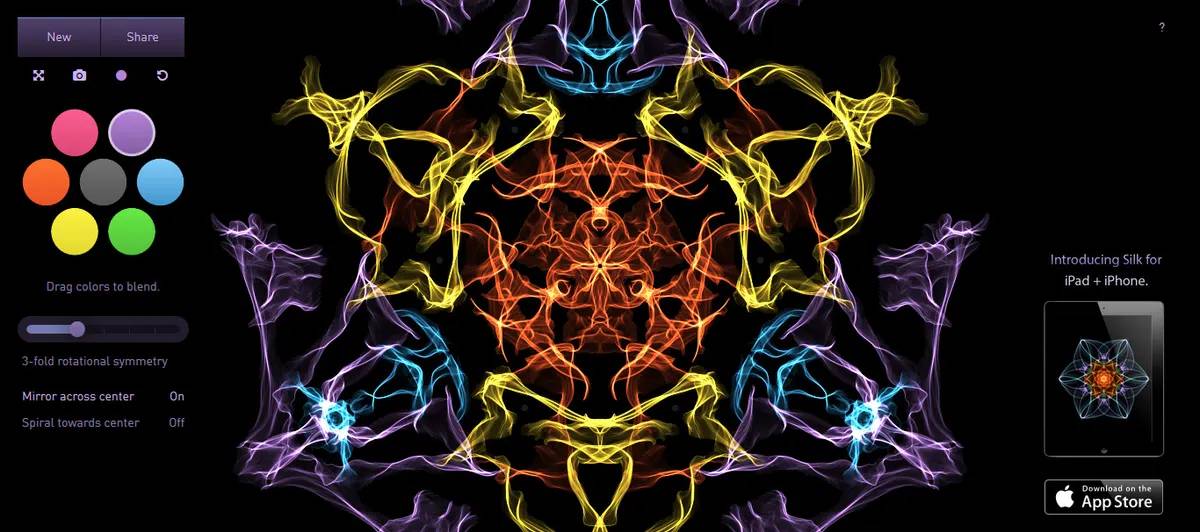
A creative technology trend is gaining momentum as digital art platforms enable users to generate complex visual experiences through simple interactions. Weavesilk represents the evolution of browser-based creative tools, demonstrating how accessible design technologies are transforming artistic expression, user engagement, and the relationship between humans and computer-generated creativity.
Weavesilk became known as an interactive digital art platform that allows users to create symmetrical, flowing artwork through intuitive drawing movements. The tool gained popularity by making generative design accessible to users without professional graphics experience.
Its approach reflects a broader movement toward lightweight creative software that combines simplicity with visually impressive results. As digital creativity expands, platforms like Weavesilk demonstrate how technology can support experimentation, inspiration, and artistic exploration.
The growth of similar creative applications highlights increasing demand for user-friendly design tools across education, entertainment, marketing, and personal expression. The rise of Weavesilk aligns with a larger transformation in digital creativity, where advanced visual technologies are becoming available to everyday users. Historically, professional design required specialized software skills, expensive tools, and extensive training. Modern creative platforms have lowered these barriers through intuitive interfaces and automated visual systems.
This trend has accelerated with the growth of generative art, artificial intelligence, and interactive design experiences. Businesses increasingly use creative technologies for branding, customer engagement, product visualization, and digital storytelling.
The development reflects a broader shift across global markets where creativity and technology are becoming increasingly connected. From AI-generated images to interactive web experiences, organizations are exploring new ways to combine automation with human imagination.
Digital creativity experts view platforms like Weavesilk as early examples of how technology can democratize artistic expression. Analysts suggest that accessible creative tools encourage experimentation by allowing users to focus on ideas rather than technical limitations.
Design professionals believe that the future of creative software will involve deeper collaboration between human creators and intelligent systems. While automation can accelerate production, experts emphasize that human direction, storytelling, and originality remain essential.
Technology researchers also highlight the educational value of interactive art platforms, particularly in helping students understand design concepts, patterns, and digital creativity. As creative technologies continue advancing, platforms that combine simplicity, accessibility, and innovation are expected to influence future digital experiences.
For businesses, the evolution of creative platforms highlights new opportunities in marketing, branding, and customer engagement. Companies can leverage accessible design technologies to produce faster visual content and improve digital communication strategies.
Investors and technology leaders are increasingly focused on creative software markets as demand grows for AI-assisted design, automation, and personalized digital experiences. Organizations may need to consider how emerging creative tools impact workflows and intellectual property management.
Educational institutions and policymakers may also explore how digital creativity platforms support innovation, technology skills development, and broader access to creative learning opportunities.
The future of digital creativity will likely be shaped by artificial intelligence, interactive design systems, and tools that make advanced creation accessible to everyone. Platforms inspired by Weavesilk demonstrate the growing importance of intuitive creative experiences. Decision-makers should monitor how businesses, educators, and designers adopt emerging technologies to transform visual communication and digital expression.
Source: AlternativeTo
Date: July 21, 2026


