



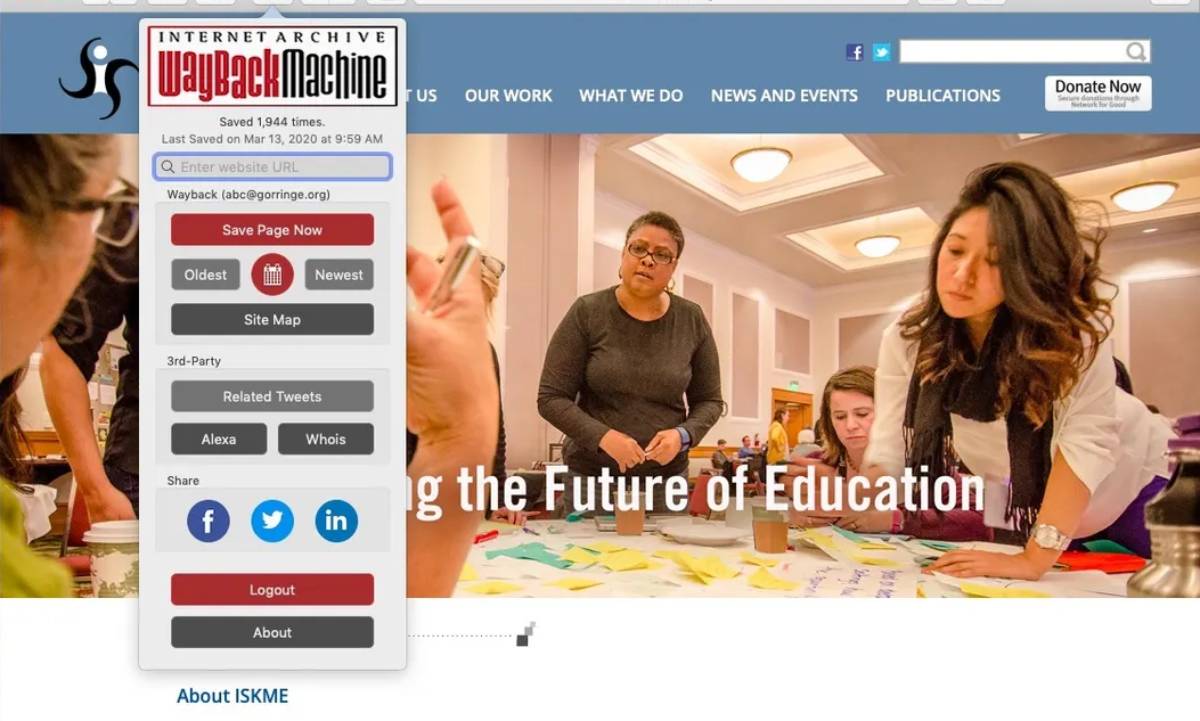
Wayback Machine continues to underscore the growing importance of digital preservation as governments, businesses, researchers, and media organizations seek reliable access to historical web content. The platform reflects broader trends in internet archiving, digital transparency, and long-term information preservation, supporting accountability and research across the global digital economy.
Wayback Machine serves as one of the world's most recognized web archiving platforms, allowing users to access historical versions of websites and online content that may have changed or disappeared over time. The service supports researchers, journalists, educators, legal professionals, and businesses by preserving snapshots of publicly accessible webpages.
Its continued relevance reflects increasing recognition of digital preservation as an essential component of internet infrastructure. As online information evolves rapidly, web archives provide valuable historical records for academic research, policy analysis, compliance investigations, competitive intelligence, and documentation of digital history across industries.
The rapid expansion of the internet has created unprecedented volumes of digital information, much of which is vulnerable to deletion, modification, or permanent loss. Web archiving initiatives have become increasingly important in preserving historical records that support research, journalism, public accountability, and cultural heritage.
Governments, universities, libraries, nonprofit organizations, and technology institutions are investing in digital preservation strategies to ensure long-term accessibility of online information. These initiatives complement broader efforts to modernize archives, improve public access to knowledge, and strengthen transparency across digital ecosystems.
As organizations increasingly rely on online communication, archived web content has also become valuable for legal proceedings, regulatory compliance, corporate research, and historical documentation. The demand for trustworthy digital archives continues growing alongside the expanding digital economy.
Digital preservation experts consider web archiving an essential public resource that supports historical research, fact verification, and institutional accountability. Analysts note that archived web content provides important context when evaluating policy decisions, corporate communications, and evolving public information.
Information governance specialists emphasize that reliable digital archives strengthen organizational transparency while supporting legal discovery, academic scholarship, and compliance investigations. Advances in cloud infrastructure and large-scale data storage continue improving the efficiency and accessibility of web preservation technologies.
Although no official corporate statements accompany the platform's listing, industry observers broadly agree that digital archiving will become increasingly significant as governments and enterprises prioritize information resilience, digital heritage preservation, and long-term accessibility of publicly available online content.
For businesses, Wayback Machine demonstrates the strategic value of preserving digital records for compliance, competitive intelligence, brand monitoring, and historical reference. Organizations may increasingly integrate archival practices into broader information governance and risk management strategies.
Investors continue recognizing digital infrastructure and data preservation technologies as important components of the expanding knowledge economy. For policymakers, growing dependence on digital archives reinforces the importance of supporting internet preservation, open access initiatives, cybersecurity, data integrity, and legal frameworks that balance transparency with privacy and intellectual property protections.
Demand for digital preservation is expected to increase as web content continues expanding across governments, businesses, and public institutions. Decision-makers should monitor developments in cloud storage, AI-assisted archiving, cybersecurity, and digital governance. As online information becomes increasingly central to economic and social activity, platforms like Wayback Machine will remain critical infrastructure supporting historical accountability and long-term digital preservation
Source: AlternativeTo
Date: July 23, 2026


