
Walmart Balances AI Growth Workforce Concerns

Walmart is reportedly emphasizing the role of artificial intelligence as a productivity-enhancing tool rather than a direct replacement for workers, even as the broader technology sector continues to experience layoffs.

July 29, 2026
|
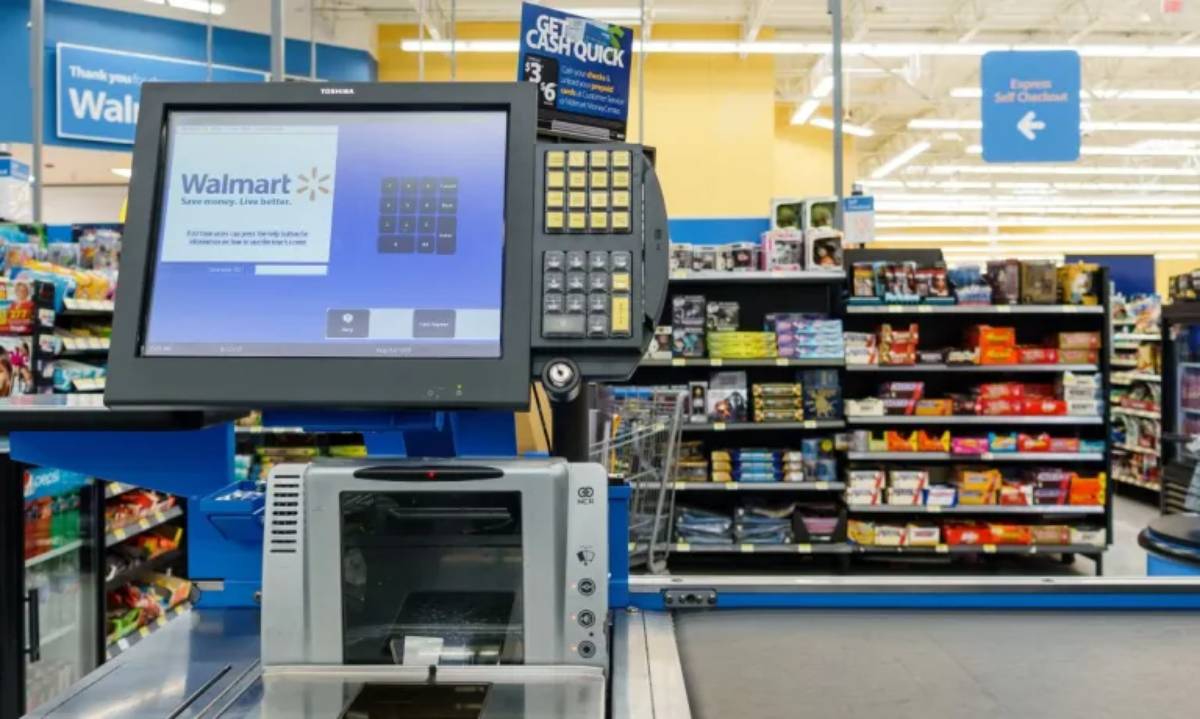
Image Source: PYMNTS

A significant debate over artificial intelligence and employment is gaining momentum as Walmart seeks to reassure employees amid growing concerns about technology-driven workforce reductions. The development highlights a broader challenge confronting global corporations: how to accelerate AI adoption and operational efficiency while maintaining workforce confidence during a period of rapid technological disruption.

Walmart is reportedly emphasizing the role of artificial intelligence as a productivity-enhancing tool rather than a direct replacement for workers, even as the broader technology sector continues to experience layoffs linked to restructuring and automation initiatives.

The retail giant has been expanding AI capabilities across multiple business functions, including supply chain management, customer service, inventory optimization, data analytics, and internal operations. Company leadership has sought to communicate that AI investments are intended to improve efficiency and employee effectiveness rather than eliminate large segments of the workforce.

The discussion emerges against a backdrop of heightened scrutiny over AI’s impact on jobs, particularly in corporate, administrative, and technology-related roles. Investors, employees, and policymakers are increasingly monitoring how large employers manage workforce transitions as AI adoption accelerates.

The development aligns with a broader trend across global markets where organizations are integrating artificial intelligence into core business operations. From finance and manufacturing to healthcare and retail, AI technologies are reshaping workflows, reducing manual tasks, and enabling new levels of automation.

Over the past two years, advancements in generative AI have intensified conversations about workforce displacement. Technology companies have announced restructuring efforts, while executives across industries have highlighted opportunities to automate routine tasks previously handled by human employees.

Retailers have been among the most active adopters of AI, using advanced algorithms to forecast demand, manage logistics networks, personalize customer experiences, and optimize pricing strategies. Walmart, one of the world's largest employers, has invested heavily in digital transformation initiatives aimed at enhancing operational performance and customer service.

Historically, major technological shifts from industrial automation to the internet revolution have created both job displacement and new employment opportunities. Today's AI transition is increasingly viewed through the same lens, with uncertainty centered on the speed and scale of workforce adaptation.

The debate has become especially relevant as governments, labor organizations, and businesses seek to balance innovation with economic stability. Industry analysts generally agree that artificial intelligence is more likely to transform jobs than eliminate entire professions in the near term. Experts argue that AI adoption often changes the nature of work, shifting employee responsibilities toward higher-value tasks while automating repetitive processes.

Workforce strategists note that companies successfully implementing AI typically invest in employee reskilling and digital training programs. They suggest organizations that prioritize workforce development are more likely to achieve sustainable productivity gains while maintaining employee engagement.

Retail industry observers view Walmart's messaging as part of a broader effort among corporate leaders to address concerns surrounding AI-driven disruption. As public scrutiny increases, companies are under pressure to articulate clear strategies for workforce transition and talent development.

Economic analysts remain divided on the long-term impact of AI. Some predict significant productivity growth and job creation in emerging sectors, while others warn that certain administrative and knowledge-based roles may face sustained pressure.

The consensus among experts is that workforce adaptation will become a defining challenge of the AI era. For business leaders, Walmart's approach underscores the importance of managing organizational change alongside technological innovation. Companies introducing AI systems may need to strengthen communication strategies, workforce planning, and employee training initiatives to maintain trust and productivity.

Investors are increasingly evaluating how effectively organizations leverage AI to improve efficiency while avoiding reputational risks associated with large-scale workforce reductions. Firms that strike the right balance may gain competitive advantages in both operational performance and talent retention.

Employees and consumers are likely to pay closer attention to corporate commitments regarding job security, retraining opportunities, and responsible AI deployment. From a policy perspective, governments may face growing pressure to expand workforce development programs, support lifelong learning initiatives, and establish frameworks that encourage innovation while mitigating labor market disruption.

The conversation around AI and employment is expected to intensify as adoption expands across industries. Decision-makers will closely monitor workforce trends, productivity gains, retraining efforts, and evolving corporate strategies.

For global executives, the central challenge is no longer whether AI will transform work, but how organizations can implement the technology responsibly while preserving workforce confidence. The companies that successfully manage that balance may emerge as the long-term winners of the AI transition.

Source: PYMNTS
Date:
June 2026

  • Featured tools
Symphony Ayasdi AI
Free

SymphonyAI Sensa is an AI-powered surveillance and financial crime detection platform that surfaces hidden risk behavior through explainable, AI-driven analytics.

#
Finance
Learn more
Upscayl AI
Free

Upscayl AI is a free, open-source AI-powered tool that enhances and upscales images to higher resolutions. It transforms blurry or low-quality visuals into sharp, detailed versions with ease.

#
Productivity
Learn more

Learn more about future of AI

Join 80,000+ Ai enthusiast getting weekly updates on exciting AI tools.
Thank you! Your submission has been received!
Oops! Something went wrong while submitting the form.

Walmart Balances AI Growth Workforce Concerns

July 29, 2026

Walmart is reportedly emphasizing the role of artificial intelligence as a productivity-enhancing tool rather than a direct replacement for workers, even as the broader technology sector continues to experience layoffs.

Image Source: PYMNTS

A significant debate over artificial intelligence and employment is gaining momentum as Walmart seeks to reassure employees amid growing concerns about technology-driven workforce reductions. The development highlights a broader challenge confronting global corporations: how to accelerate AI adoption and operational efficiency while maintaining workforce confidence during a period of rapid technological disruption.

Walmart is reportedly emphasizing the role of artificial intelligence as a productivity-enhancing tool rather than a direct replacement for workers, even as the broader technology sector continues to experience layoffs linked to restructuring and automation initiatives.

The retail giant has been expanding AI capabilities across multiple business functions, including supply chain management, customer service, inventory optimization, data analytics, and internal operations. Company leadership has sought to communicate that AI investments are intended to improve efficiency and employee effectiveness rather than eliminate large segments of the workforce.

The discussion emerges against a backdrop of heightened scrutiny over AI’s impact on jobs, particularly in corporate, administrative, and technology-related roles. Investors, employees, and policymakers are increasingly monitoring how large employers manage workforce transitions as AI adoption accelerates.

The development aligns with a broader trend across global markets where organizations are integrating artificial intelligence into core business operations. From finance and manufacturing to healthcare and retail, AI technologies are reshaping workflows, reducing manual tasks, and enabling new levels of automation.

Over the past two years, advancements in generative AI have intensified conversations about workforce displacement. Technology companies have announced restructuring efforts, while executives across industries have highlighted opportunities to automate routine tasks previously handled by human employees.

Retailers have been among the most active adopters of AI, using advanced algorithms to forecast demand, manage logistics networks, personalize customer experiences, and optimize pricing strategies. Walmart, one of the world's largest employers, has invested heavily in digital transformation initiatives aimed at enhancing operational performance and customer service.

Historically, major technological shifts from industrial automation to the internet revolution have created both job displacement and new employment opportunities. Today's AI transition is increasingly viewed through the same lens, with uncertainty centered on the speed and scale of workforce adaptation.

The debate has become especially relevant as governments, labor organizations, and businesses seek to balance innovation with economic stability. Industry analysts generally agree that artificial intelligence is more likely to transform jobs than eliminate entire professions in the near term. Experts argue that AI adoption often changes the nature of work, shifting employee responsibilities toward higher-value tasks while automating repetitive processes.

Workforce strategists note that companies successfully implementing AI typically invest in employee reskilling and digital training programs. They suggest organizations that prioritize workforce development are more likely to achieve sustainable productivity gains while maintaining employee engagement.

Retail industry observers view Walmart's messaging as part of a broader effort among corporate leaders to address concerns surrounding AI-driven disruption. As public scrutiny increases, companies are under pressure to articulate clear strategies for workforce transition and talent development.

Economic analysts remain divided on the long-term impact of AI. Some predict significant productivity growth and job creation in emerging sectors, while others warn that certain administrative and knowledge-based roles may face sustained pressure.

The consensus among experts is that workforce adaptation will become a defining challenge of the AI era. For business leaders, Walmart's approach underscores the importance of managing organizational change alongside technological innovation. Companies introducing AI systems may need to strengthen communication strategies, workforce planning, and employee training initiatives to maintain trust and productivity.

Investors are increasingly evaluating how effectively organizations leverage AI to improve efficiency while avoiding reputational risks associated with large-scale workforce reductions. Firms that strike the right balance may gain competitive advantages in both operational performance and talent retention.

Employees and consumers are likely to pay closer attention to corporate commitments regarding job security, retraining opportunities, and responsible AI deployment. From a policy perspective, governments may face growing pressure to expand workforce development programs, support lifelong learning initiatives, and establish frameworks that encourage innovation while mitigating labor market disruption.

The conversation around AI and employment is expected to intensify as adoption expands across industries. Decision-makers will closely monitor workforce trends, productivity gains, retraining efforts, and evolving corporate strategies.

For global executives, the central challenge is no longer whether AI will transform work, but how organizations can implement the technology responsibly while preserving workforce confidence. The companies that successfully manage that balance may emerge as the long-term winners of the AI transition.

Source: PYMNTS
Date:
June 2026

Promote Your Tool

Copy Embed Code

Similar Blogs

July 29, 2026
|

EmulationStation Enhances Retro Gaming Experience

EmulationStation is a front-end interface designed to organize and present video game emulation libraries through a streamlined user experience.
Read more
July 29, 2026
|

Tomoson Expands Influencer Marketing Collaboration

Tomoson operates as an influencer marketing platform designed to help brands collaborate with content creators and manage promotional campaigns.
Read more
July 29, 2026
|

ZeroBin.net Advances Secure Data Sharing

ZeroBin.net operates as a privacy-oriented platform that allows users to share encrypted information through temporary digital channels.
Read more
July 29, 2026
|

Gaia Expands Digital Knowledge Access

Gaia operates within the broader category of digital platforms focused on information discovery, organization, and knowledge accessibility.
Read more
July 29, 2026
|

MailDrop Expands Privacy Email Solutions

MailDrop operates as a temporary email service designed to help users create disposable email addresses for online registrations and digital interactions.
Read more
July 29, 2026
|

MacX YouTube Downloader Enhances Video Management

MacX YouTube Downloader is a multimedia software solution designed to support video downloading, conversion, and management from online platforms.
Read more