



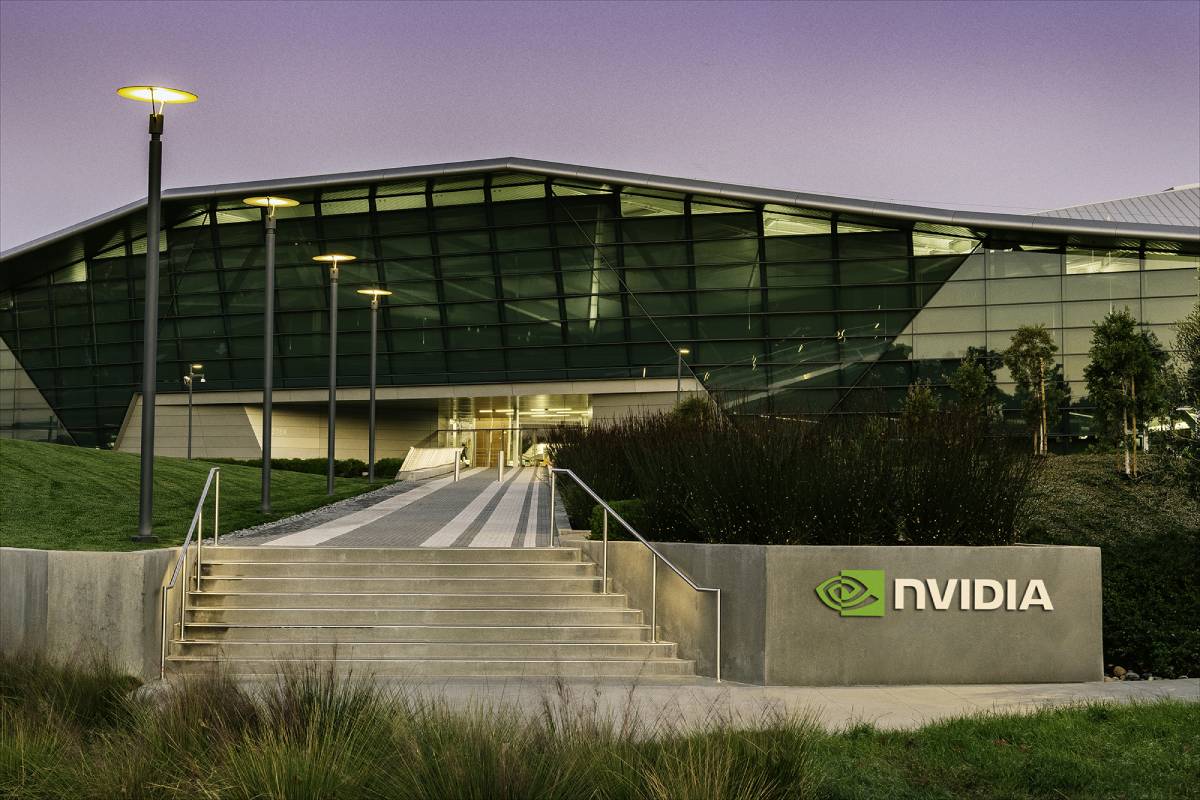
Despite Nvidia’s central role in powering the global AI boom, a growing view among analysts suggests Wall Street may be underestimating its long-term growth heading into 2026. As market expectations cool after an explosive rally, the debate is shifting toward whether Nvidia’s strategic dominance is still fully priced in.
The investment analysis argues that Nvidia’s valuation no longer reflects the full scope of its AI-driven opportunity. While concerns around slowing growth rates, rising competition, and elevated capital expenditure have weighed on sentiment, demand for Nvidia’s AI accelerators remains strong.
Hyperscalers, enterprises, and governments continue to expand spending on data centres, generative AI models, and high-performance computing areas where Nvidia maintains a commanding lead. Analysts highlight Nvidia’s integrated hardware-software ecosystem, including GPUs, networking, and AI platforms, as a durable competitive advantage. Wall Street’s focus on near-term normalization, they argue, may be masking sustained structural demand.
Nvidia has emerged as the backbone of the generative AI economy, supplying critical infrastructure for training and deploying large-scale models. Over the past two years, the company delivered extraordinary revenue and profit growth, driven by surging AI investment across technology, healthcare, finance, and defence.
However, history shows that market leaders often face periods of skepticism after rapid price appreciation. Similar patterns were seen during earlier semiconductor and cloud computing cycles, where dominant firms appeared fully valued before entering new phases of expansion.
Geopolitically, Nvidia sits at the center of global technology competition. Export controls, supply chain resilience, and national AI strategies have elevated the strategic importance of advanced chips. These forces reinforce Nvidia’s relevance but also introduce regulatory and political variables influencing investor perception.
Equity strategists tracking AI infrastructure suggest Nvidia’s long-term fundamentals remain intact. “The market may be confusing growth moderation with growth exhaustion,” noted one analyst, emphasizing that AI compute demand continues to outpace overall IT spending.
Industry experts stress that Nvidia’s strength lies beyond silicon. Its CUDA software ecosystem, developer adoption, and system-level integration create high switching costs for customers. Nvidia executives have consistently described AI as a multi-decade platform shift, driven by increasingly complex models and expanding real-world deployment.
Some analysts caution that competition from custom chips and rival accelerators will intensify. Still, many believe Nvidia’s pace of innovation and ecosystem depth make it difficult to dislodge, even as pricing and margins fluctuate.
For enterprises, Nvidia’s continued dominance underscores the importance of stable, high-performance AI infrastructure suppliers. Businesses building AI-native products are likely to remain dependent on Nvidia’s platforms for scalability and reliability.
Investors managing long-term portfolios may view the disconnect between sentiment and fundamentals as a potential opportunity albeit with volatility risk. Policymakers, meanwhile, increasingly treat Nvidia-class AI hardware as strategic assets. Decisions around export controls, domestic manufacturing incentives, and AI regulation could significantly shape Nvidia’s future market access and global footprint.
Looking ahead, markets will closely watch Nvidia’s earnings execution, data centre spending trends, and competitive developments in AI accelerators. Regulatory actions and geopolitical shifts will remain key uncertainties. While short-term volatility is likely, analysts argue that Nvidia’s role as the backbone of global AI infrastructure positions it for continued strategic relevance well into 2026 and beyond.
Source & Date
Source: The Motley Fool
Date: January 13, 2026


