



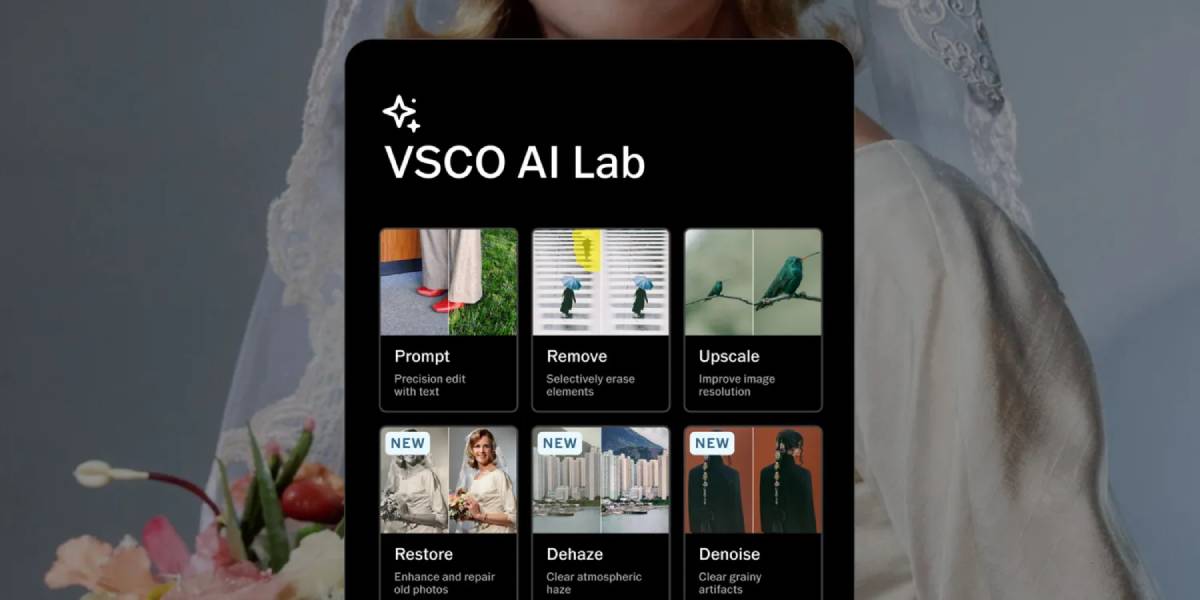
A major development unfolded in the digital creator ecosystem as VSCO expanded its AI Lab suite with new editing tools. The move signals a strategic push to integrate generative AI into visual workflows, impacting creators, marketers, and platforms competing in the fast-evolving AI-powered content creation market.
- VSCO has introduced five new AI-powered editing tools within its AI Lab suite, enhancing creative control and automation.
- The tools focus on advanced photo filters, intelligent adjustments, and streamlined editing workflows.
- The update aims to improve user experience for both professional creators and casual users.
- VSCO is positioning itself against larger platforms integrating AI-driven editing, including mobile ecosystems and social media apps.
- The rollout reflects increasing demand for intuitive, AI-assisted tools that simplify complex creative processes while maintaining artistic flexibility.
The development aligns with a broader trend across global markets where AI is transforming visual content creation. From photography to video editing, generative AI tools are enabling faster production, personalization, and enhanced creativity. Platforms such as Adobe and Canva have aggressively expanded AI capabilities, intensifying competition in the creative software space.
VSCO, traditionally known for its aesthetic-focused filters and community-driven platform, is adapting to this shift by embedding AI into its core offerings. Historically, photo editing required specialized skills and software, but AI is lowering barriers to entry, democratizing access to high-quality creative tools. At the same time, creators are demanding more control and authenticity, balancing automation with artistic intent. This evolution reflects a broader convergence of technology and creativity in the digital economy.
Industry analysts view VSCO’s expansion as part of a strategic effort to remain competitive in a rapidly evolving market. “AI is becoming a baseline expectation in creative tools, not a differentiator,” noted a digital media expert. VSCO representatives emphasize that the new tools are designed to enhance creativity rather than replace it, focusing on user control and customization.
Creative professionals highlight that while AI can accelerate workflows, maintaining a distinct visual identity remains critical. Meanwhile, market observers point out that smaller platforms must innovate quickly to compete with tech giants offering integrated ecosystems. Policy experts also note that as AI-generated and AI-enhanced content grows, questions around authenticity and disclosure will become increasingly important. The update reflects the ongoing shift toward AI-native creative platforms.
For global executives, the move underscores the growing importance of AI in creative and marketing workflows. Businesses may leverage such tools to enhance content production efficiency and brand storytelling. Investors are likely to monitor how smaller platforms like VSCO compete against larger incumbents in capturing market share. For creators, the expansion offers new capabilities but also increases competition as barriers to entry continue to fall.
Policymakers may need to address issues related to AI-generated content, including transparency and intellectual property considerations. Organizations must balance the benefits of automation with the need to maintain authenticity and trust in visual content.
VSCO is expected to continue expanding its AI capabilities, with further updates likely as user demand evolves. Decision-makers should monitor adoption trends, competitive responses, and advancements in AI-driven creativity tools. The broader market will likely see continued consolidation and innovation as platforms compete for creator engagement. Ultimately, success will depend on delivering tools that combine efficiency, creativity, and authenticity in an increasingly AI-driven landscape.
Source: 9to5Mac
Date: March 26, 2026


