
Volgistics Advances Volunteer Workforce Management

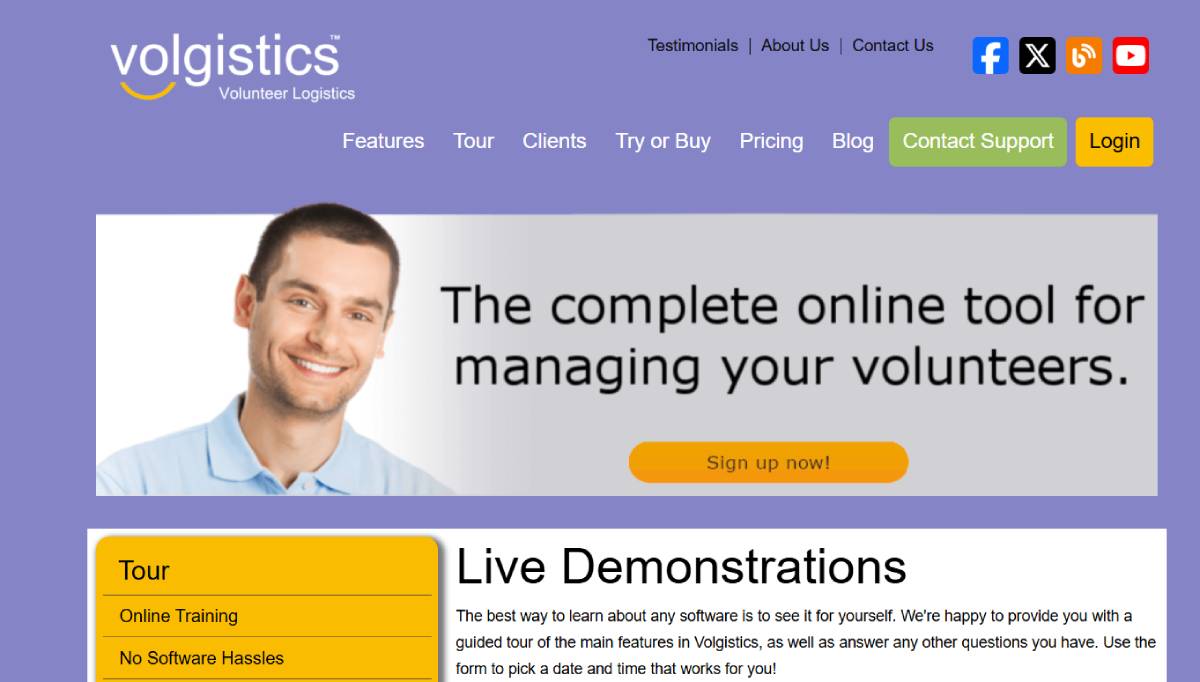
Volgistics provides organizations with tools designed to manage the operational lifecycle of volunteers. Core capabilities include volunteer scheduling, time tracking, recruitment, communication, reporting and centralized record management.

August 10, 2026
|

Volgistics is positioning volunteer workforce management as a more structured and technology-driven operational priority for organizations that depend on large volunteer networks. Its software approach brings scheduling, communication, volunteer records, reporting and administrative workflows into a centralized environment, helping nonprofits and community organizations improve coordination while reducing manual workforce-management burdens.

Volgistics provides organizations with tools designed to manage the operational lifecycle of volunteers. Core capabilities include volunteer scheduling, time tracking, recruitment, communication, reporting and centralized record management.

The platform is particularly relevant for organizations coordinating volunteers across multiple programs, locations or departments. By bringing workforce information into a single system, organizations can gain greater visibility into volunteer participation, schedules and administrative requirements.

The broader development reflects growing demand for digital workforce-management platforms beyond traditional employee environments. For volunteer-dependent organizations, technology can help standardize processes, improve accountability and provide managers with more timely information for operational decisions.

The development comes as nonprofit, cultural, healthcare, educational and community organizations face increasing pressure to operate efficiently while managing diverse volunteer populations. Unlike conventional employees, volunteers may have different availability, roles, skill sets and levels of engagement, creating additional complexity for administrators.

Historically, many organizations relied on spreadsheets, email, paper records and manual scheduling to coordinate volunteers. As volunteer programs expand, those approaches can create fragmented information and increase the administrative workload.

Digital volunteer-management systems are addressing this gap by combining scheduling, communication, reporting and recordkeeping. The shift also aligns with the wider transformation of workforce technology, where cloud-based platforms are increasingly replacing disconnected administrative processes.

For executives, the strategic value lies not only in saving administrative time but also in improving visibility across the volunteer workforce and creating more consistent management practices.

Industry perspectives on volunteer-management technology increasingly emphasize the importance of accessibility, automation and centralized information. Organizations need tools that are straightforward enough for volunteers to use while giving administrators sufficient control over schedules, records and reporting.

Volgistics represents this broader movement toward specialized workforce-management technology. Rather than adapting employee-focused systems to volunteer environments, dedicated platforms can address the distinctive requirements of volunteer programs, including flexible scheduling, volunteer availability and participation tracking.

For technology leaders, integration and scalability remain important considerations. Organizations with multiple locations or growing volunteer programs need systems capable of supporting expanding user populations without creating additional administrative complexity.

From a management perspective, better data visibility can also support strategic planning. Leaders can analyze participation patterns, identify staffing gaps and allocate volunteer resources more effectively. This makes volunteer-management software increasingly relevant to organizations seeking to professionalize their workforce operations without compromising the flexibility that volunteer programs require.

For organizations dependent on volunteers, digital management platforms can improve scheduling efficiency, communication and workforce visibility. Managers can spend less time coordinating administrative tasks and more time developing programs and supporting volunteers.

For executives and investors evaluating nonprofit technology, the opportunity extends beyond basic scheduling. Platforms that provide reporting, centralized records and operational insights can contribute to stronger governance and resource allocation.

Volunteers may benefit from clearer schedules, easier communication and more transparent participation processes. Organizations can also strengthen accountability by maintaining consistent records and standardized workflows.

From a policy perspective, digital volunteer management can support better recordkeeping and operational oversight, particularly in sectors where volunteers interact with vulnerable communities or perform regulated activities.

Volunteer-management technology is likely to become increasingly important as organizations seek greater efficiency without reducing volunteer engagement. Future development will likely center on automation, mobile accessibility, analytics, integrations and more personalized communication. Decision-makers should watch how platforms use data to improve volunteer retention, scheduling and resource allocation. The long-term competitive advantage will belong to solutions that combine administrative efficiency with a strong volunteer experience.

Source: Crozdesk
Date: August 10, 2026

  • Featured tools
Hostinger Horizons
Freemium

Hostinger Horizons is an AI-powered platform that allows users to build and deploy custom web applications without writing code. It packs hosting, domain management and backend integration into a unified tool for rapid app creation.

#
Startup Tools
#
Coding
#
Project Management
Learn more
Murf Ai
Free

Murf AI Review – Advanced AI Voice Generator for Realistic Voiceovers

#
Text to Speech
Learn more

Learn more about future of AI

Join 80,000+ Ai enthusiast getting weekly updates on exciting AI tools.
Thank you! Your submission has been received!
Oops! Something went wrong while submitting the form.

Volgistics Advances Volunteer Workforce Management

August 10, 2026

Volgistics provides organizations with tools designed to manage the operational lifecycle of volunteers. Core capabilities include volunteer scheduling, time tracking, recruitment, communication, reporting and centralized record management.

Volgistics is positioning volunteer workforce management as a more structured and technology-driven operational priority for organizations that depend on large volunteer networks. Its software approach brings scheduling, communication, volunteer records, reporting and administrative workflows into a centralized environment, helping nonprofits and community organizations improve coordination while reducing manual workforce-management burdens.

Volgistics provides organizations with tools designed to manage the operational lifecycle of volunteers. Core capabilities include volunteer scheduling, time tracking, recruitment, communication, reporting and centralized record management.

The platform is particularly relevant for organizations coordinating volunteers across multiple programs, locations or departments. By bringing workforce information into a single system, organizations can gain greater visibility into volunteer participation, schedules and administrative requirements.

The broader development reflects growing demand for digital workforce-management platforms beyond traditional employee environments. For volunteer-dependent organizations, technology can help standardize processes, improve accountability and provide managers with more timely information for operational decisions.

The development comes as nonprofit, cultural, healthcare, educational and community organizations face increasing pressure to operate efficiently while managing diverse volunteer populations. Unlike conventional employees, volunteers may have different availability, roles, skill sets and levels of engagement, creating additional complexity for administrators.

Historically, many organizations relied on spreadsheets, email, paper records and manual scheduling to coordinate volunteers. As volunteer programs expand, those approaches can create fragmented information and increase the administrative workload.

Digital volunteer-management systems are addressing this gap by combining scheduling, communication, reporting and recordkeeping. The shift also aligns with the wider transformation of workforce technology, where cloud-based platforms are increasingly replacing disconnected administrative processes.

For executives, the strategic value lies not only in saving administrative time but also in improving visibility across the volunteer workforce and creating more consistent management practices.

Industry perspectives on volunteer-management technology increasingly emphasize the importance of accessibility, automation and centralized information. Organizations need tools that are straightforward enough for volunteers to use while giving administrators sufficient control over schedules, records and reporting.

Volgistics represents this broader movement toward specialized workforce-management technology. Rather than adapting employee-focused systems to volunteer environments, dedicated platforms can address the distinctive requirements of volunteer programs, including flexible scheduling, volunteer availability and participation tracking.

For technology leaders, integration and scalability remain important considerations. Organizations with multiple locations or growing volunteer programs need systems capable of supporting expanding user populations without creating additional administrative complexity.

From a management perspective, better data visibility can also support strategic planning. Leaders can analyze participation patterns, identify staffing gaps and allocate volunteer resources more effectively. This makes volunteer-management software increasingly relevant to organizations seeking to professionalize their workforce operations without compromising the flexibility that volunteer programs require.

For organizations dependent on volunteers, digital management platforms can improve scheduling efficiency, communication and workforce visibility. Managers can spend less time coordinating administrative tasks and more time developing programs and supporting volunteers.

For executives and investors evaluating nonprofit technology, the opportunity extends beyond basic scheduling. Platforms that provide reporting, centralized records and operational insights can contribute to stronger governance and resource allocation.

Volunteers may benefit from clearer schedules, easier communication and more transparent participation processes. Organizations can also strengthen accountability by maintaining consistent records and standardized workflows.

From a policy perspective, digital volunteer management can support better recordkeeping and operational oversight, particularly in sectors where volunteers interact with vulnerable communities or perform regulated activities.

Volunteer-management technology is likely to become increasingly important as organizations seek greater efficiency without reducing volunteer engagement. Future development will likely center on automation, mobile accessibility, analytics, integrations and more personalized communication. Decision-makers should watch how platforms use data to improve volunteer retention, scheduling and resource allocation. The long-term competitive advantage will belong to solutions that combine administrative efficiency with a strong volunteer experience.

Source: Crozdesk
Date: August 10, 2026

Promote Your Tool

Copy Embed Code

Similar Blogs

August 10, 2026
|

SmartSimple Cloud Advances Grant Management Automation

SmartSimple Cloud is positioned as a configurable cloud platform designed to support grant management, corporate social responsibility, scholarship programs, awards and other complex funding workflows.
Read more
August 10, 2026
|

HaloPSA Accelerates Integrated Service Management

HaloPSA brings multiple professional services automation capabilities into a centralized environment, including service desk management, ticketing, contract management, asset tracking, project management.
Read more
August 10, 2026
|

Ministry Scheduler Pro Advances Workforce Coordination

Ministry Scheduler Pro is designed to support organizations that coordinate volunteers, employees and recurring assignments across multiple activities and locations.
Read more
August 10, 2026
|

Vendor Platforms Accelerate Enterprise Risk Automation

The three platforms represent different approaches to enterprise process management. VendorInsight focuses on vendor governance, compliance oversight, due diligence and third-party risk management, areas that are becoming increasingly important for regulated organizations.
Read more
August 10, 2026
|

BuildBook Advances Construction Project Management

BuildBook combines construction CRM, estimating, proposals and project-management capabilities within one platform. Its tools include custom estimates, branded proposals, price books, project budgets.
Read more
August 10, 2026
|

Readymode Strengthens AI Outbound Sales Operations

Readymode combines predictive dialing, inbound and outbound calling, CRM functionality, reporting and analytics within a unified platform.
Read more