



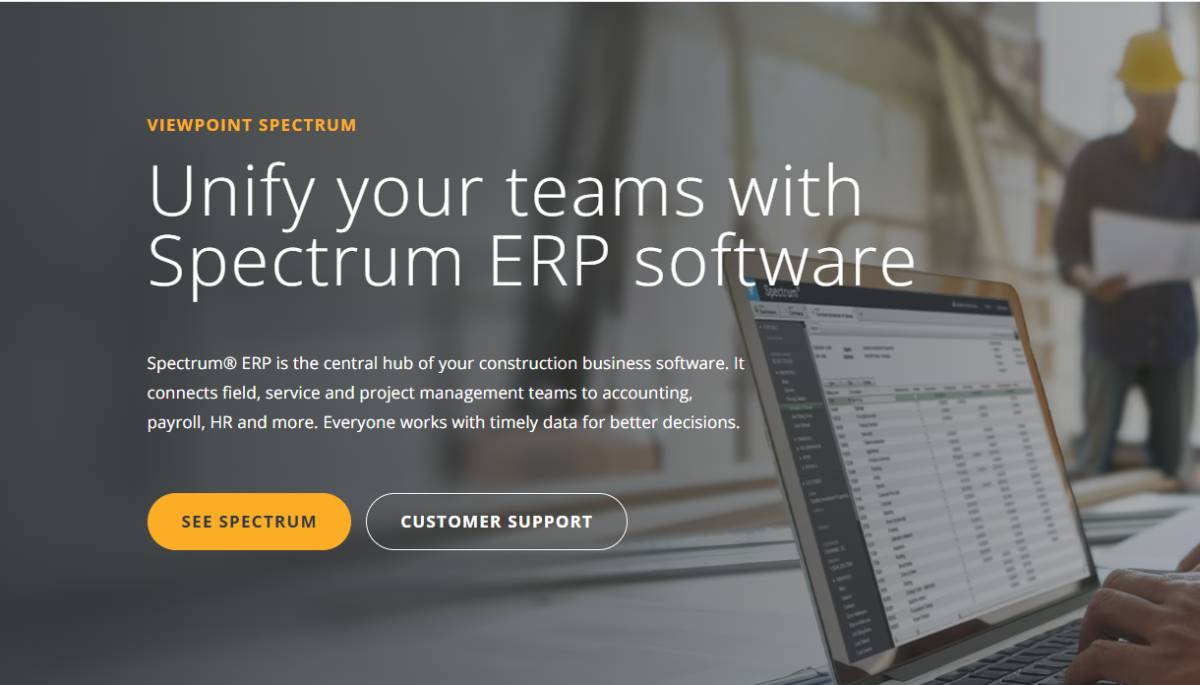
Viewpoint Spectrum highlights the growing importance of structured stakeholder feedback and decision-making tools in a business environment shaped by rapid organizational change. By helping organizations capture and interpret different perspectives, the platform reflects a broader shift toward more data-informed engagement, stronger collaboration, and greater visibility into stakeholder sentiment.
Viewpoint Spectrum is positioned around the need to organize and understand multiple viewpoints within professional environments. Its relevance extends across organizations where leaders must gather feedback, identify differing perspectives, and turn qualitative input into actionable insights.
The platform fits into a wider technology landscape focused on collaboration, employee engagement, stakeholder management, and decision intelligence. For business leaders, such capabilities can support more structured discussions around organizational priorities, workplace initiatives, customer needs, and strategic decisions.
As enterprises become increasingly distributed, tools that centralize perspectives can help reduce communication gaps and provide leadership teams with a clearer picture of organizational sentiment.
The development aligns with a broader trend across global markets where organizations are placing greater emphasis on employee voice, customer feedback, and stakeholder participation. Hybrid work, distributed teams, digital transformation, and increasingly complex decision-making processes have made traditional feedback mechanisms less sufficient for many organizations.
Executives are increasingly expected to make decisions using a combination of operational data and human insight. This has created opportunities for software platforms that can structure subjective information and make it easier to compare viewpoints.
The significance of solutions such as Viewpoint Spectrum therefore extends beyond simple feedback collection. They represent part of a larger movement toward more participatory management models, where leaders seek broader organizational input before implementing strategic or operational changes.
For companies operating across multiple teams, locations, or markets, this approach could strengthen communication while helping leadership identify areas of agreement, disagreement, and emerging concern.
From an executive perspective, the value of stakeholder-perspective technology depends largely on how effectively organizations convert feedback into decisions. Analysts examining the collaboration and employee-engagement software landscape increasingly emphasize transparency, accessibility, and actionable insights as important characteristics of modern workplace platforms.
Industry observers would likely assess Viewpoint Spectrum through its ability to simplify complex feedback environments while maintaining meaningful context around individual viewpoints. For organizations, collecting opinions is only the first step; the greater strategic value comes from identifying recurring patterns and translating them into measurable action.
Leadership teams may also evaluate whether such platforms complement existing collaboration and analytics systems without creating additional administrative complexity. The strongest solutions in this category are likely to be those that encourage participation while giving decision-makers a concise and reliable view of stakeholder priorities.
For global executives, the rise of perspective-management tools could reshape how organizations approach internal consultation, stakeholder engagement, and strategic planning. Companies may use structured feedback to identify employee concerns, test proposed initiatives, improve communication, and strengthen organizational alignment.
For investors and business analysts, the broader trend signals continued demand for technologies that connect human insight with operational decision-making. Consumers and employees may also benefit when organizations create more transparent mechanisms for capturing and responding to feedback.
From a governance perspective, businesses should consider how collected viewpoints are stored, analyzed, and used. Data privacy, transparency, access controls, and responsible interpretation will remain important as organizations increasingly digitize stakeholder engagement.
The next phase of growth in this category will likely depend on integration, usability, analytics, and the ability to demonstrate measurable business outcomes. Decision-makers should watch whether perspective-management platforms evolve toward deeper analytics and broader enterprise workflows. As organizations seek more inclusive and evidence-based decision processes, technologies capable of turning diverse viewpoints into actionable intelligence could become increasingly relevant to modern leadership.
Source: Crozdesk
Date: August 12, 2026


